Koniugacja esforzar Tryb warunkowy
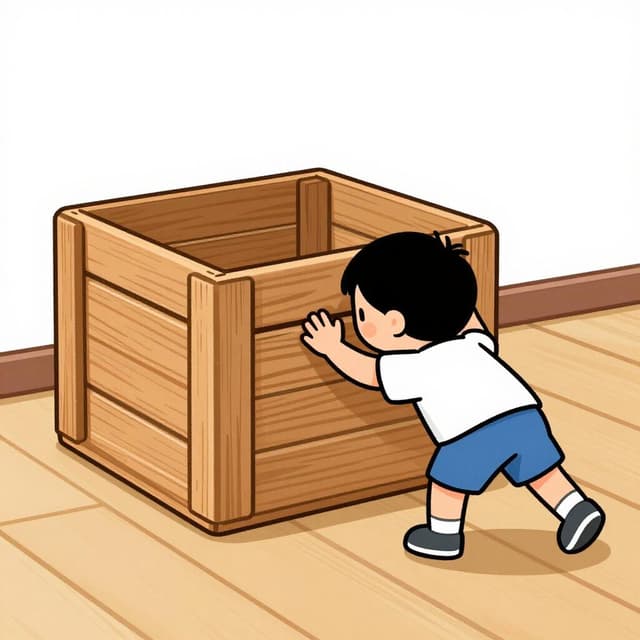
esforzar — to make an effort
The conditional is regular: esforzaría, esforzarías, esforzaría...
Formy esforzar Tryb warunkowy
Kiedy używać Tryb warunkowy
Use this to talk about what you 'would' do if the circumstances were different, or to make polite suggestions about trying harder.
Uwagi dotyczące esforzar w czasie Tryb warunkowy
Esforzar is regular in the conditional. Simply add the -ía endings to the infinitive.
Przykładowe zdania
Yo me esforzaría más si tuviera más tiempo.
I would make more of an effort if I had more time.
yo
¿Te esforzarías si el premio fuera mejor?
Would you try harder if the prize were better?
tú
Nos esforzaríamos más si nos pagaran mejor.
We would work harder if they paid us better.
nosotros
Częste błędy
Błąd: Forgeting the accent on the 'í'.
Poprawnie: esforzaría
Dlaczego: All conditional endings require an accent mark on the 'i'.
Opanuj hiszpańskie czasowniki w kontekście
Zapamiętywanie tabel to dopiero początek. Przeczytaj ponad 200 ilustrowanych i udźwiękowionych hiszpańskich historii, aby zobaczyć czasowniki takie jak 'esforzar' używane naturalnie — w czasach, których się uczysz.
Powiązane czasy
Czas teraźniejszy
yo: esfuerzo
Esforzar is a stem-changing verb (o > ue) in all forms except nosotros and vosotros.
Czas przeszły prosty
yo: esforcé
The preterite of esforzar features a spelling change (z > c) in the 'yo' form: esforcé.
Czas przeszły niedokonany
yo: esforzaba
Esforzar is completely regular in the imperfect: esforzaba, esforzabas, esforzaba...
Czas przyszły
yo: esforzaré
The future tense is regular: add endings to the full infinitive esforzar-.
Tryb Subj. teraźniejszy
yo: esfuerce
The present subjunctive follows the stem change (o > ue) and the spelling change (z > c).
Tryb Subj. przeszły niedokonany
yo: esforzara
The imperfect subjunctive uses the preterite base: esforzara, esforzaras...
Tryb rozkazujący (twierdzący)
yo: esfuerza
The imperative uses 'esfuerza' for tú and 'esfuercen' for formal commands.
Tryb rozkazujący (przeczący)
yo: no esfuerces
The negative imperative always uses the present subjunctive forms after 'no'.