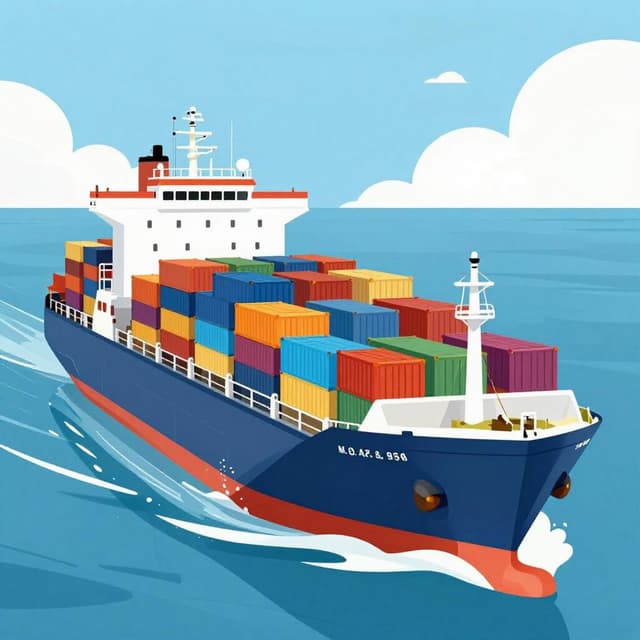
Koniugacja exportar Czas przyszły
exportar — to export
The future tense of exportar is regular: exportaré, exportarás, exportará, exportaremos, exportaréis, exportarán.
Formy exportar Czas przyszły
Kiedy używać Czas przyszły
Use the future tense to talk about actions that *will* happen. It can also express probability or conjecture. For example, 'We will export more next year' or 'He will probably export the goods by Friday.'
Uwagi dotyczące exportar w czasie Czas przyszły
Exportar is regular in the future tense. The entire infinitive 'exportar' is used as the stem, followed by the standard future endings.
Przykładowe zdania
Exportaré mis productos a Estados Unidos.
I will export my products to the United States.
yo
¿Exportarás más este trimestre?
Will you export more this quarter?
tú
La compañía exportará nuevos modelos el próximo año.
The company will export new models next year.
él/ella/usted
Exportaremos a más países en el futuro.
We will export to more countries in the future.
nosotros
Ellos exportarán las ganancias a su país de origen.
They will export the profits to their home country.
ellos/ellas/ustedes
Częste błędy
Błąd: Using the present tense instead of the future.
Poprawnie: Use 'exportaré', 'exportará', etc., for future actions, not 'exporto' or 'exporta'.
Dlaczego: The present tense refers to current or habitual actions, while the future tense specifically indicates actions yet to occur.
Błąd: Forgetting the accent on the future endings.
Poprawnie: The endings for the future tense all carry an accent: -é, -ás, -á, -emos, -éis, -án.
Dlaczego: These accents are crucial for correct pronunciation and spelling, indicating the stressed syllable.
Opanuj hiszpańskie czasowniki w kontekście
Zapamiętywanie tabel to dopiero początek. Przeczytaj ponad 200 ilustrowanych i udźwiękowionych hiszpańskich historii, aby zobaczyć czasowniki takie jak 'exportar' używane naturalnie — w czasach, których się uczysz.
Powiązane czasy
Czas teraźniejszy
yo: exporto
The present tense of exportar is regular: exporto, exportas, exporta, exportamos, exportáis, exportan.
Czas przeszły prosty
yo: exporté
The preterite of exportar is regular: exporté, exportaste, exportó, exportamos, exportasteis, exportaron.
Czas przeszły niedokonany
yo: exportaba
The imperfect of exportar is regular: exportaba, exportabas, exportaba, exportábamos, exportabais, exportaban.
Tryb warunkowy
yo: exportaría
The conditional of exportar is regular: exportaría, exportarías, exportaría, exportaríamos, exportaríais, exportarían.
Tryb Subj. teraźniejszy
yo: exporte
Use 'exporte' (yo/él/ella/Ud.) and 'exporten' (ellos/ellas/Uds.) after expressions of doubt, desire, or emotion.
Tryb Subj. przeszły niedokonany
yo: exportara
Use 'exportara' or 'exportase' for past hypothetical or uncertain actions related to exporting.
Tryb rozkazujący (twierdzący)
yo: exporta
Use 'exporta' (tú) and 'exporten' (ustedes) for direct commands with exportar.
Tryb rozkazujący (przeczący)
yo: no exportes
Use 'no exportes' (tú) and 'no exporten' (ustedes) for negative commands with exportar.