Koniugacja girar Tryb Subj. przeszły niedokonany
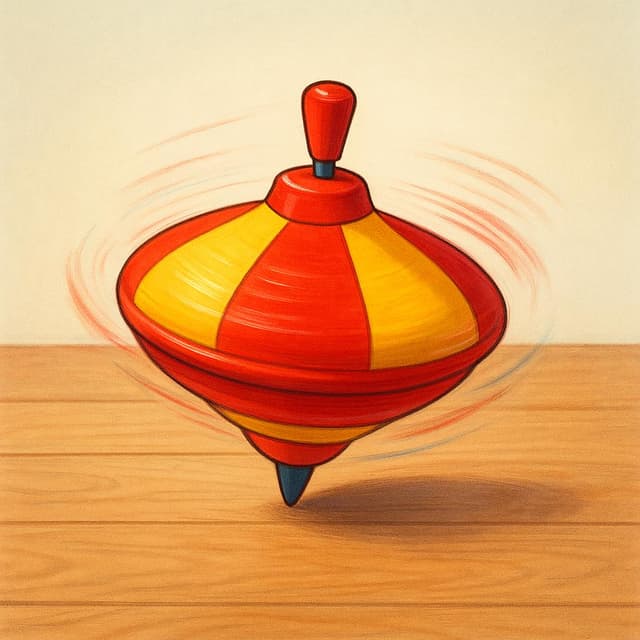
girar — to turn
The imperfect subjunctive of girar is regular: girara, giraras, girara, giráramos, girarais, giraran.
Formy girar Tryb Subj. przeszły niedokonany
Kiedy używać Tryb Subj. przeszły niedokonany
Use this in 'if' clauses (hypotheticals) or when expressing past doubts/wishes about something turning.
Uwagi dotyczące girar w czasie Tryb Subj. przeszły niedokonany
Girar follows the standard pattern for -ar verbs. It is based on the 3rd person plural preterite (giraron).
Przykładowe zdania
Si la llave girara, podríamos entrar.
If the key turned, we could get in.
él/ella/usted
Me gustaría que giraras a la derecha ahora.
I would like you to turn right now.
tú
Si giráramos aquí, llegaríamos antes.
If we turned here, we would arrive sooner.
nosotros
Częste błędy
Błąd: giraramos
Poprawnie: giráramos
Dlaczego: The 'nosotros' form always needs an accent on the vowel before the -ramos ending.
Opanuj hiszpańskie czasowniki w kontekście
Zapamiętywanie tabel to dopiero początek. Przeczytaj ponad 200 ilustrowanych i udźwiękowionych hiszpańskich historii, aby zobaczyć czasowniki takie jak 'girar' używane naturalnie — w czasach, których się uczysz.
Powiązane czasy
Czas teraźniejszy
yo: giro
The present of girar is regular: giro, giras, gira, giramos, giráis, giran.
Czas przeszły prosty
yo: giré
The preterite of girar is regular: giré, giraste, giró, giramos, girasteis, giraron.
Czas przeszły niedokonany
yo: giraba
The imperfect of girar is regular: giraba, girabas, giraba, girábamos, girabais, giraban.
Czas przyszły
yo: giraré
The future of girar is regular: giraré, girarás, girará, giraremos, giraréis, girarán.
Tryb warunkowy
yo: giraría
The conditional of girar is regular: giraría, girarías, giraría, giraríamos, giraríais, girarían.
Tryb Subj. teraźniejszy
yo: gire
The present subjunctive of girar is regular: gire, gires, gire, giremos, giréis, giren.
Tryb rozkazujący (twierdzący)
yo: gira
The affirmative imperative of girar is: gira (tú), gire (usted), giremos (nosotros), girad (vosotros), giren (ustedes).
Tryb rozkazujący (przeczący)
yo: no gires
The negative imperative of girar uses present subjunctive forms: no gires, no gire, no giremos, no giréis, no giren.