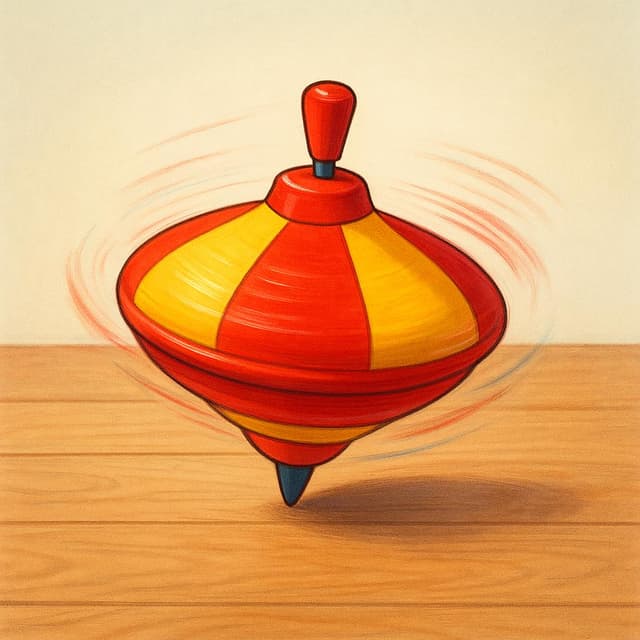
Koniugacja girar Tryb Subj. teraźniejszy
girar — to turn
The present subjunctive of girar is regular: gire, gires, gire, giremos, giréis, giren.
Formy girar Tryb Subj. teraźniejszy
Kiedy używać Tryb Subj. teraźniejszy
Use this when you want someone else to turn, or when expressing doubt/possibility about turning (e.g., 'I hope the wheel turns').
Uwagi dotyczące girar w czasie Tryb Subj. teraźniejszy
Girar is regular. Note that -ar verbs take 'e' endings in the subjunctive.
Przykładowe zdania
Espero que la situación gire a nuestro favor.
I hope the situation turns in our favor.
él/ella/usted
Dudo que ellos giren en esta calle.
I doubt they will turn on this street.
ellos/ellas/ustedes
Busco un tornillo que gire sin problemas.
I'm looking for a screw that turns without problems.
él/ella/usted
Częste błędy
Błąd: gira
Poprawnie: gire
Dlaczego: Learners often use the indicative 'gira' after 'que'. Remember to switch the 'a' to 'e' for -ar verbs in the subjunctive.
Opanuj hiszpańskie czasowniki w kontekście
Zapamiętywanie tabel to dopiero początek. Przeczytaj ponad 200 ilustrowanych i udźwiękowionych hiszpańskich historii, aby zobaczyć czasowniki takie jak 'girar' używane naturalnie — w czasach, których się uczysz.
Powiązane czasy
Czas teraźniejszy
yo: giro
The present of girar is regular: giro, giras, gira, giramos, giráis, giran.
Czas przeszły prosty
yo: giré
The preterite of girar is regular: giré, giraste, giró, giramos, girasteis, giraron.
Czas przeszły niedokonany
yo: giraba
The imperfect of girar is regular: giraba, girabas, giraba, girábamos, girabais, giraban.
Czas przyszły
yo: giraré
The future of girar is regular: giraré, girarás, girará, giraremos, giraréis, girarán.
Tryb warunkowy
yo: giraría
The conditional of girar is regular: giraría, girarías, giraría, giraríamos, giraríais, girarían.
Tryb Subj. przeszły niedokonany
yo: girara
The imperfect subjunctive of girar is regular: girara, giraras, girara, giráramos, girarais, giraran.
Tryb rozkazujący (twierdzący)
yo: gira
The affirmative imperative of girar is: gira (tú), gire (usted), giremos (nosotros), girad (vosotros), giren (ustedes).
Tryb rozkazujący (przeczący)
yo: no gires
The negative imperative of girar uses present subjunctive forms: no gires, no gire, no giremos, no giréis, no giren.