Koniugacja hervir Czas przeszły prosty
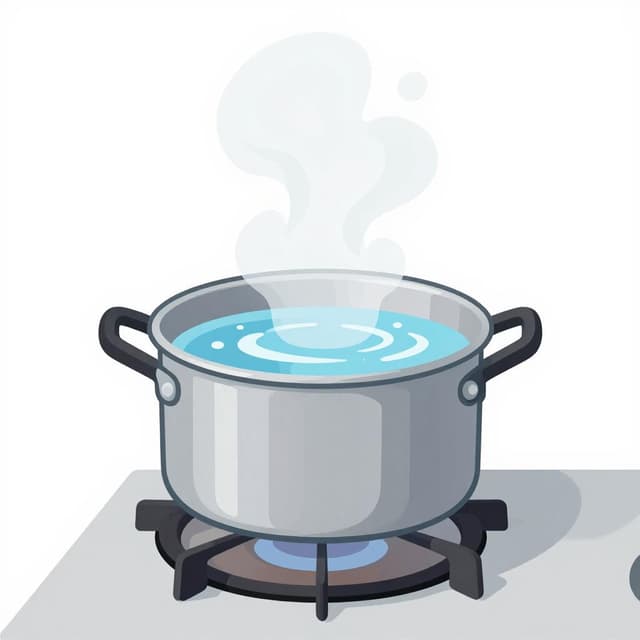
hervir — to boil
Hervir has a 'slipper' stem change (e > i) only in the third-person forms: hirvió and hirvieron.
Formy hervir Czas przeszły prosty
Kiedy używać Czas przeszły prosty
Use the preterite to state that something finished boiling at a specific moment in the past.
Uwagi dotyczące hervir w czasie Czas przeszły prosty
The stem changes from 'e' to 'i' in the third-person singular (él/ella/usted) and plural (ellos/ellas/ustedes). Other forms are regular.
Przykładowe zdania
El agua hirvió hace cinco minutos.
The water boiled five minutes ago.
él/ella/usted
Herví las verduras para la cena.
I boiled the vegetables for dinner.
yo
Las papas hirvieron demasiado tiempo.
The potatoes boiled for too long.
ellos/ellas/ustedes
Częste błędy
Błąd: hervió
Poprawnie: hirvió
Dlaczego: In the preterite, -ir verbs with a stem change must shift e > i in the third person.
Opanuj hiszpańskie czasowniki w kontekście
Zapamiętywanie tabel to dopiero początek. Przeczytaj ponad 200 ilustrowanych i udźwiękowionych hiszpańskich historii, aby zobaczyć czasowniki takie jak 'hervir' używane naturalnie — w czasach, których się uczysz.
Powiązane czasy
Czas teraźniejszy
yo: hiervo
Hervir is an e > ie stem-changer in the present (hiervo, hierves, hierve, hierven), except for nosotros and vosotros.
Czas przeszły niedokonany
yo: hervía
Hervir is completely regular in the imperfect: hervía, hervías, hervía, hervíamos, hervíais, hervían.
Czas przyszły
yo: herviré
Hervir is regular in the future; just add the endings to the infinitive: herviré, hervirás, etc.
Tryb warunkowy
yo: herviría
The conditional uses the full infinitive 'hervir' plus the endings -ía, -ías, -ía, etc.
Tryb Subj. teraźniejszy
yo: hierva
Hervir changes e > ie in most forms, but importantly shifts e > i in the nosotros and vosotros forms.
Tryb Subj. przeszły niedokonany
yo: hirviera
The imperfect subjunctive uses the 'hirvier-' stem for all forms (hirviera, hirvieras, etc.).
Tryb rozkazujący (twierdzący)
yo: hierve
Use 'hierve' for tú and 'hierva' for usted to give direct cooking instructions.
Tryb rozkazujący (przeczący)
yo: no hiervas
All negative commands for hervir are identical to the present subjunctive forms preceded by 'no'.