Koniugacja perder Czas przeszły niedokonany
perder — to lose
The imperfect of perder is regular: perdía, perdías, perdía, perdíamos, perdíais, perdían.
Formy perder Czas przeszły niedokonany
Kiedy używać Czas przeszły niedokonany
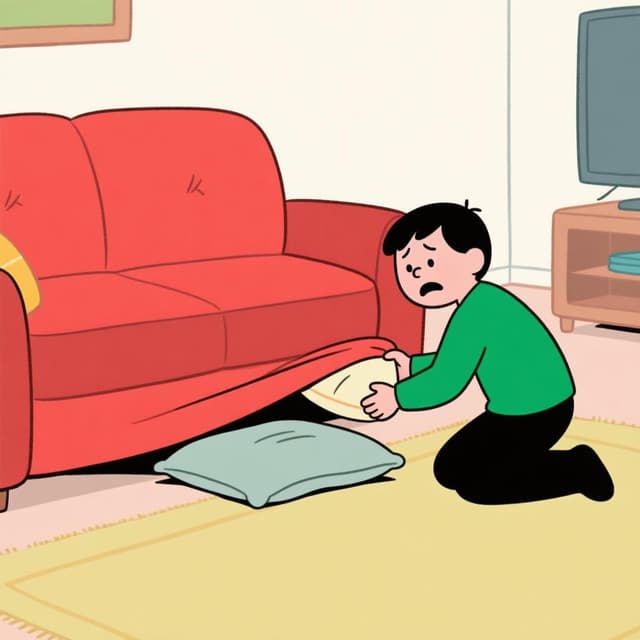
Use the imperfect for ongoing past states or habits, like 'I used to lose my toys' or 'He was losing his hair.'
Uwagi dotyczące perder w czasie Czas przeszły niedokonany
Perder follows the standard -er verb pattern in the imperfect. All forms have an accent on the 'í'.
Przykładowe zdania
De niño, yo perdía todos mis juguetes.
As a child, I used to lose all my toys.
yo
Sentíamos que perdíamos el control.
We felt like we were losing control.
nosotros
Ustedes perdían dinero cada mes.
You all were losing money every month.
ellos/ellas/ustedes
Częste błędy
Błąd: Forgetting the accent: 'perdia'.
Poprawnie: perdía
Dlaczego: All -er and -ir verbs require an accent on the 'i' in the imperfect ending.
Opanuj hiszpańskie czasowniki w kontekście
Zapamiętywanie tabel to dopiero początek. Przeczytaj ponad 200 ilustrowanych i udźwiękowionych hiszpańskich historii, aby zobaczyć czasowniki takie jak 'perder' używane naturalnie — w czasach, których się uczysz.
Powiązane czasy
Czas teraźniejszy
yo: pierdo
Perder is an e-to-ie stem-changing verb (pierdo, pierdes, pierde, pierden) except for nosotros and vosotros.
Czas przeszły prosty
yo: perdí
The preterite of perder is regular: perdí, perdiste, perdió, perdimos, perdisteis, perdieron.
Czas przyszły
yo: perderé
The future of perder is regular: perderé, perderás, perderá, perderemos, perderéis, perderán.
Tryb warunkowy
yo: perdería
The conditional of perder is regular: perdería, perderías, perdería, perderíamos, perderíais, perderían.
Tryb Subj. teraźniejszy
yo: pierda
The present subjunctive follows the e-to-ie change: pierda, pierdas, pierda, perdamos, perdáis, pierdan.
Tryb Subj. przeszły niedokonany
yo: perdiera
The imperfect subjunctive uses the 'perdier-' stem: perdiera, perdieras, perdiera, perdiéramos, perdierais, perdieran.
Tryb rozkazujący (twierdzący)
yo: pierde
Direct commands to lose or not lose: pierde (tú), pierda (usted), perdamos (nosotros), perded (vosotros), pierdan (ustedes).
Tryb rozkazujący (przeczący)
yo: no pierdas
Negative commands use 'no' + present subjunctive: no pierdas, no pierda, no perdamos, no perdáis, no pierdan.