Koniugacja poner Tryb rozkazujący (twierdzący)
poner — to put
The command for 'tú' is short and irregular: pon.
Formy poner Tryb rozkazujący (twierdzący)
Kiedy używać Tryb rozkazujący (twierdzący)
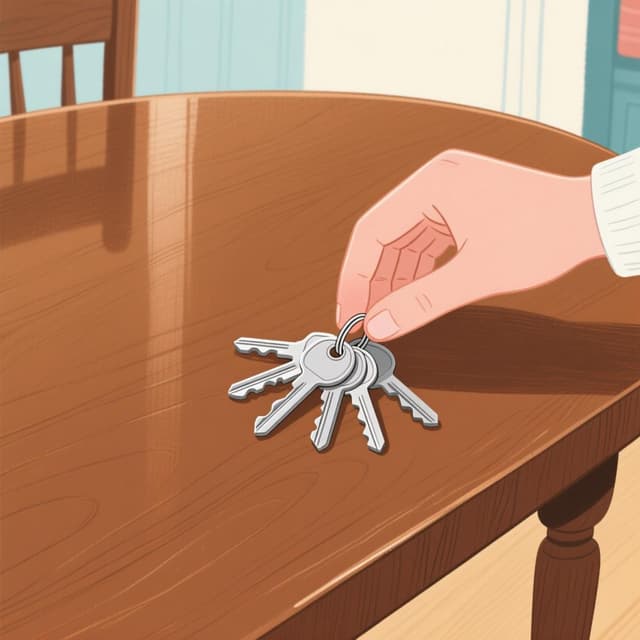
Use this to give direct orders or instructions to put something somewhere or to turn something on.
Uwagi dotyczące poner w czasie Tryb rozkazujący (twierdzący)
The informal 'tú' command is just 'pon'. All other forms (ponga, pongamos, pongan) match the present subjunctive.
Przykładowe zdania
¡Pon el libro en la estantería!
Put the book on the shelf!
tú
Ponga su firma aquí, por favor.
Put your signature here, please.
usted
Pongamos la tele para ver las noticias.
Let's put the TV on to watch the news.
nosotros
Częste błędy
Błąd: Saying 'pone' for a command.
Poprawnie: pon.
Dlaczego: While many verbs use the 3rd person present for commands, poner is one of the 'short' irregular commands.
Opanuj hiszpańskie czasowniki w kontekście
Zapamiętywanie tabel to dopiero początek. Przeczytaj ponad 200 ilustrowanych i udźwiękowionych hiszpańskich historii, aby zobaczyć czasowniki takie jak 'poner' używane naturalnie — w czasach, których się uczysz.
Powiązane czasy
Czas teraźniejszy
yo: pongo
Poner is regular in the present tense, except for the 'yo' form: pongo.
Czas przeszły prosty
yo: puse
The preterite of poner is highly irregular, using the 'pus-' stem: puse, pusiste, puso, pusimos, pusisteis, pusieron.
Czas przeszły niedokonany
yo: ponía
Poner is completely regular in the imperfect: ponía, ponías, ponía...
Czas przyszły
yo: pondré
The future of poner uses the irregular stem 'pondr-': pondré, pondrás, pondrá...
Tryb warunkowy
yo: pondría
The conditional uses the irregular stem 'pondr-': pondría, pondrías, pondría...
Tryb Subj. teraźniejszy
yo: ponga
The present subjunctive of poner follows the 'yo' form: ponga, pongas, ponga...
Tryb Subj. przeszły niedokonany
yo: pusiera
The imperfect subjunctive uses the 'pusier-' stem: pusiera, pusieras, pusiera...
Tryb rozkazujący (przeczący)
yo: no pongas
Negative commands use the present subjunctive: no pongas, no ponga, no pongamos...