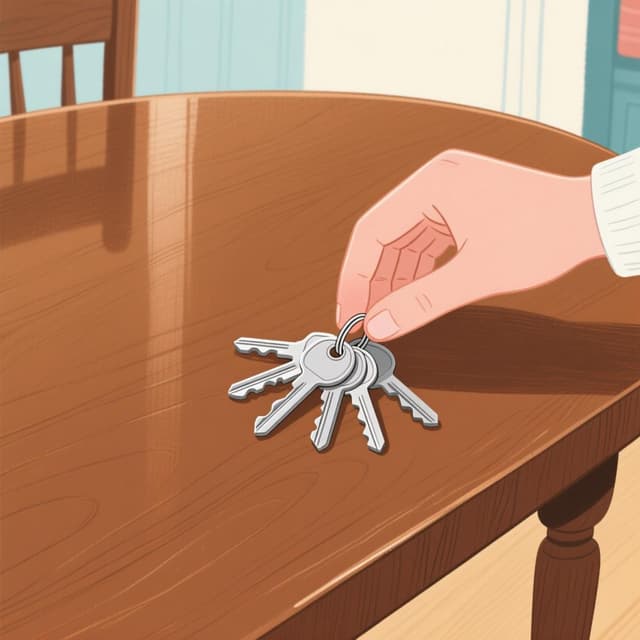
Koniugacja poner Czas przeszły niedokonany
poner — to put
Poner is completely regular in the imperfect: ponía, ponías, ponía...
Formy poner Czas przeszły niedokonany
Kiedy używać Czas przeszły niedokonany
Use this to describe where things used to be, habits of putting things somewhere, or background actions (e.g., 'I was putting on my shoes when...').
Uwagi dotyczące poner w czasie Czas przeszły niedokonany
Poner is regular in this tense. It uses the standard -er endings: -ía, -ías, -ía, -íamos, -íais, -ían.
Przykładowe zdania
De niño, yo siempre ponía los juguetes bajo la cama.
As a child, I always used to put my toys under the bed.
yo
Ella ponía la radio mientras cocinaba.
She used to put the radio on while she cooked.
él/ella/usted
Nosotros poníamos mucha atención en clase.
We used to pay (put) a lot of attention in class.
nosotros
Częste błędy
Błąd: Using 'pusiera' for descriptions.
Poprawnie: ponía.
Dlaczego: Don't confuse the imperfect indicative with the imperfect subjunctive. For 'used to put', use 'ponía'.
Opanuj hiszpańskie czasowniki w kontekście
Zapamiętywanie tabel to dopiero początek. Przeczytaj ponad 200 ilustrowanych i udźwiękowionych hiszpańskich historii, aby zobaczyć czasowniki takie jak 'poner' używane naturalnie — w czasach, których się uczysz.
Powiązane czasy
Czas teraźniejszy
yo: pongo
Poner is regular in the present tense, except for the 'yo' form: pongo.
Czas przeszły prosty
yo: puse
The preterite of poner is highly irregular, using the 'pus-' stem: puse, pusiste, puso, pusimos, pusisteis, pusieron.
Czas przyszły
yo: pondré
The future of poner uses the irregular stem 'pondr-': pondré, pondrás, pondrá...
Tryb warunkowy
yo: pondría
The conditional uses the irregular stem 'pondr-': pondría, pondrías, pondría...
Tryb Subj. teraźniejszy
yo: ponga
The present subjunctive of poner follows the 'yo' form: ponga, pongas, ponga...
Tryb Subj. przeszły niedokonany
yo: pusiera
The imperfect subjunctive uses the 'pusier-' stem: pusiera, pusieras, pusiera...
Tryb rozkazujący (twierdzący)
yo: pon
The command for 'tú' is short and irregular: pon.
Tryb rozkazujący (przeczący)
yo: no pongas
Negative commands use the present subjunctive: no pongas, no ponga, no pongamos...