Koniugacja recolectar Czas przyszły
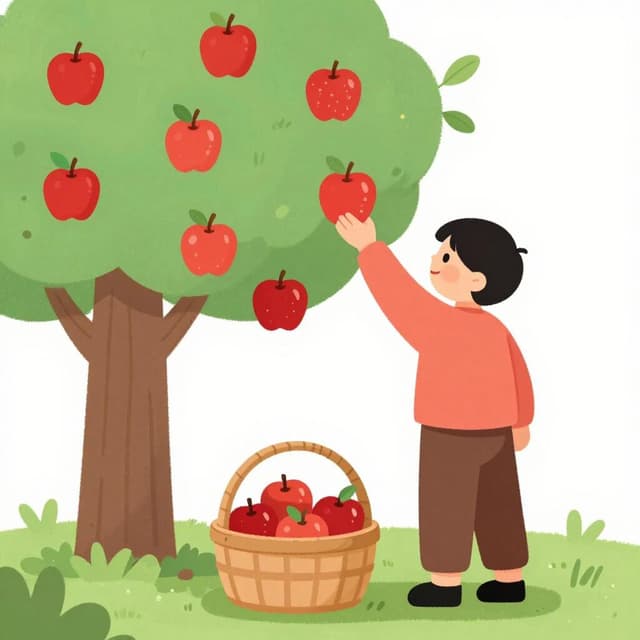
recolectar — to harvest
Future actions: 'Recolectaremos el maíz en septiembre' (We will harvest the corn in September).
Formy recolectar Czas przyszły
Kiedy używać Czas przyszły
Use the future tense to talk about actions that will happen. It can also express probability or conjecture about the present.
Uwagi dotyczące recolectar w czasie Czas przyszły
Recolectar is regular in the future tense. The future stem is the full infinitive 'recolectar', and the endings are standard.
Przykładowe zdania
Yo recolectaré las zanahorias la próxima semana.
I will harvest the carrots next week.
yo
¿Tú recolectarás las aceitunas este año?
Will you harvest the olives this year?
tú
Ella recolectará los datos para el informe mañana.
She will collect the data for the report tomorrow.
él/ella/usted
Nosotros recolectaremos todo antes de la tormenta.
We will harvest everything before the storm.
nosotros
Ellos recolectarán los impuestos en abril.
They will collect the taxes in April.
ellos/ellas/ustedes
Częste błędy
Błąd: Using the present tense instead of the future for a planned action.
Poprawnie: Use the future: 'Recolectaremos las uvas' (We will harvest the grapes).
Dlaczego: While the present can sometimes imply future, the future tense is clearer for definite future plans.
Błąd: Forgetting the accent on the 'yo' form.
Poprawnie: The 'yo' future form is 'recolectaré' with an accent on the final 'é'.
Dlaczego: The accent marks the stress and distinguishes it from other forms.
Opanuj hiszpańskie czasowniki w kontekście
Zapamiętywanie tabel to dopiero początek. Przeczytaj ponad 200 ilustrowanych i udźwiękowionych hiszpańskich historii, aby zobaczyć czasowniki takie jak 'recolectar' używane naturalnie — w czasach, których się uczysz.
Powiązane czasy
Czas teraźniejszy
yo: recolecto
Present actions or habits, like 'Yo recolecto tomates cada verano' (I harvest tomatoes every summer).
Czas przeszły prosty
yo: recolecté
Completed past actions like 'recolecté las uvas ayer' (I harvested the grapes yesterday).
Czas przeszły niedokonany
yo: recolectaba
Ongoing or habitual past actions, like 'Yo recolectaba manzanas todos los años' (I harvested apples every year).
Tryb warunkowy
yo: recolectaría
Hypotheticals ('would'), polite requests: 'Yo recolectaría más si tuviera tiempo'.
Tryb Subj. teraźniejszy
yo: recolecte
Use present subjunctive for wishes, doubts, or emotions about current/future actions: 'Espero que recolectes pronto'.
Tryb Subj. przeszły niedokonany
yo: recolectara
The imperfect subjunctive of recolectar is used for past hypotheticals or wishes, e.g., 'Si recolectara más, tendría más dinero'.
Tryb rozkazujący (twierdzący)
yo: recolecta
Use the imperative to give direct commands with recolectar, like '¡recolecta manzanas!' (harvest apples!).
Tryb rozkazujący (przeczący)
yo: no recolectes
Use negative commands with 'no' + present subjunctive, like 'no recolectes demasiado pronto'.