Koniugacja recolectar Czas przeszły niedokonany
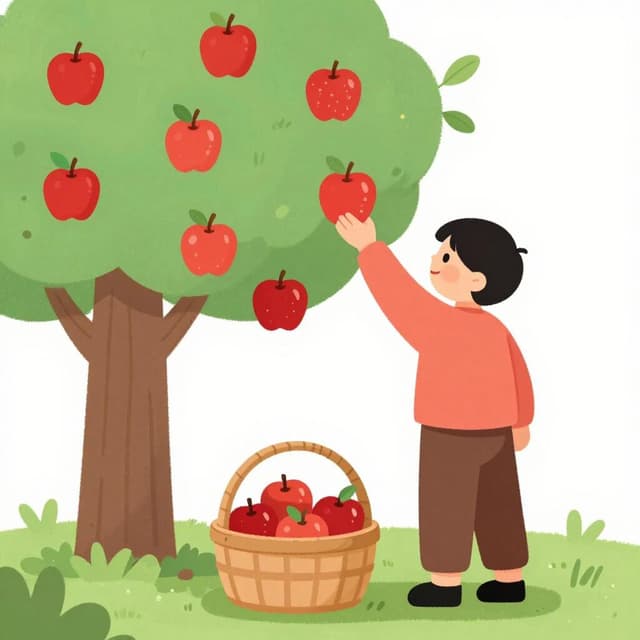
recolectar — to harvest
Ongoing or habitual past actions, like 'Yo recolectaba manzanas todos los años' (I harvested apples every year).
Formy recolectar Czas przeszły niedokonany
Kiedy używać Czas przeszły niedokonany
Use the imperfect for actions that were happening over a period of time in the past, or for repeated/habitual actions. It sets the scene or describes background information.
Uwagi dotyczące recolectar w czasie Czas przeszły niedokonany
Recolectar is regular in the imperfect tense. All conjugations follow the standard -ar verb pattern.
Przykładowe zdania
Cuando era niño, yo recolectaba conchas en la playa.
When I was a child, I used to collect shells on the beach.
yo
¿Tú recolectabas fresas en el jardín de tu abuela?
Did you use to harvest strawberries in your grandmother's garden?
tú
Él recolectaba sellos cuando era joven.
He collected stamps when he was young.
él/ella/usted
Nosotros recolectábamos uvas en esa época.
We used to harvest grapes back then.
nosotros
Ellos recolectaban bayas silvestres en el bosque.
They gathered wild berries in the forest.
ellos/ellas/ustedes
Częste błędy
Błąd: Using the preterite for habitual or ongoing past actions.
Poprawnie: Use imperfect for habits/ongoing actions: 'Recolectaba uvas cada otoño' (I harvested grapes every fall).
Dlaczego: The imperfect describes the ongoing nature or repetition, while the preterite focuses on completion.
Błąd: Confusing the 'yo' and 'él/ella/usted' forms.
Poprawnie: Both 'yo recolectaba' and 'él/ella/usted recolectaba' are the same.
Dlaczego: This is a feature of the imperfect tense for -ar verbs, not an error, but learners sometimes expect them to differ.
Opanuj hiszpańskie czasowniki w kontekście
Zapamiętywanie tabel to dopiero początek. Przeczytaj ponad 200 ilustrowanych i udźwiękowionych hiszpańskich historii, aby zobaczyć czasowniki takie jak 'recolectar' używane naturalnie — w czasach, których się uczysz.
Powiązane czasy
Czas teraźniejszy
yo: recolecto
Present actions or habits, like 'Yo recolecto tomates cada verano' (I harvest tomatoes every summer).
Czas przeszły prosty
yo: recolecté
Completed past actions like 'recolecté las uvas ayer' (I harvested the grapes yesterday).
Czas przyszły
yo: recolectaré
Future actions: 'Recolectaremos el maíz en septiembre' (We will harvest the corn in September).
Tryb warunkowy
yo: recolectaría
Hypotheticals ('would'), polite requests: 'Yo recolectaría más si tuviera tiempo'.
Tryb Subj. teraźniejszy
yo: recolecte
Use present subjunctive for wishes, doubts, or emotions about current/future actions: 'Espero que recolectes pronto'.
Tryb Subj. przeszły niedokonany
yo: recolectara
The imperfect subjunctive of recolectar is used for past hypotheticals or wishes, e.g., 'Si recolectara más, tendría más dinero'.
Tryb rozkazujący (twierdzący)
yo: recolecta
Use the imperative to give direct commands with recolectar, like '¡recolecta manzanas!' (harvest apples!).
Tryb rozkazujący (przeczący)
yo: no recolectes
Use negative commands with 'no' + present subjunctive, like 'no recolectes demasiado pronto'.