Koniugacja regar Tryb Subj. przeszły niedokonany
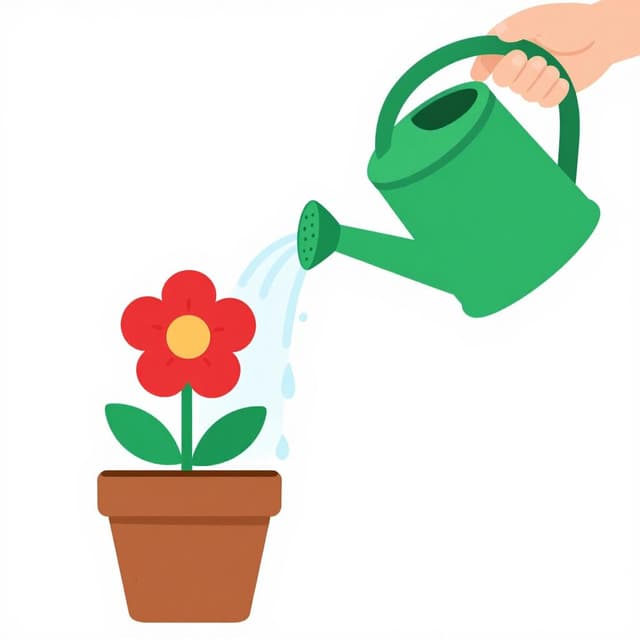
regar — to water
The imperfect subjunctive of regar is regular based on the preterite stem: regara, regaras, regara, regáramos, regarais, regaran.
Formy regar Tryb Subj. przeszły niedokonany
Kiedy używać Tryb Subj. przeszły niedokonany
Use this for hypothetical situations or past requests, like 'If I watered the plants more, they wouldn't die.'
Uwagi dotyczące regar w czasie Tryb Subj. przeszły niedokonany
This tense is formed from the 3rd person plural of the preterite (regaron). It does not have the 'ie' stem change.
Przykładowe zdania
Si regaras las plantas, no estarían secas.
If you watered the plants, they wouldn't be dry.
tú
Me gustaría que regáramos el huerto juntos.
I would like us to water the vegetable garden together.
nosotros
Si ellos regaran más, el césped estaría verde.
If they watered more, the grass would be green.
ellos/ellas/ustedes
Częste błędy
Błąd: riegara
Poprawnie: regara
Dlaczego: There is no 'ie' stem change in any form of the imperfect subjunctive.
Opanuj hiszpańskie czasowniki w kontekście
Zapamiętywanie tabel to dopiero początek. Przeczytaj ponad 200 ilustrowanych i udźwiękowionych hiszpańskich historii, aby zobaczyć czasowniki takie jak 'regar' używane naturalnie — w czasach, których się uczysz.
Powiązane czasy
Czas teraźniejszy
yo: riego
Regar changes its stem from 'e' to 'ie' in all forms except nosotros and vosotros: riego, riegas, riega, regamos, regáis, riegan.
Czas przeszły prosty
yo: regué
Regar has a spelling change in the 'yo' form (regué) to keep the sound consistent, but otherwise follows regular -ar patterns.
Czas przeszły niedokonany
yo: regaba
Regar is completely regular in the imperfect: regaba, regabas, regaba, regábamos, regabais, regaban.
Czas przyszły
yo: regaré
The future tense of regar is regular: regaré, regarás, regará, regaremos, regaréis, regarán.
Tryb warunkowy
yo: regaría
The conditional of regar is regular: regaría, regarías, regaría, regaríamos, regaríais, regarían.
Tryb Subj. teraźniejszy
yo: riegue
The present subjunctive follows the stem change (ie) and the spelling change (gu): riegue, riegues, riegue, reguemos, reguéis, rieguen.
Tryb rozkazujący (twierdzący)
yo: riega
Use 'riega' (tú) or 'riegue' (usted) to give commands to water something.
Tryb rozkazujący (przeczący)
yo: no riegues
The negative imperative uses present subjunctive forms: no riegues, no riegue, no reguemos, no reguéis, no rieguen.