Koniugacja renunciar Czas teraźniejszy
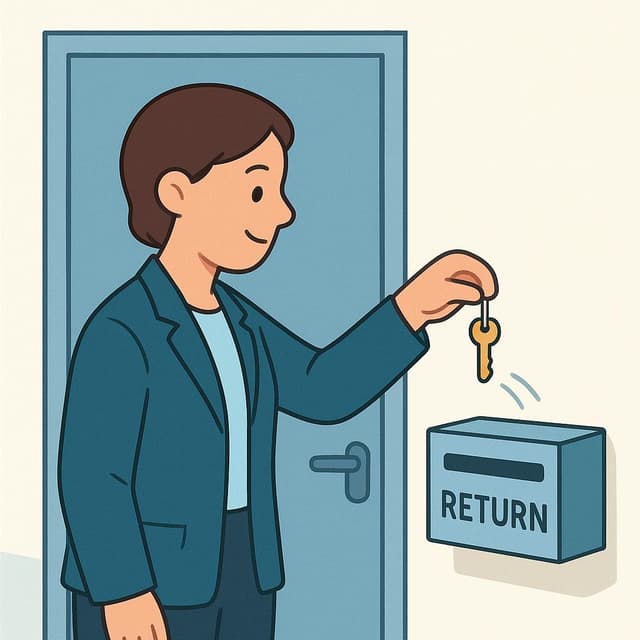
renunciar — resign
Use 'renuncio' (yo), 'renuncias' (tú), 'renuncia' (él/ella/usted), 'renunciamos' (nosotros), 'renunciáis' (vosotros), 'renuncian' (ellos/ellas/ustedes) for current actions, habits, or general truths.
Formy renunciar Czas teraźniejszy
Kiedy używać Czas teraźniejszy
The present tense is your go-to for actions happening right now ('I am resigning'), habitual actions ('He resigns every year'), or general truths ('Giving up is easy'). It's the most common tense.
Uwagi dotyczące renunciar w czasie Czas teraźniejszy
Renunciar is a regular -ar verb in the present indicative. All conjugations follow the standard pattern: stem 'renunci-' + endings -o, -as, -a, -amos, -áis, -an.
Przykładowe zdania
Yo renuncio a mi cargo por motivos personales.
I resign from my position for personal reasons.
yo
¿Tú renuncias a la competencia?
Are you withdrawing from the competition?
tú
El jugador renuncia a seguir jugando.
The player gives up playing.
él/ella/usted
Nosotros renunciamos a nuestros derechos.
We give up our rights.
nosotros
Ellos renuncian a la posibilidad de ganar.
They give up the possibility of winning.
ellos/ellas/ustedes
Częste błędy
Błąd: Using 'estar' + gerund for simple present actions.
Poprawnie: Use the simple present: 'Renuncio', not 'Estoy renunciando' unless the action is literally in progress at this exact second.
Dlaczego: Spanish uses the simple present more broadly than English uses 'I am doing'.
Błąd: Forgetting the accent in 'renunciáis' (vosotros).
Poprawnie: The 'vosotros' form is 'renunciáis', with an accent on the 'i'.
Dlaczego: The accent is needed to maintain the correct pronunciation and stress.
Opanuj hiszpańskie czasowniki w kontekście
Zapamiętywanie tabel to dopiero początek. Przeczytaj ponad 200 ilustrowanych i udźwiękowionych hiszpańskich historii, aby zobaczyć czasowniki takie jak 'renunciar' używane naturalnie — w czasach, których się uczysz.
Powiązane czasy
Czas przeszły prosty
yo: renuncié
Use 'renuncié' (yo), 'renunciaste' (tú), 'renunció' (él/ella/usted), 'renunciamos' (nosotros), 'renunciasteis' (vosotros), 'renunciaron' (ellos/ellas/ustedes) for completed past actions.
Czas przeszły niedokonany
yo: renunciaba
Use 'renunciaba' (yo/él/ella/usted), 'renunciabas' (tú), 'renunciábamos' (nosotros), 'renunciabais' (vosotros), 'renunciaban' (ellos/ellas/ustedes) for ongoing or habitual past actions.
Czas przyszły
yo: renunciaré
Use 'renunciaré' (yo), 'renunciarás' (tú), 'renunciará' (él/ella/usted), 'renunciaremos' (nosotros), 'renunciaréis' (vosotros), 'renunciarán' (ellos/ellas/ustedes) for future actions or probability.
Tryb warunkowy
yo: renunciaría
Use 'renunciaría' (yo), 'renunciarías' (tú), 'renunciaría' (él/ella/usted), 'renunciaríamos' (nosotros), 'renunciaríais' (vosotros), 'renunciarían' (ellos/ellas/ustedes) for hypotheticals, polite requests, or future-in-the-past.
Tryb Subj. teraźniejszy
yo: renuncie
Use 'renuncie' (yo/él/ella/usted), 'renunciemos' (nosotros), 'renunciéis' (vosotros), 'renuncien' (ellos/ellas/ustedes) after expressions of doubt, desire, emotion, or uncertainty.
Tryb Subj. przeszły niedokonany
yo: renunciara
Use 'renunciara' or 'renunciase' (yo/él/ella/usted/tú), 'renunciáramos' or 'renunciásemos' (nosotros), 'renunciarais' or 'renunciaseis' (vosotros), 'renunciaran' or 'renunciasen' (ellos/ellas/ustedes) for past hypotheticals or wishes.
Tryb rozkazujący (twierdzący)
yo: renuncia
Use 'renuncia' (tú), 'renuncie' (usted), 'renunciemos' (nosotros), 'renunciad' (vosotros), 'renuncien' (ustedes) for direct commands.
Tryb rozkazujący (przeczący)
yo: no renuncies
Use 'no renuncies' (tú), 'no renuncie' (usted), 'no renunciemos' (nosotros), 'no renunciéis' (vosotros), 'no renuncien' (ustedes) for negative commands.