Koniugacja sustituir Czas przeszły niedokonany
sustituir — to replace
Sustituir is regular in the imperfect: sustituía, sustituías, sustituía, sustituíamos, sustituíais, sustituían.
Formy sustituir Czas przeszły niedokonany
Kiedy używać Czas przeszły niedokonany
Use the imperfect to describe a repeated replacement in the past or a situation where someone was acting as a substitute over an undefined period.
Uwagi dotyczące sustituir w czasie Czas przeszły niedokonany
Sustituir is regular in the imperfect. Note that every single form carries an accent mark on the 'í'.
Przykładowe zdania
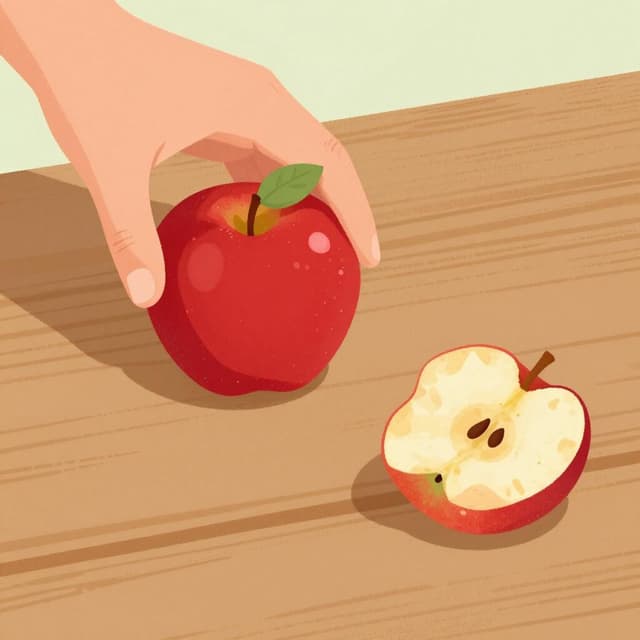
De niño, yo sustituía los dulces por fruta.
As a child, I used to replace sweets with fruit.
yo
Ellos sustituían las piezas cada seis meses.
They used to replace the parts every six months.
ellos/ellas/ustedes
Częste błędy
Błąd: Omitting the accent mark (sustituia).
Poprawnie: sustituía
Dlaczego: All -ir verbs in the imperfect require an accent on the 'i' to maintain the correct stress and syllable structure.
Opanuj hiszpańskie czasowniki w kontekście
Zapamiętywanie tabel to dopiero początek. Przeczytaj ponad 200 ilustrowanych i udźwiękowionych hiszpańskich historii, aby zobaczyć czasowniki takie jak 'sustituir' używane naturalnie — w czasach, których się uczysz.
Powiązane czasy
Czas teraźniejszy
yo: sustituyo
Sustituir is irregular in the present tense, adding a 'y' before the ending in most forms: sustituyo, sustituyes, sustituye, sustituyen.
Czas przeszły prosty
yo: sustituí
In the preterite, sustituir changes 'i' to 'y' in the third-person forms: sustituyó and sustituyeron.
Czas przyszły
yo: sustituiré
The future of sustituir is regular: just add endings to the infinitive (sustituiré, sustituirás).
Tryb warunkowy
yo: sustituiría
The conditional is regular: add -ía endings to the infinitive 'sustituir'.
Tryb Subj. teraźniejszy
yo: sustituya
The present subjunctive follows the 'yo' form of the present indicative, adding a 'y': sustituya, sustituyas, etc.
Tryb Subj. przeszły niedokonany
yo: sustituyera
The imperfect subjunctive is built from the 'sustituyeron' stem: sustituyera, sustituyeras, etc.
Tryb rozkazujący (twierdzący)
yo: sustituye
Give commands to replace things: sustituye (tú), sustituya (usted), sustituyamos (nosotros).
Tryb rozkazujący (przeczący)
yo: no sustituyas
Negative commands use the present subjunctive forms: no sustituyas, no sustituya.