Koniugacja sustituir Czas teraźniejszy
sustituir — to replace
Sustituir is irregular in the present tense, adding a 'y' before the ending in most forms: sustituyo, sustituyes, sustituye, sustituyen.
Formy sustituir Czas teraźniejszy
Kiedy używać Czas teraźniejszy
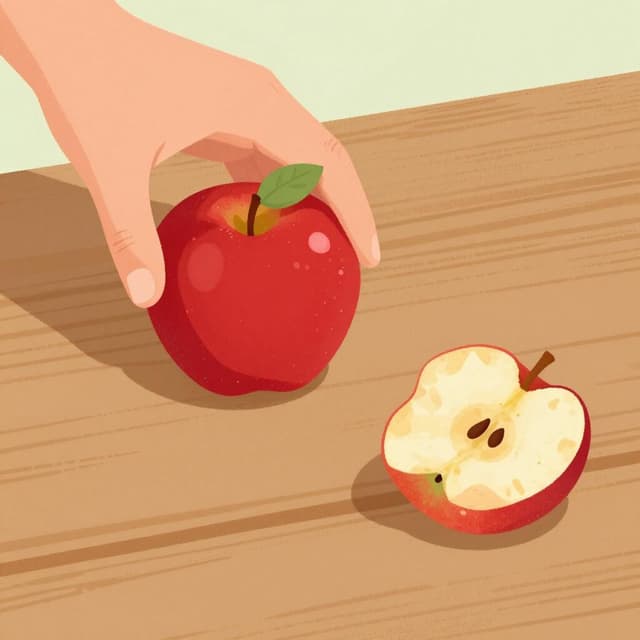
Use the present tense to talk about current replacements, like swapping a broken part or describing a habit of replacing sugar with honey.
Uwagi dotyczące sustituir w czasie Czas teraźniejszy
This is a 'y-inserting' verb. For all forms except nosotros and vosotros, you must add a 'y' after the 'u' before adding the ending.
Przykładowe zdania
Yo sustituyo el azúcar por miel en mi café.
I replace sugar with honey in my coffee.
yo
Él sustituye al director durante las vacaciones.
He replaces the director during the holidays.
él/ella/usted
¿Por qué no sustituís las bombillas viejas?
Why don't you all replace the old light bulbs?
vosotros
Częste błędy
Błąd: Writing 'sustitue' instead of 'sustituye'.
Poprawnie: sustituye
Dlaczego: Verbs ending in -uir (where the 'u' is pronounced) require a 'y' to prevent the 'u' and 'e' from blending incorrectly.
Opanuj hiszpańskie czasowniki w kontekście
Zapamiętywanie tabel to dopiero początek. Przeczytaj ponad 200 ilustrowanych i udźwiękowionych hiszpańskich historii, aby zobaczyć czasowniki takie jak 'sustituir' używane naturalnie — w czasach, których się uczysz.
Powiązane czasy
Czas przeszły prosty
yo: sustituí
In the preterite, sustituir changes 'i' to 'y' in the third-person forms: sustituyó and sustituyeron.
Czas przeszły niedokonany
yo: sustituía
Sustituir is regular in the imperfect: sustituía, sustituías, sustituía, sustituíamos, sustituíais, sustituían.
Czas przyszły
yo: sustituiré
The future of sustituir is regular: just add endings to the infinitive (sustituiré, sustituirás).
Tryb warunkowy
yo: sustituiría
The conditional is regular: add -ía endings to the infinitive 'sustituir'.
Tryb Subj. teraźniejszy
yo: sustituya
The present subjunctive follows the 'yo' form of the present indicative, adding a 'y': sustituya, sustituyas, etc.
Tryb Subj. przeszły niedokonany
yo: sustituyera
The imperfect subjunctive is built from the 'sustituyeron' stem: sustituyera, sustituyeras, etc.
Tryb rozkazujący (twierdzący)
yo: sustituye
Give commands to replace things: sustituye (tú), sustituya (usted), sustituyamos (nosotros).
Tryb rozkazujący (przeczący)
yo: no sustituyas
Negative commands use the present subjunctive forms: no sustituyas, no sustituya.