Koniugacja tejer Tryb Subj. przeszły niedokonany
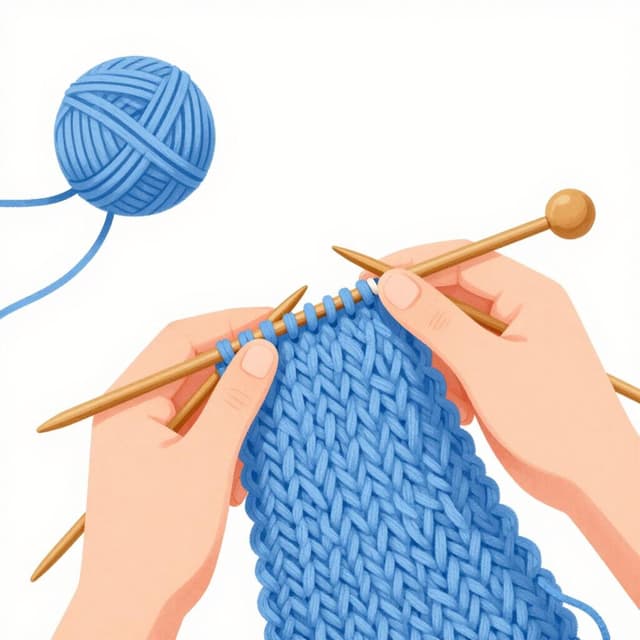
tejer — to knit
Use 'tejiera'/'tejiese' (yo/él/ella/usted), 'tejieras'/'tejieses' (tú), 'tejiéramos'/'tejiésemos' (nosotros), 'tejieran'/'tejiesen' (ellos/ellas/ustedes), 'tejierais'/'tejieseis' (vosotros) for past hypotheticals or wishes.
Formy tejer Tryb Subj. przeszły niedokonany
Kiedy używać Tryb Subj. przeszły niedokonany
This tense is for hypothetical situations in the past, wishes, or polite requests. For example, 'Si supiera tejer, haría mi propia ropa' (If I knew how to knit, I would make my own clothes) or 'Me gustaría que tejieras esto para mí' (I would like you to knit this for me).
Uwagi dotyczące tejer w czasie Tryb Subj. przeszły niedokonany
Tejer is regular in the imperfect subjunctive. Both the -ra and -se forms exist, with the -ra form being more common in everyday speech.
Przykładowe zdania
Si yo tejiera más rápido, terminaría la bufanda hoy.
If I knitted faster, I would finish the scarf today.
yo
Me pediste que tejiera una manta para el bebé.
You asked me to knit a blanket for the baby.
yo
Ellos tejieran mejor si usaran agujas más grandes.
They would knit better if they used bigger needles.
ellos/ellas/ustedes
Ojalá tejieseis un gorro para cada uno.
I wish you all would knit a hat for each one of you.
vosotros
Si usted tejiera con más calma, no se le enredaría la lana.
If you knitted more calmly, the yarn wouldn't get tangled.
Częste błędy
Błąd: Using the imperfect indicative 'tejía' instead of the imperfect subjunctive.
Poprawnie: Use 'tejiera' or 'tejiese' in hypothetical or wish contexts.
Dlaczego: The imperfect indicative describes past actions, while the imperfect subjunctive is for unreal or hypothetical situations.
Błąd: Confusing the yo and él/ella/usted forms.
Poprawnie: Both 'tejiera' and 'tejiese' are used for yo, él, ella, and usted.
Dlaczego: The context usually clarifies who is performing the action.
Opanuj hiszpańskie czasowniki w kontekście
Zapamiętywanie tabel to dopiero początek. Przeczytaj ponad 200 ilustrowanych i udźwiękowionych hiszpańskich historii, aby zobaczyć czasowniki takie jak 'tejer' używane naturalnie — w czasach, których się uczysz.
Powiązane czasy
Czas teraźniejszy
yo: tejo
Use 'tejo', 'tejes', 'teje', 'tejemos', 'tejéis', 'tejen' for knitting happening now, habitually, or as a general truth.
Czas przeszły prosty
yo: tejí
Use 'tejí', 'tejiste', 'tejió', 'tejimos', 'tejisteis', 'tejieron' for completed knitting actions in the past.
Czas przeszły niedokonany
yo: tejía
Use 'tejía', 'tejías', 'tejía', 'tejíamos', 'tejíais', 'tejían' for ongoing or habitual knitting in the past.
Czas przyszły
yo: tejeré
Use 'tejeré', 'tejerás', 'tejerá', 'tejeremos', 'tejeréis', 'tejerán' for future knitting actions or probability.
Tryb warunkowy
yo: tejería
Use 'tejería', 'tejerías', 'tejería', 'tejeríamos', 'tejeríais', 'tejerían' for hypotheticals ('would'), polite requests, or future-in-the-past.
Tryb Subj. teraźniejszy
yo: teja
Use 'teja' (yo/él/ella/usted), 'tejas' (tú), 'tejamos' (nosotros), 'tejan' (ellos/ellas/ustedes), 'tejáis' (vosotros) after expressions of doubt, desire, emotion, or uncertainty.
Tryb rozkazujący (twierdzący)
yo: teje
Use 'teje' (tú), 'teja' (usted), 'tejamos' (nosotros), 'tejan' (ustedes), 'tejed' (vosotros) for direct commands.
Tryb rozkazujący (przeczący)
yo: no tejas
Use 'no tejas' (tú), 'no teja' (usted), 'no tejamos' (nosotros), 'no tejan' (ustedes), 'no tejáis' (vosotros) for negative commands.