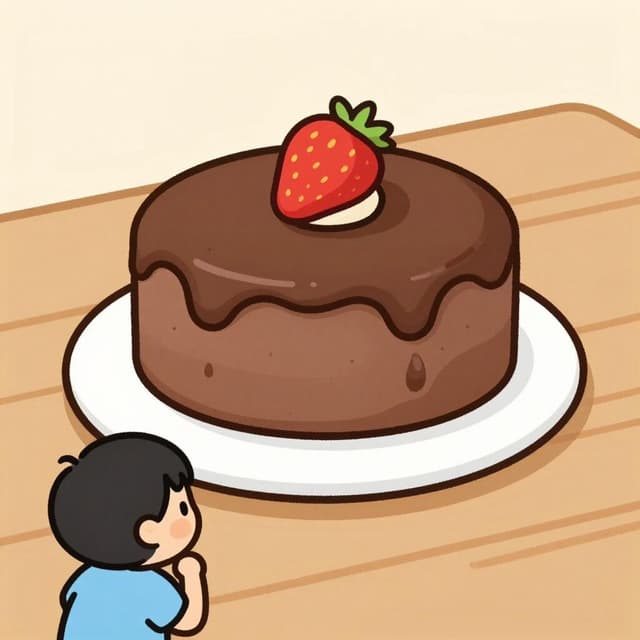
Koniugacja tentar Czas przeszły niedokonany
tentar — to tempt
The imperfect of tentar is regular: tentaba, tentabas, tentaba, tentábamos, tentabais, tentaban.
Formy tentar Czas przeszły niedokonany
Kiedy używać Czas przeszły niedokonany
Use the imperfect to describe an ongoing temptation in the past or to describe how something used to feel to the touch habitually.
Uwagi dotyczące tentar w czasie Czas przeszły niedokonany
Tentar is a regular -ar verb in the imperfect. No stem changes occur here.
Przykładowe zdania
De niño, siempre tentaba los límites de mis padres.
As a child, I was always testing my parents' limits.
yo
La idea de viajar nos tentaba cada verano.
The idea of traveling tempted us every summer.
él/ella/usted
Ustedes tentaban la superficie antes de caminar.
You all used to feel the surface before walking.
ellos/ellas/ustedes
Częste błędy
Błąd: Forgetting the accent on 'tentábamos'.
Poprawnie: The correct form is 'tentábamos'.
Dlaczego: The nosotros form of all -ar verbs in the imperfect requires an accent on the antepenultimate syllable.
Opanuj hiszpańskie czasowniki w kontekście
Zapamiętywanie tabel to dopiero początek. Przeczytaj ponad 200 ilustrowanych i udźwiękowionych hiszpańskich historii, aby zobaczyć czasowniki takie jak 'tentar' używane naturalnie — w czasach, których się uczysz.
Powiązane czasy
Czas teraźniejszy
yo: tiento
The present tense of tentar features an e-to-ie stem change in all forms except nosotros and vosotros.
Czas przeszły prosty
yo: tenté
The preterite of tentar is completely regular: tenté, tentaste, tentó, tentamos, tentasteis, tentaron.
Czas przyszły
yo: tentaré
The future tense is regular; simply add the endings to the infinitive: tentaré, tentarás, tentará...
Tryb warunkowy
yo: tentaría
The conditional is regular: tentaría, tentarías, tentaría, tentaríamos, tentaríais, tentarían.
Tryb Subj. teraźniejszy
yo: tiente
The present subjunctive of tentar follows the e-to-ie stem change: tiente, tientes, tiente, tentemos, tentéis, tienten.
Tryb Subj. przeszły niedokonany
yo: tentara
The imperfect subjunctive is regular: tentara, tentaras, tentara, tentáramos, tentarais, tentaran.
Tryb rozkazujący (twierdzący)
yo: tienta
The imperative uses 'tienta' (tú) and 'tiente' (usted), following the stem change.
Tryb rozkazujący (przeczący)
yo: no tientes
The negative imperative uses the present subjunctive forms: no tientes, no tiente, no tentemos...