Koniugacja tentar Tryb rozkazujący (przeczący)
tentar — to tempt
The negative imperative uses the present subjunctive forms: no tientes, no tiente, no tentemos...
Formy tentar Tryb rozkazujący (przeczący)
Kiedy używać Tryb rozkazujący (przeczący)
Use this to tell someone not to tempt fate or not to touch/feel something.
Uwagi dotyczące tentar w czasie Tryb rozkazujący (przeczący)
Matches the present subjunctive exactly, including the 'ie' stem change in all forms except nosotros and vosotros.
Przykładowe zdania
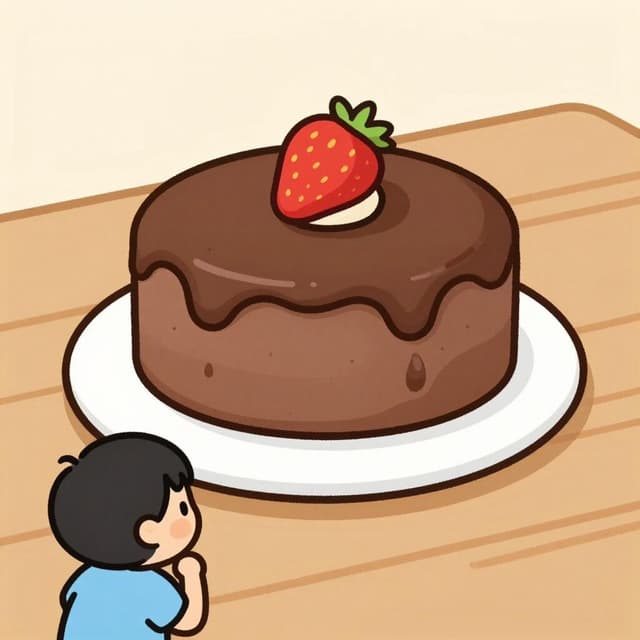
No me tientes con ese pastel.
Don't tempt me with that cake.
tú
No tentemos a la suerte hoy.
Let's not tempt fate today.
nosotros
No tienten al perro mientras come.
Don't provoke (tempt) the dog while he eats.
Częste błędy
Błąd: Saying 'no tienta' for the negative tú command.
Poprawnie: The correct form is 'no tientes'.
Dlaczego: Negative commands must use the subjunctive ending (-es for -ar verbs), not the indicative ending.
Opanuj hiszpańskie czasowniki w kontekście
Zapamiętywanie tabel to dopiero początek. Przeczytaj ponad 200 ilustrowanych i udźwiękowionych hiszpańskich historii, aby zobaczyć czasowniki takie jak 'tentar' używane naturalnie — w czasach, których się uczysz.
Powiązane czasy
Czas teraźniejszy
yo: tiento
The present tense of tentar features an e-to-ie stem change in all forms except nosotros and vosotros.
Czas przeszły prosty
yo: tenté
The preterite of tentar is completely regular: tenté, tentaste, tentó, tentamos, tentasteis, tentaron.
Czas przeszły niedokonany
yo: tentaba
The imperfect of tentar is regular: tentaba, tentabas, tentaba, tentábamos, tentabais, tentaban.
Czas przyszły
yo: tentaré
The future tense is regular; simply add the endings to the infinitive: tentaré, tentarás, tentará...
Tryb warunkowy
yo: tentaría
The conditional is regular: tentaría, tentarías, tentaría, tentaríamos, tentaríais, tentarían.
Tryb Subj. teraźniejszy
yo: tiente
The present subjunctive of tentar follows the e-to-ie stem change: tiente, tientes, tiente, tentemos, tentéis, tienten.
Tryb Subj. przeszły niedokonany
yo: tentara
The imperfect subjunctive is regular: tentara, tentaras, tentara, tentáramos, tentarais, tentaran.
Tryb rozkazujący (twierdzący)
yo: tienta
The imperative uses 'tienta' (tú) and 'tiente' (usted), following the stem change.