Koniugacja untar Czas przeszły niedokonany
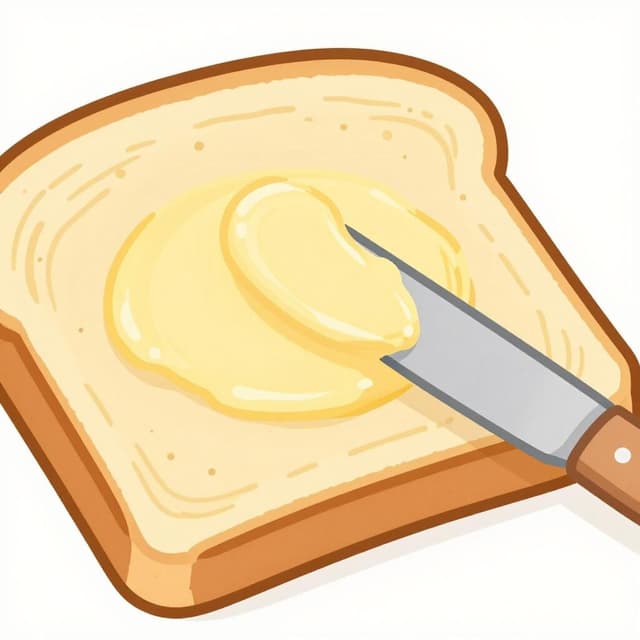
untar — to spread
Use 'untaba' for ongoing or habitual past spreading.
Formy untar Czas przeszły niedokonany
Kiedy używać Czas przeszły niedokonany
The imperfect 'untaba' describes actions of spreading that were happening continuously in the past, or things that were done habitually. It sets the scene or describes background actions.
Uwagi dotyczące untar w czasie Czas przeszły niedokonany
Untar is regular in the imperfect indicative.
Przykładowe zdania
Cuando era niño, yo untaba azúcar en el pan.
When I was a child, I used to spread sugar on bread.
yo
Tú untabas la mayonesa en todos los sándwiches.
You were spreading mayonnaise on all the sandwiches.
tú
Mientras mi madre cocinaba, ella untaba aceite en el molde.
While my mother was cooking, she was spreading oil in the pan.
él/ella/usted
Ellos untaban mantequilla mientras esperaban.
They were spreading butter while they waited.
ellos/ellas/ustedes
Częste błędy
Błąd: Using the preterite 'untó' for a habitual past action.
Poprawnie: For past habits or ongoing actions, use the imperfect: 'untaba'.
Dlaczego: The preterite describes completed events, while the imperfect describes the background or ongoing nature of past actions.
Opanuj hiszpańskie czasowniki w kontekście
Zapamiętywanie tabel to dopiero początek. Przeczytaj ponad 200 ilustrowanych i udźwiękowionych hiszpańskich historii, aby zobaczyć czasowniki takie jak 'untar' używane naturalnie — w czasach, których się uczysz.
Powiązane czasy
Czas teraźniejszy
yo: unto
Use 'unto', 'untas', 'unta' for actions of spreading happening now or habitually.
Czas przeszły prosty
yo: unté
Use 'unté', 'untaste', 'untó' for completed actions of spreading in the past.
Czas przyszły
yo: untaré
Use 'untaré', 'untarás', 'untará' for actions that will happen.
Tryb warunkowy
yo: untaría
Use 'untaría' for 'would spread' - hypotheticals and polite requests.
Tryb Subj. teraźniejszy
yo: unte
Use 'unte' for wishes, doubts, or recommendations about spreading.
Tryb Subj. przeszły niedokonany
yo: untara
Use 'untara' or 'untase' for past hypothetical or uncertain 'spreading' situations.
Tryb rozkazujący (twierdzący)
yo: unta
Use 'unta' for direct commands to 'tú', like 'spread the jam!'
Tryb rozkazujący (przeczący)
yo: no untes
Use 'no untes' for negative commands to 'tú', like 'don't spread that!'