Koniugacja untar Tryb Subj. przeszły niedokonany
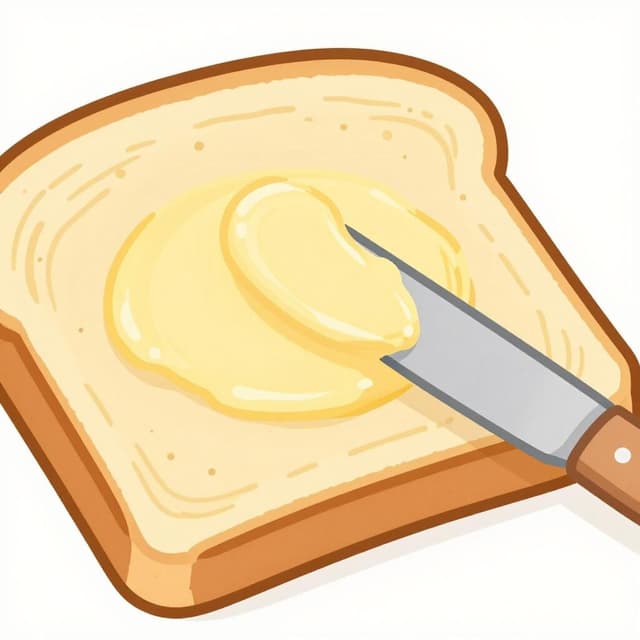
untar — to spread
Use 'untara' or 'untase' for past hypothetical or uncertain 'spreading' situations.
Formy untar Tryb Subj. przeszły niedokonany
Kiedy używać Tryb Subj. przeszły niedokonany
The imperfect subjunctive 'untara' (or 'untase') is for talking about spreading hypothetically in the past, or expressing wishes and doubts about past actions related to spreading.
Uwagi dotyczące untar w czasie Tryb Subj. przeszły niedokonany
Untar is regular in the imperfect subjunctive, with both '-ra' and '-se' forms being correct.
Przykładowe zdania
Si yo untara más mantequilla, el pan estaría más rico.
If I spread more butter, the bread would be tastier.
yo
Me gustaría que tú untaras la crema en la cara.
I would like you to spread the cream on your face.
tú
Dudaba que ellos untaran suficiente queso.
I doubted they would spread enough cheese.
ellos/ellas/ustedes
Częste błędy
Błąd: Confusing imperfect subjunctive with preterite or imperfect indicative.
Poprawnie: Use 'untara' or 'untase' for hypothetical or uncertain past situations, not for facts.
Dlaczego: Indicative tenses describe reality, while subjunctive handles doubt, desire, and hypotheticals.
Opanuj hiszpańskie czasowniki w kontekście
Zapamiętywanie tabel to dopiero początek. Przeczytaj ponad 200 ilustrowanych i udźwiękowionych hiszpańskich historii, aby zobaczyć czasowniki takie jak 'untar' używane naturalnie — w czasach, których się uczysz.
Powiązane czasy
Czas teraźniejszy
yo: unto
Use 'unto', 'untas', 'unta' for actions of spreading happening now or habitually.
Czas przeszły prosty
yo: unté
Use 'unté', 'untaste', 'untó' for completed actions of spreading in the past.
Czas przeszły niedokonany
yo: untaba
Use 'untaba' for ongoing or habitual past spreading.
Czas przyszły
yo: untaré
Use 'untaré', 'untarás', 'untará' for actions that will happen.
Tryb warunkowy
yo: untaría
Use 'untaría' for 'would spread' - hypotheticals and polite requests.
Tryb Subj. teraźniejszy
yo: unte
Use 'unte' for wishes, doubts, or recommendations about spreading.
Tryb rozkazujący (twierdzący)
yo: unta
Use 'unta' for direct commands to 'tú', like 'spread the jam!'
Tryb rozkazujący (przeczący)
yo: no untes
Use 'no untes' for negative commands to 'tú', like 'don't spread that!'