The Bell That Rings When No One Pulls the Rope
Toca cualquier palabra para obtener una traducción al instante. Usa los botones de reproducción para escuchar el relato mientras lees.
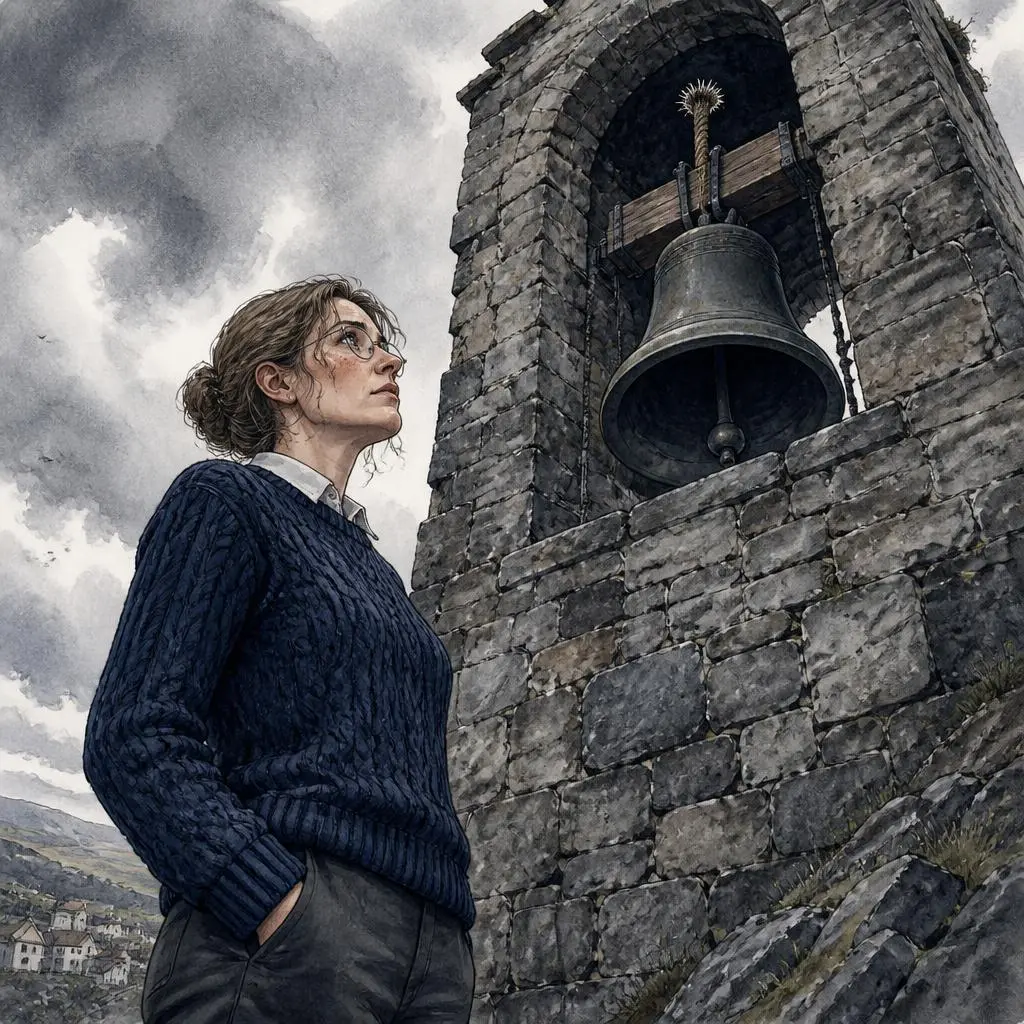
Everyone in Crestfall knew the rule about the bell.
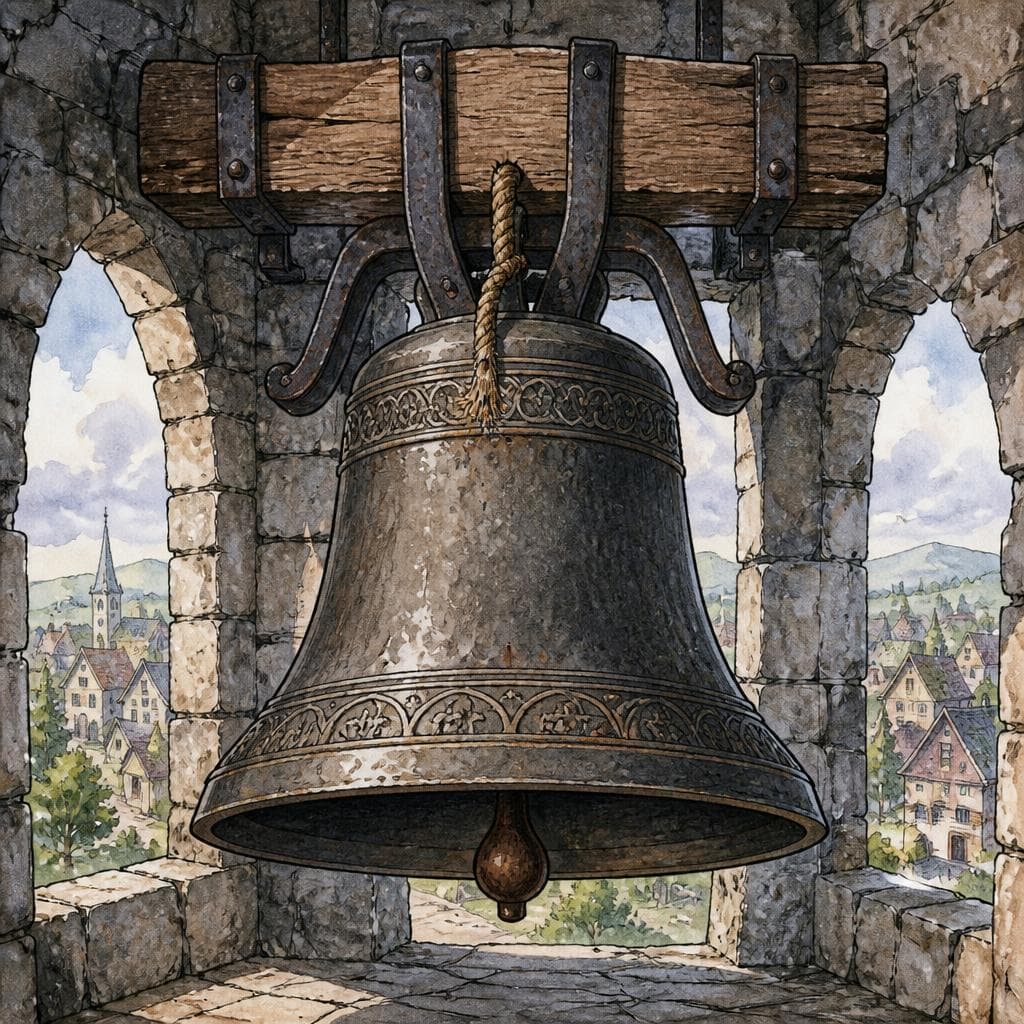
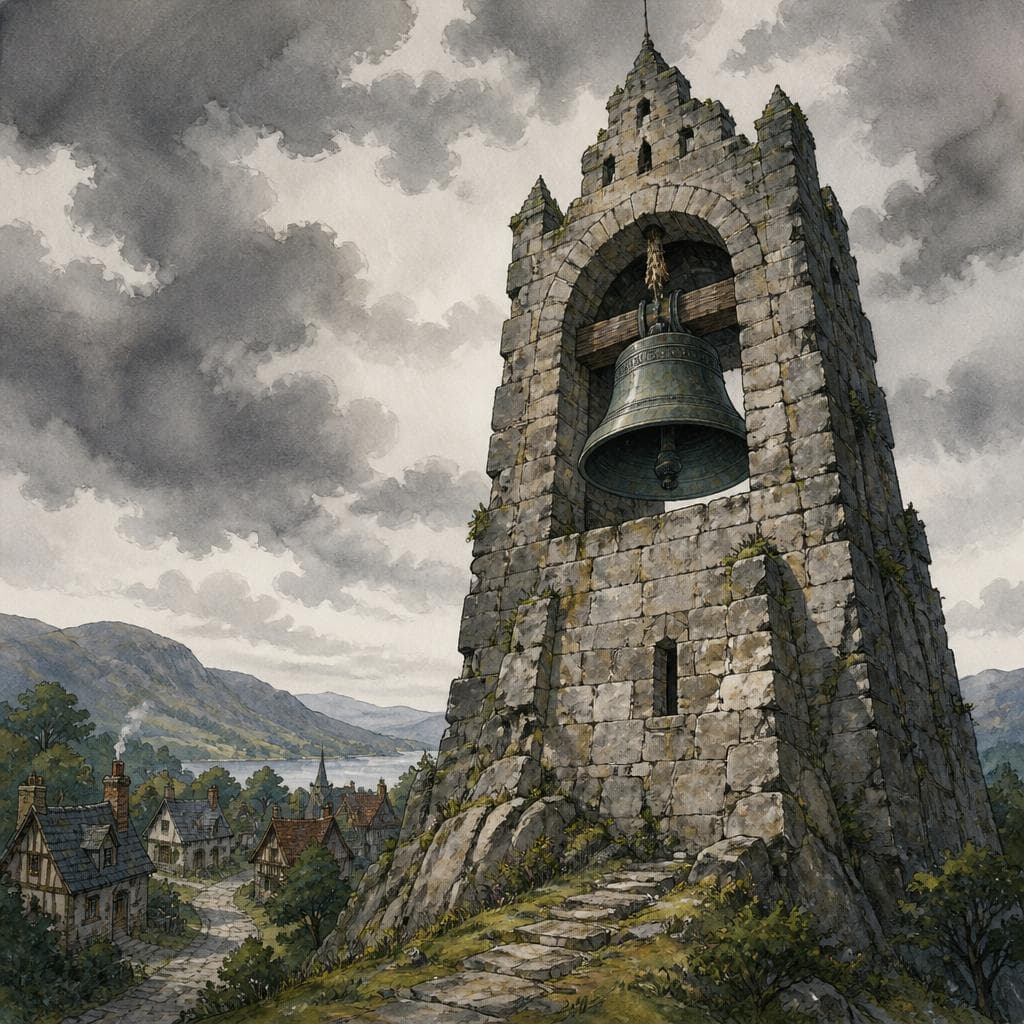
It hung in the old stone tower at the centre of the village, grey and heavy, older than any house or road. The rope that should have moved it had been cut away long ago, because nobody needed it. The bell rang on its own — always twice, always slowly — and it only rang when someone was making a mistake they could not undo.
That was the rule. Everyone knew it. Everyone respected it.
The bell had rung the morning old Petra sold her farm to a man who turned out to be a liar. It had rung the afternoon young Marco decided to cross the frozen river when the ice was too thin. It rang before disasters, before betrayals, before choices that could not be taken back. People in Crestfall had learned, over many generations, that when you heard two slow, deep rings from that tower, you stopped. You thought. You waited.

So when the bell rang on a quiet Thursday morning in October, the whole village paused.
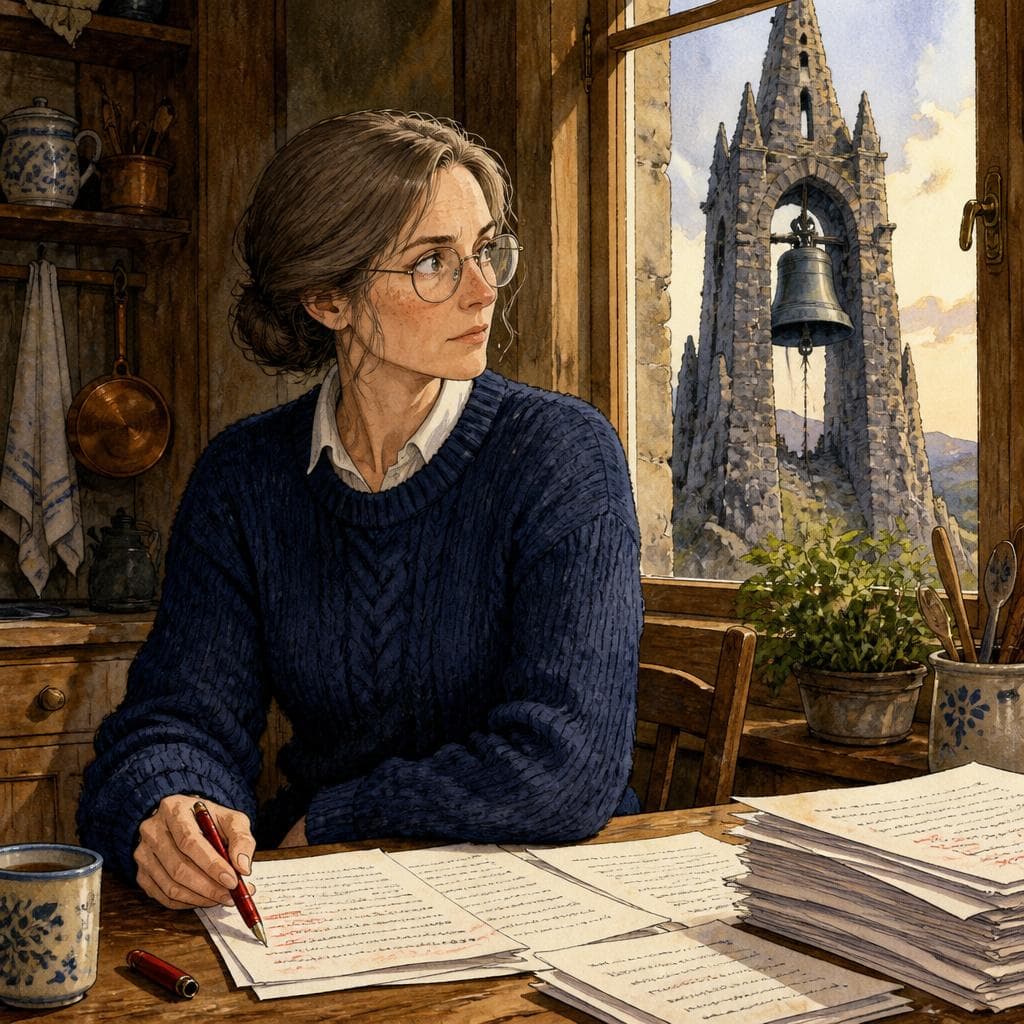
Lena, the schoolteacher, was grading papers at her kitchen table when she heard it. The sound moved through the walls like cold water. She put down her pen and looked out the window toward the tower.
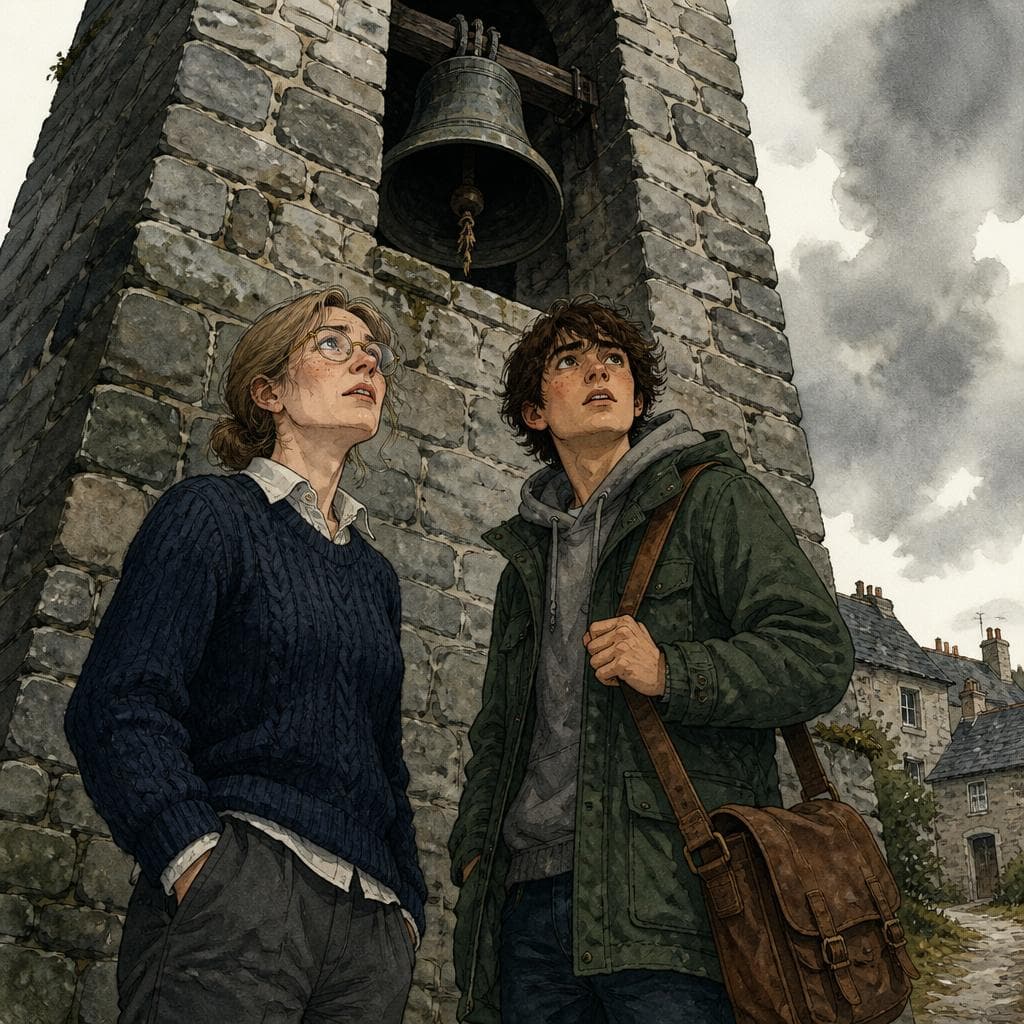
Two rings. Then silence.

Her first thought was not of herself. It was of her son, Daniel.
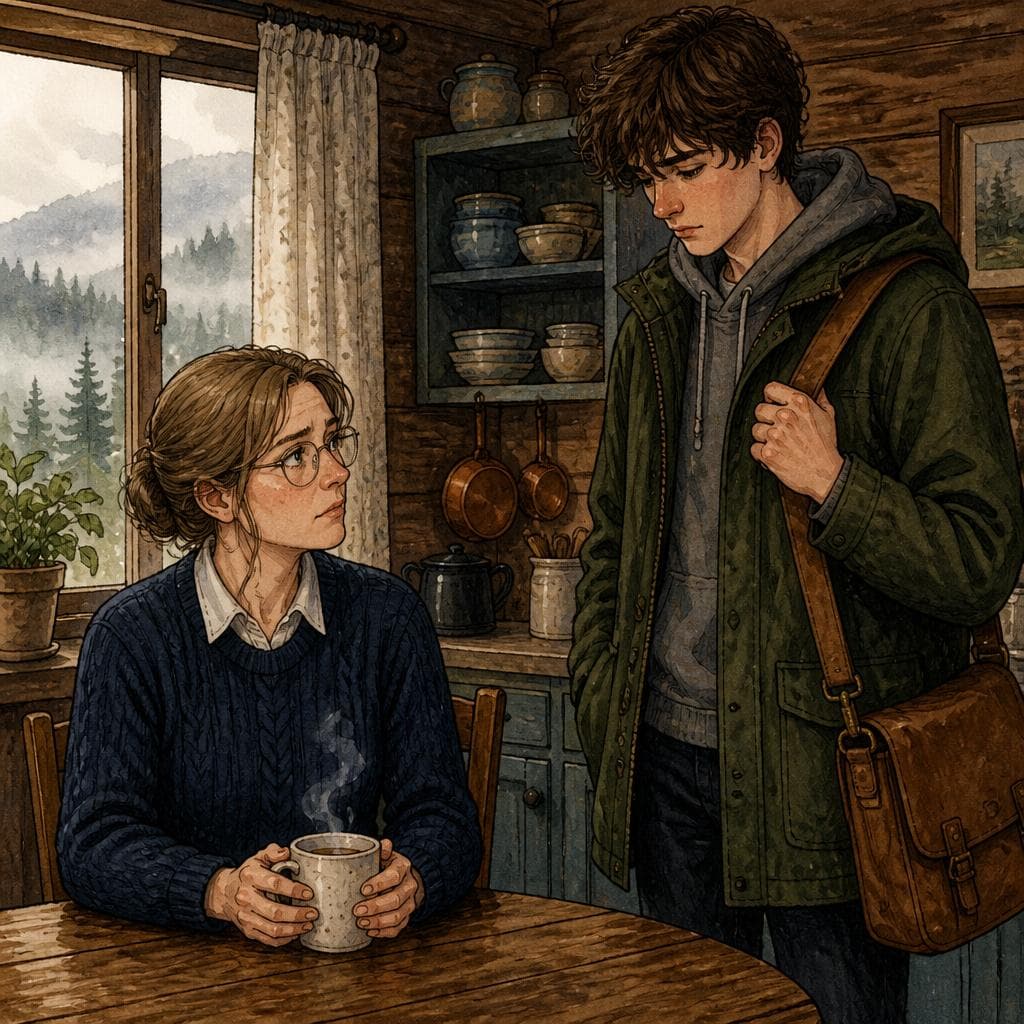
Daniel was seventeen, clever, and deeply unhappy — though he tried hard not to show it. For months, he had been talking about leaving Crestfall to study in the city. There was a university there, and they had offered him a small scholarship. It was a real opportunity. But the city was far, the scholarship was small, and Lena was alone. She had not told Daniel how frightened she was. She had not told him that the thought of his absence felt like a hole opening in the floor.
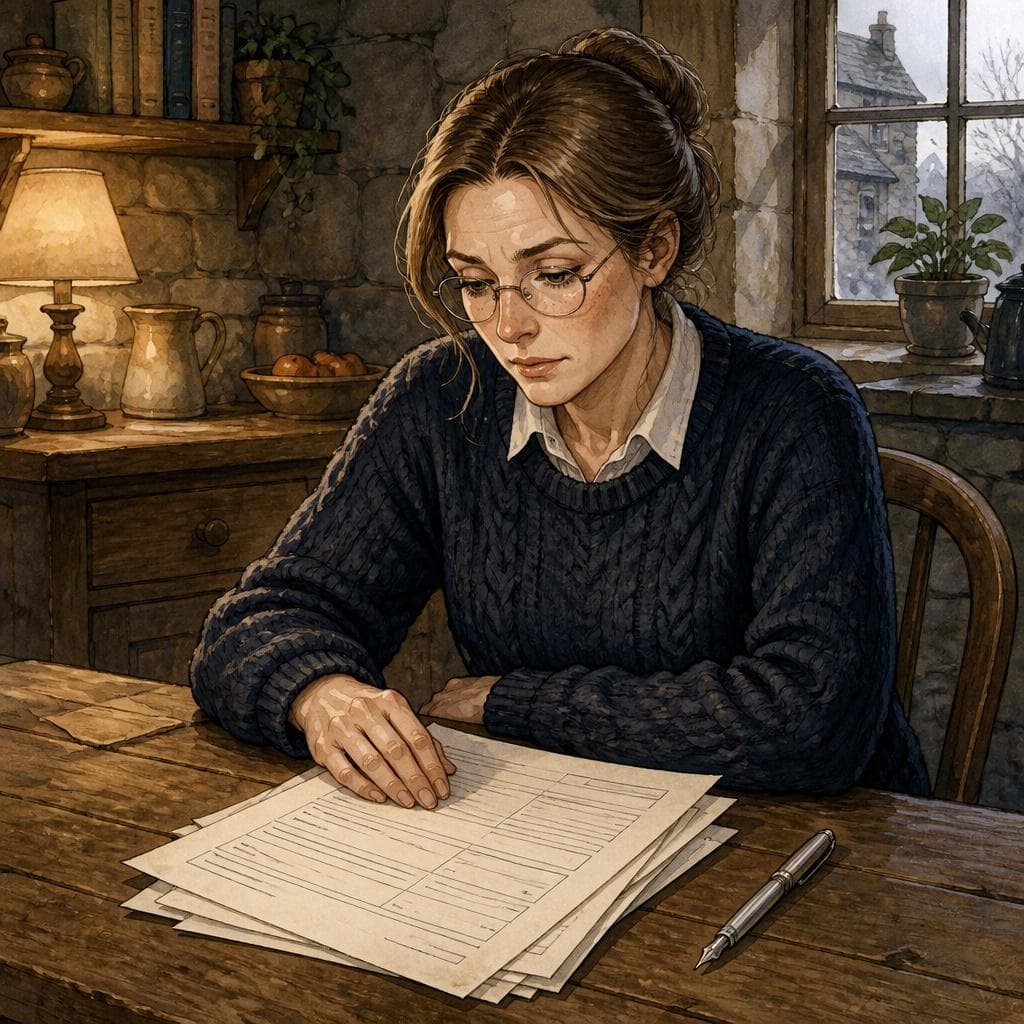
She had, instead, been leaving small obstacles in his way. She forgot to sign the application forms. She suggested, gently, that he might wait another year. She told him the city was dangerous, expensive, and cold.

She had been doing this for three months.
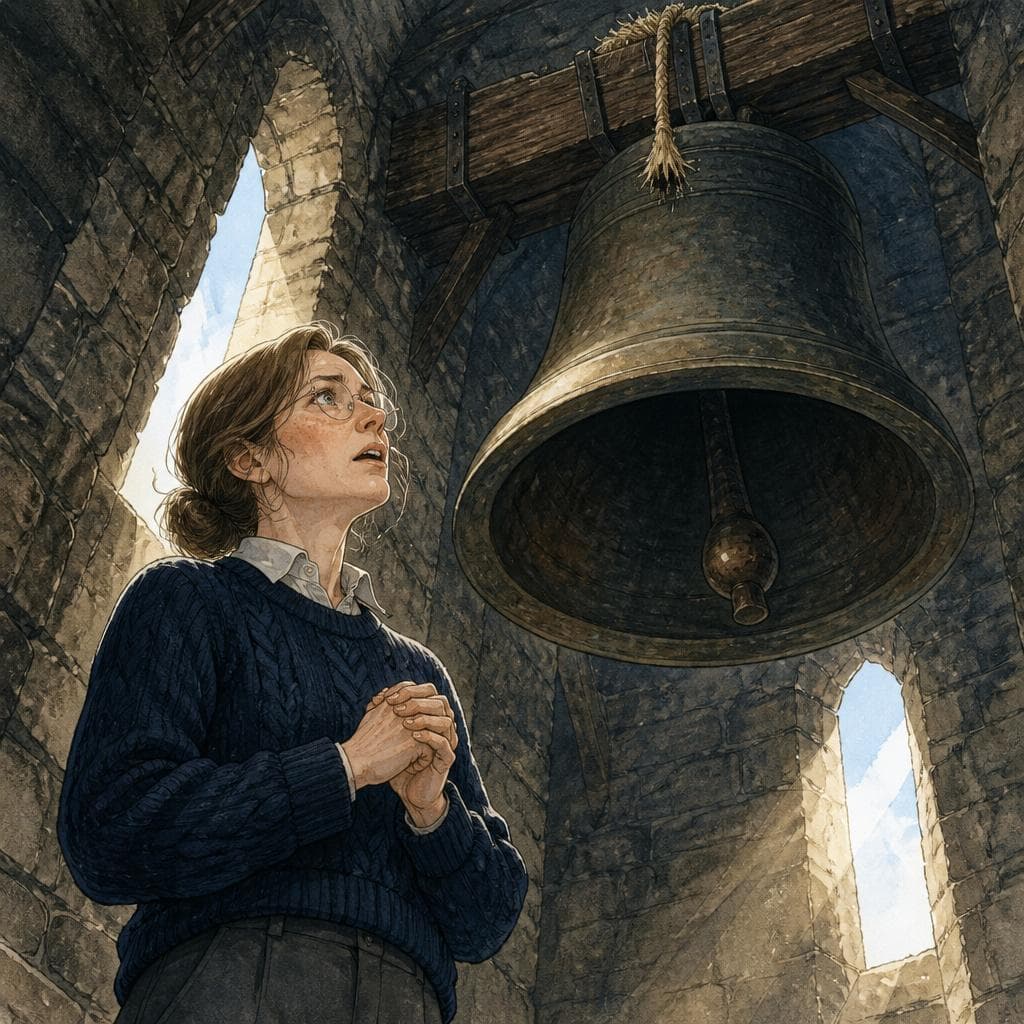
When she heard the bell, she already knew. She didn't want to know, but she knew.
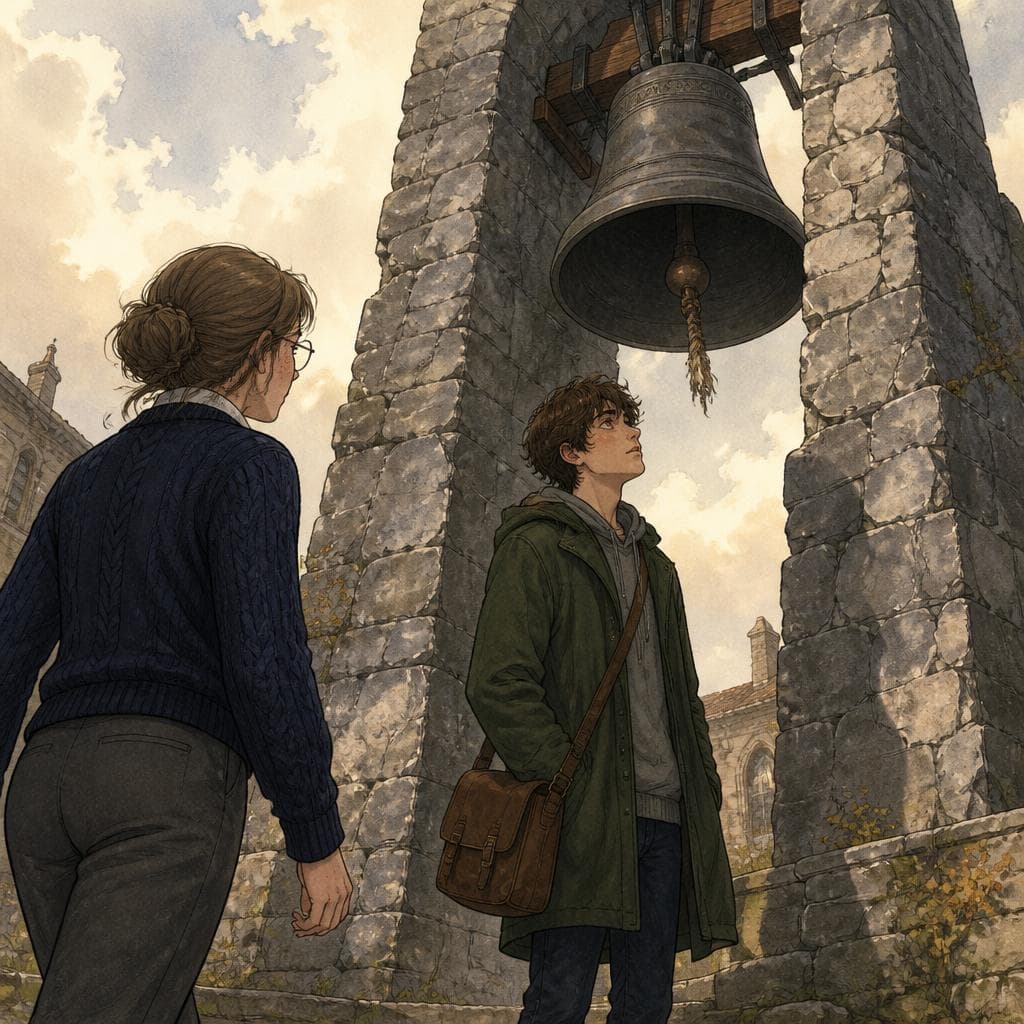
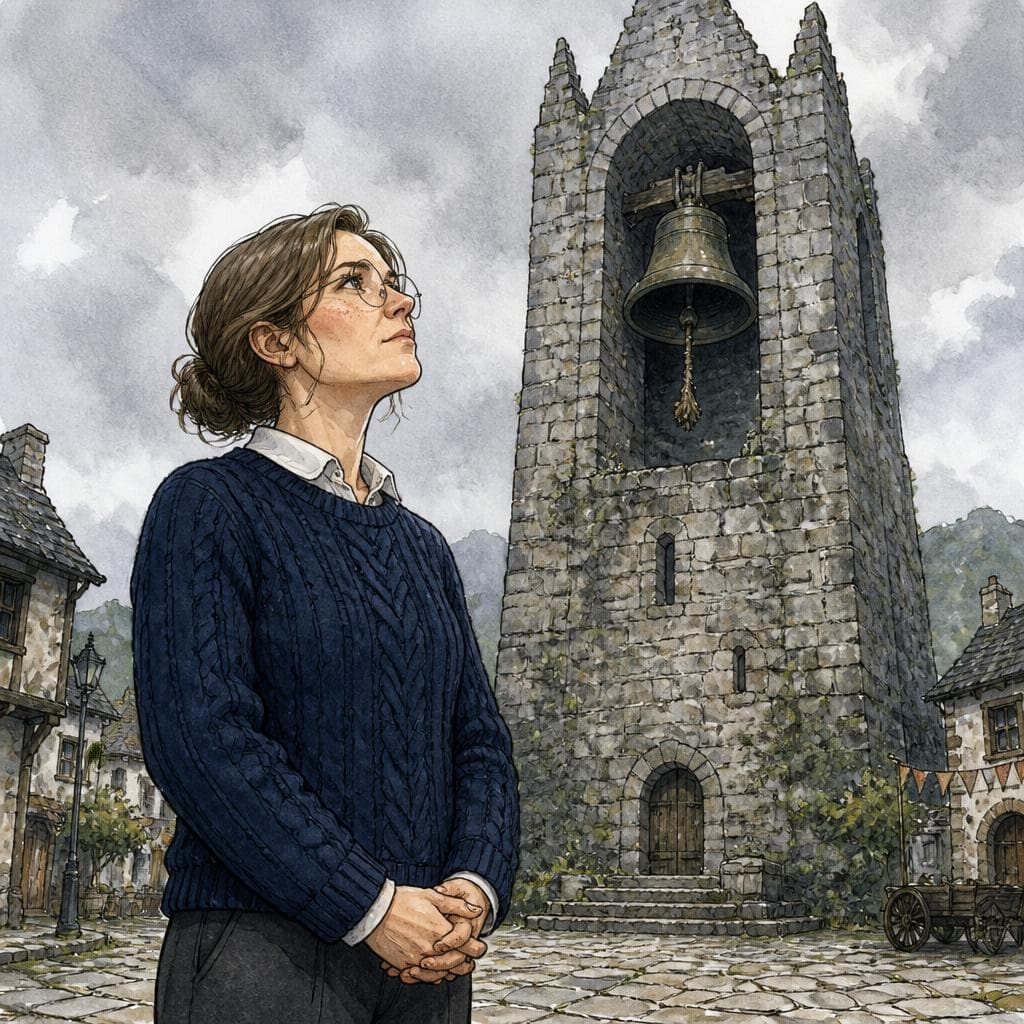
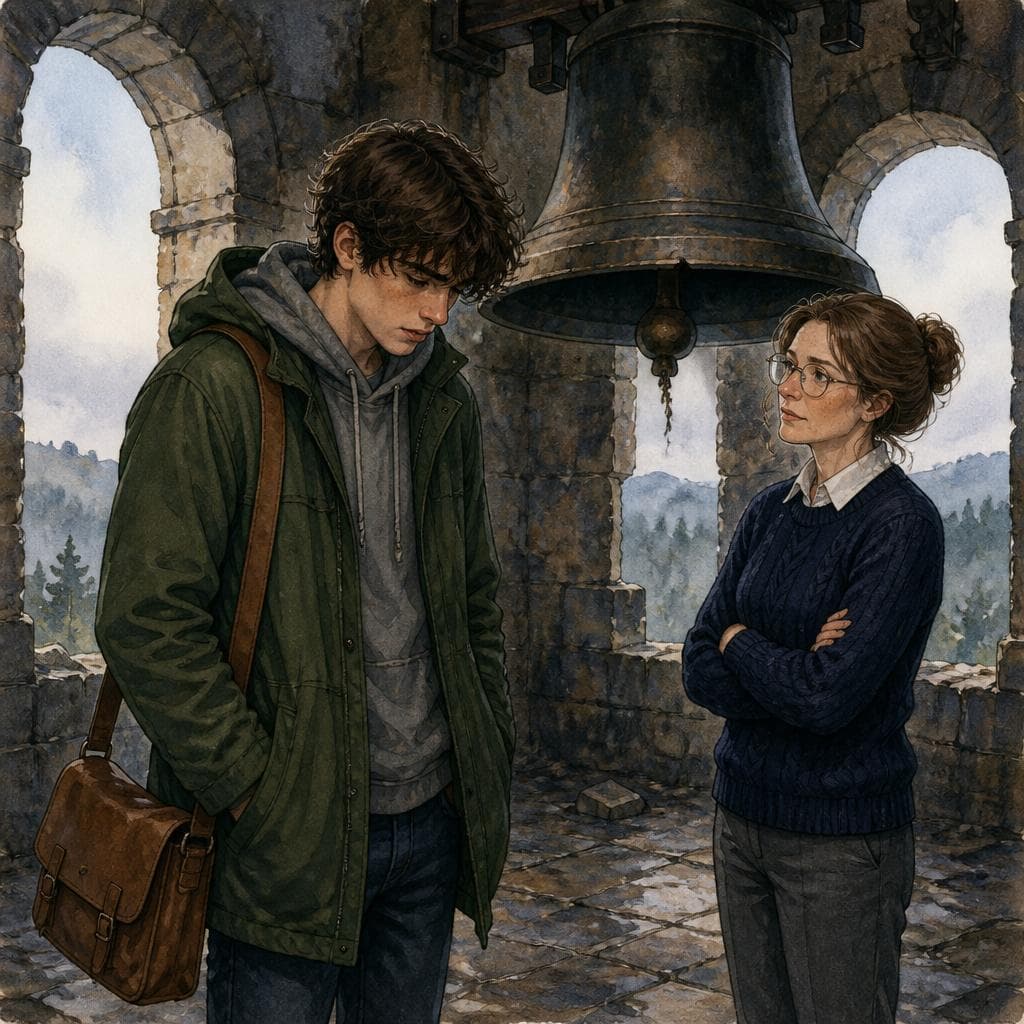
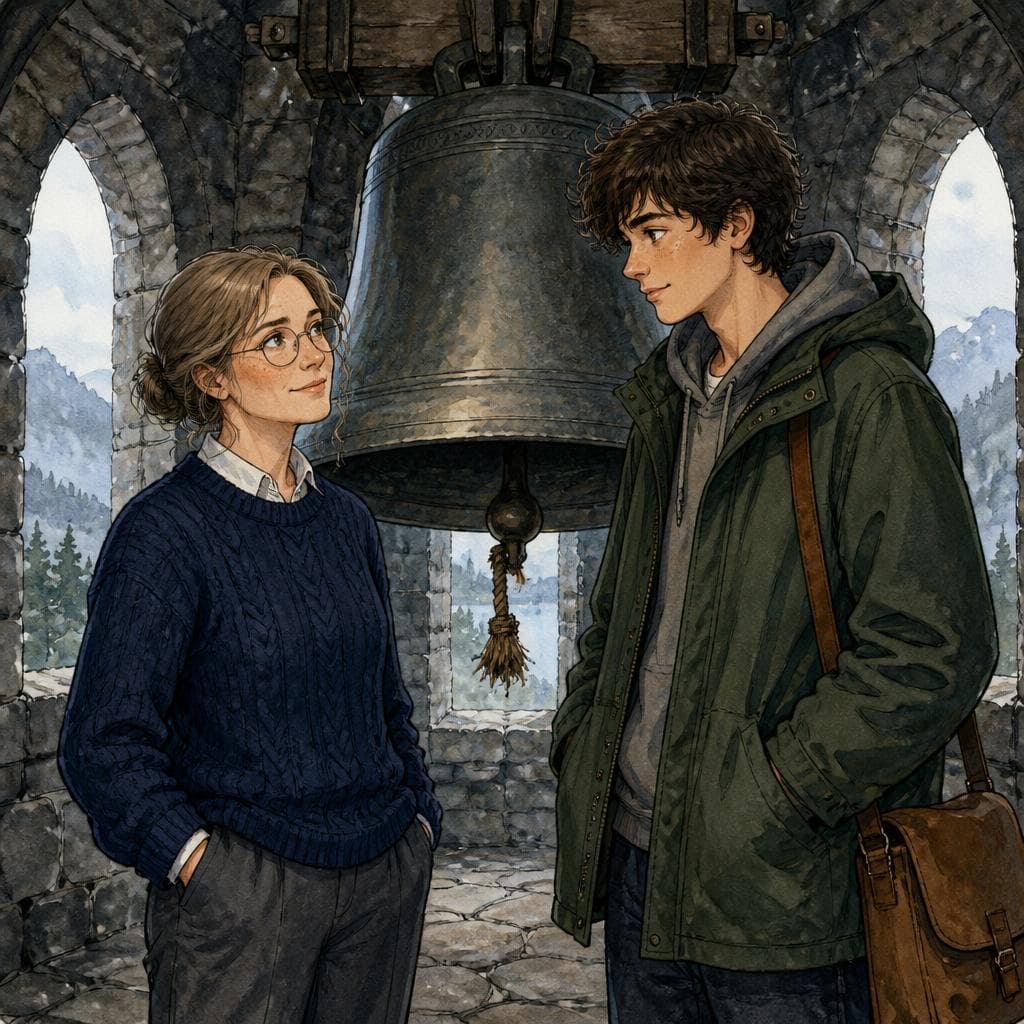
She found Daniel at the tower. He was standing at the base of it, looking up at the bell, which was now completely still. His face was calm, but his eyes were red. He had been crying recently, though he had stopped.
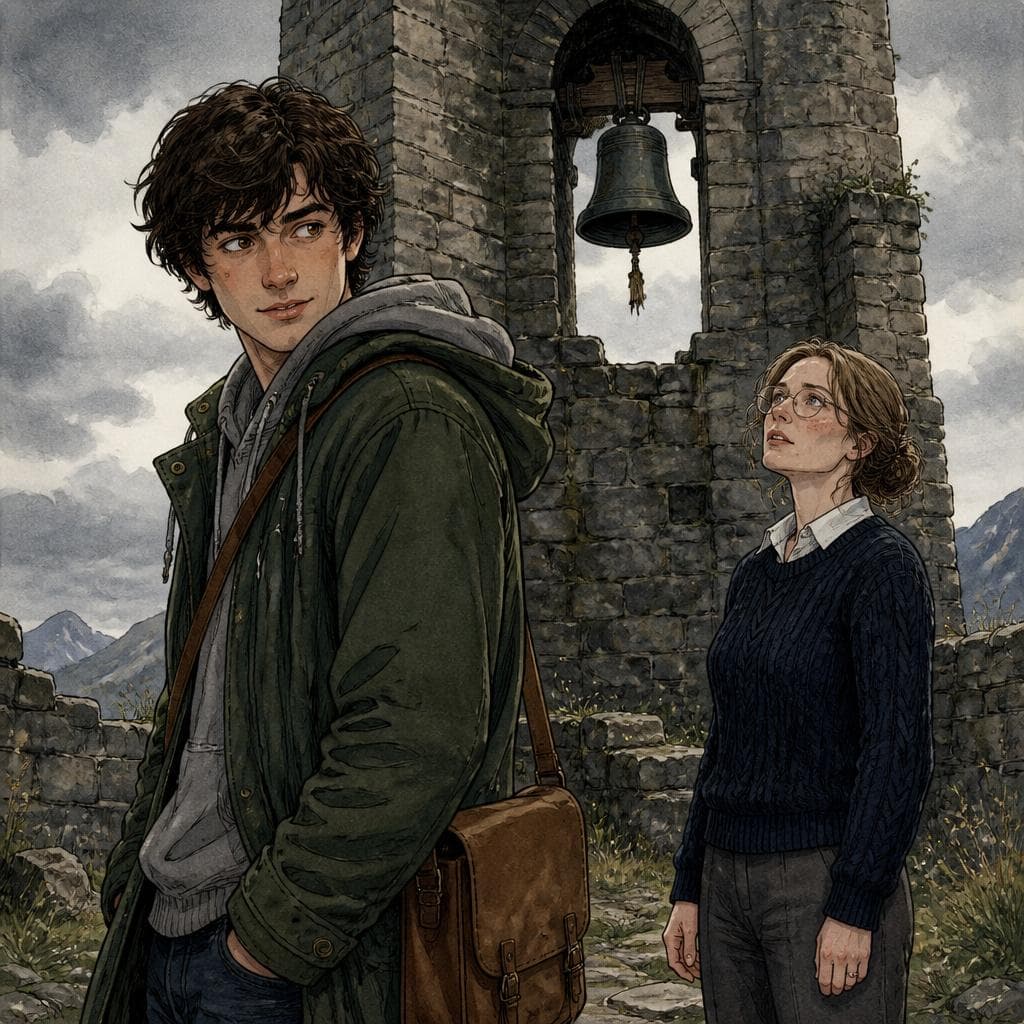
"You heard it too," he said.
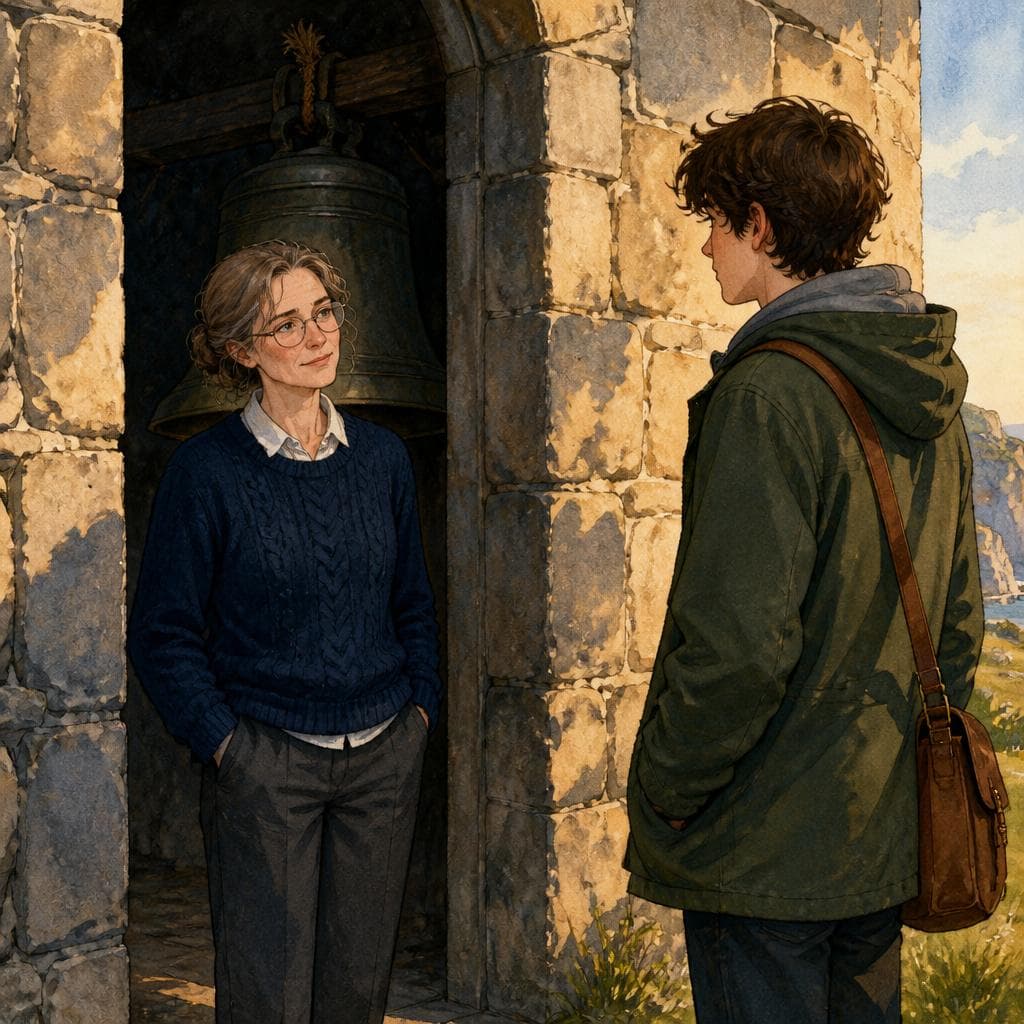
"Yes."
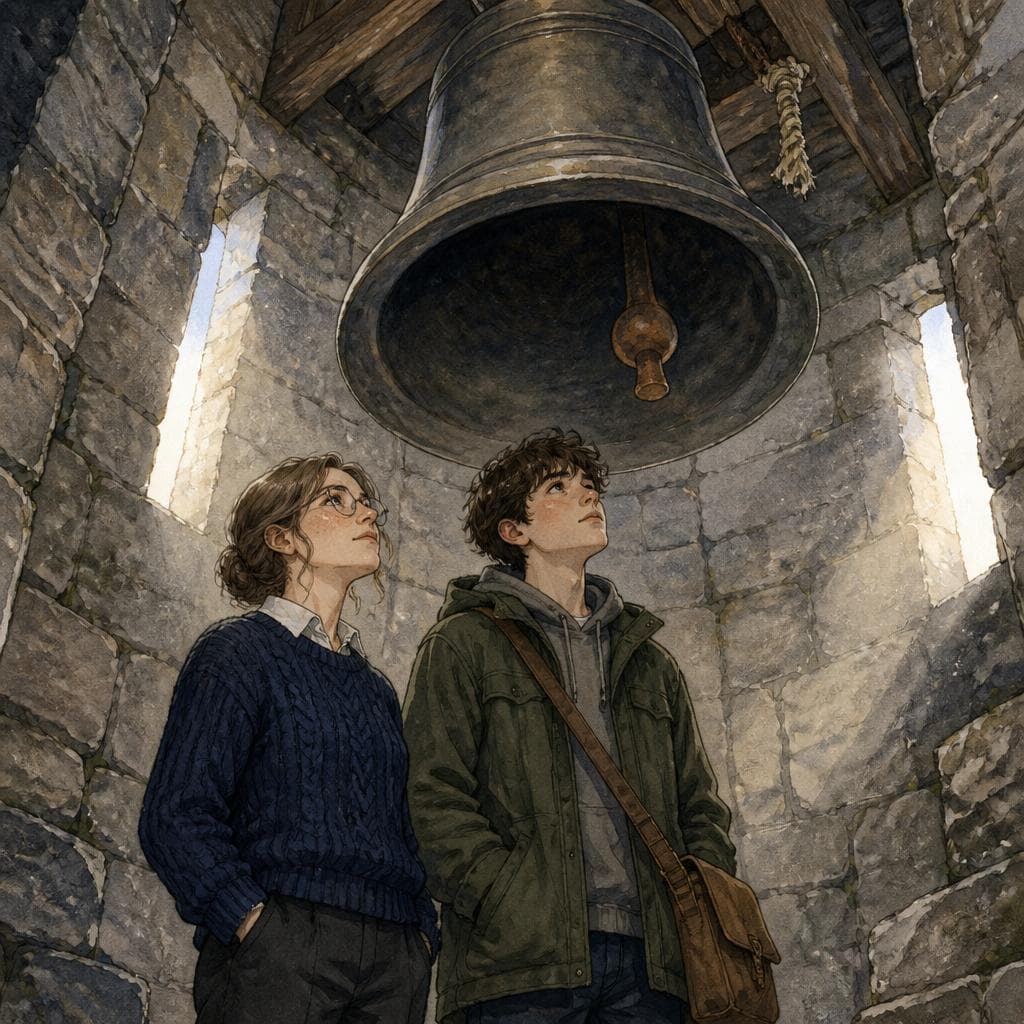
They stood together in silence for a moment. The bell above them said nothing more. It had already said everything.
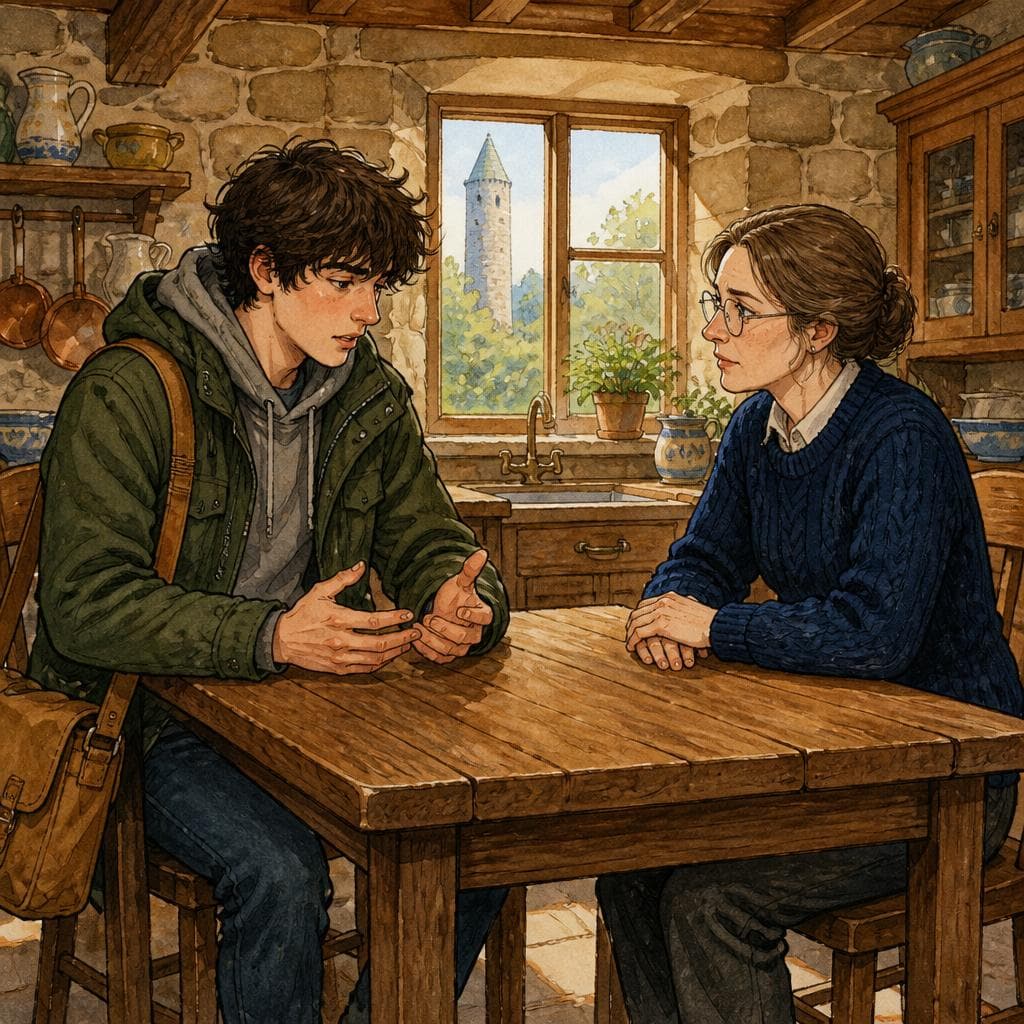
"Mum," Daniel started slowly, as if he was choosing each word carefully, "I've been thinking. Maybe you're right. Maybe I should wait a year. The city is expensive, and the scholarship is—"

"Stop," Lena said.

He looked at her.

"The bell didn't ring for you," she said. Her voice was steady, but it cost her something to keep it that way. "It rang for me."

Daniel didn't speak. He was intelligent enough to understand what she meant, but he waited.
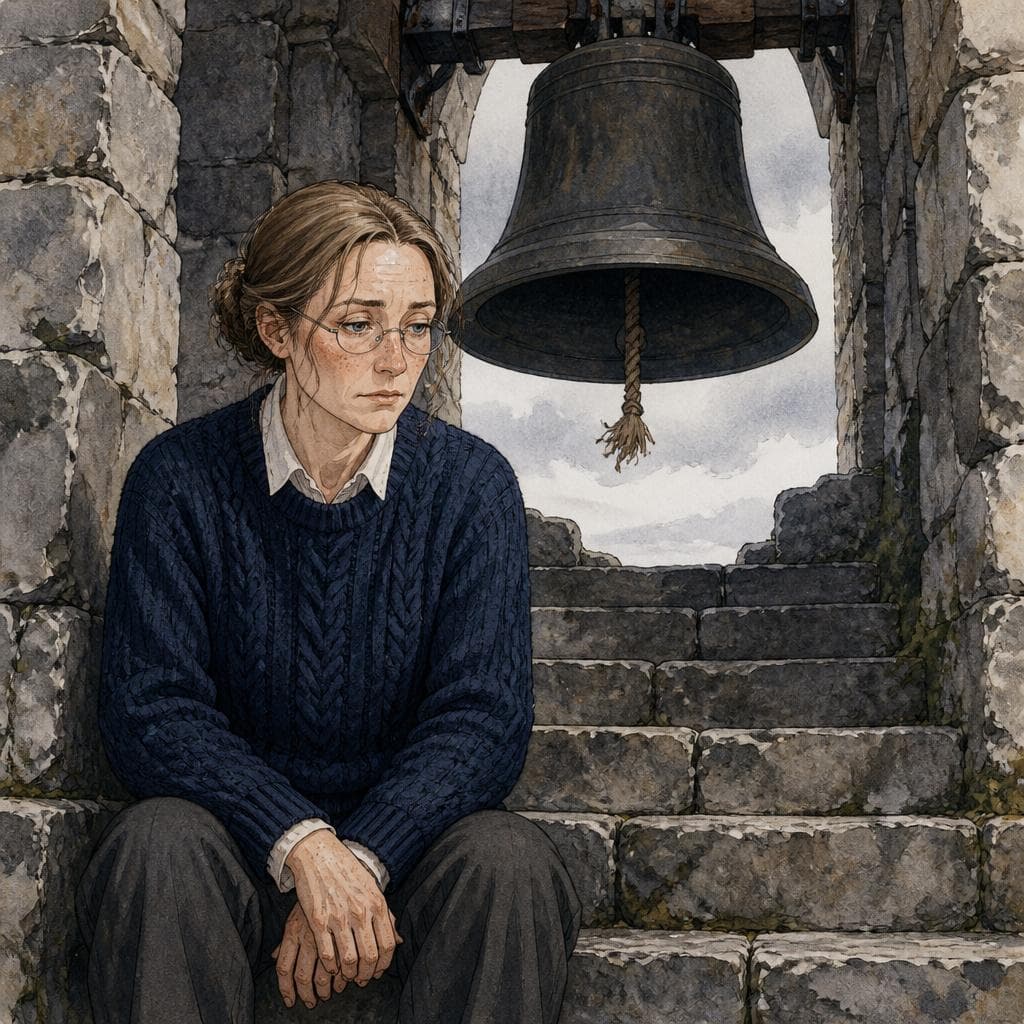
Lena sat down on the cold stone steps of the tower. She felt tired in a way that had nothing to do with sleep.

"I've been making it difficult for you on purpose," she said. "The forms. The warnings about the city. All of it. I've been afraid of being here alone, so I've been... putting things in your way. And I nearly—" She stopped. "I nearly convinced you to stay for the wrong reason. That would have been my mistake. Not yours."
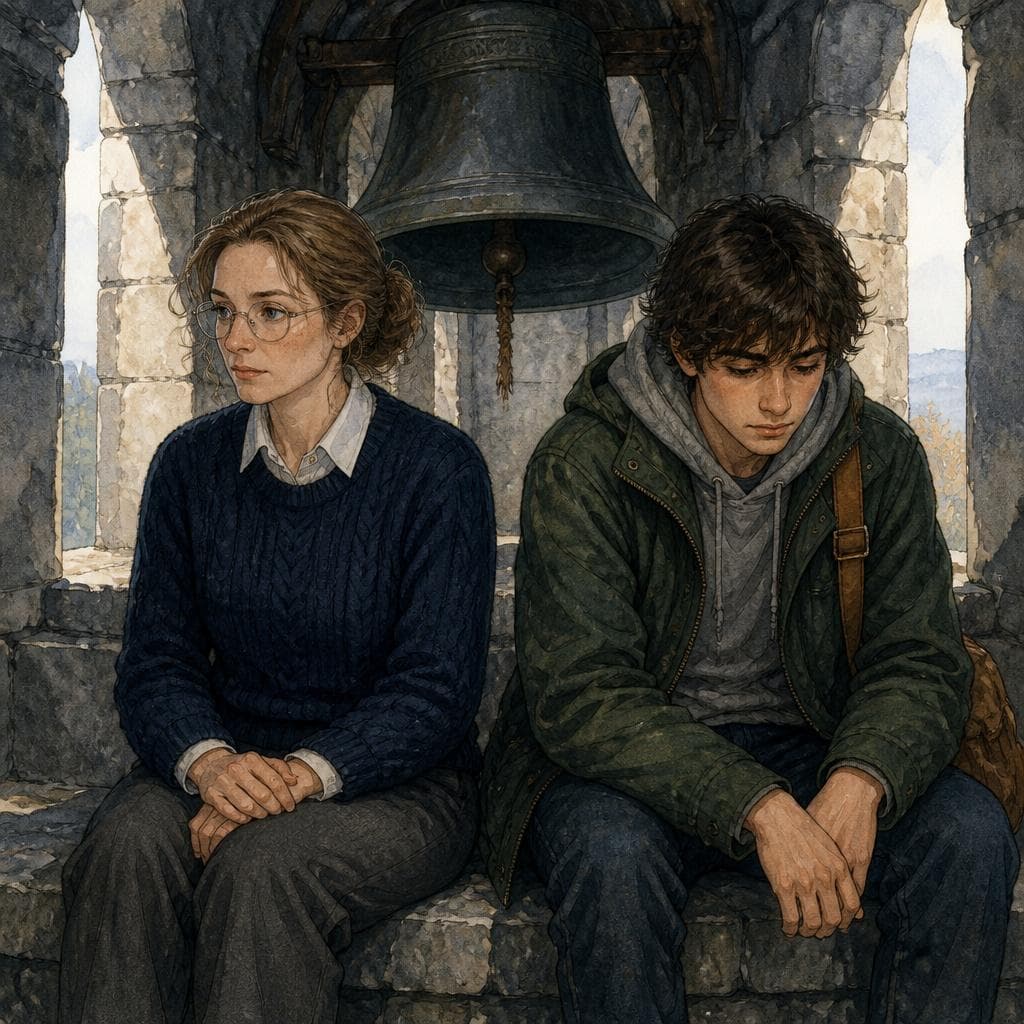
Daniel sat down beside her. For a long time, neither of them spoke.
"I was going to tell you today that I was giving up on it," he finally said.
"I know."

"Are you sure?" he asked. "About the scholarship. About me going."
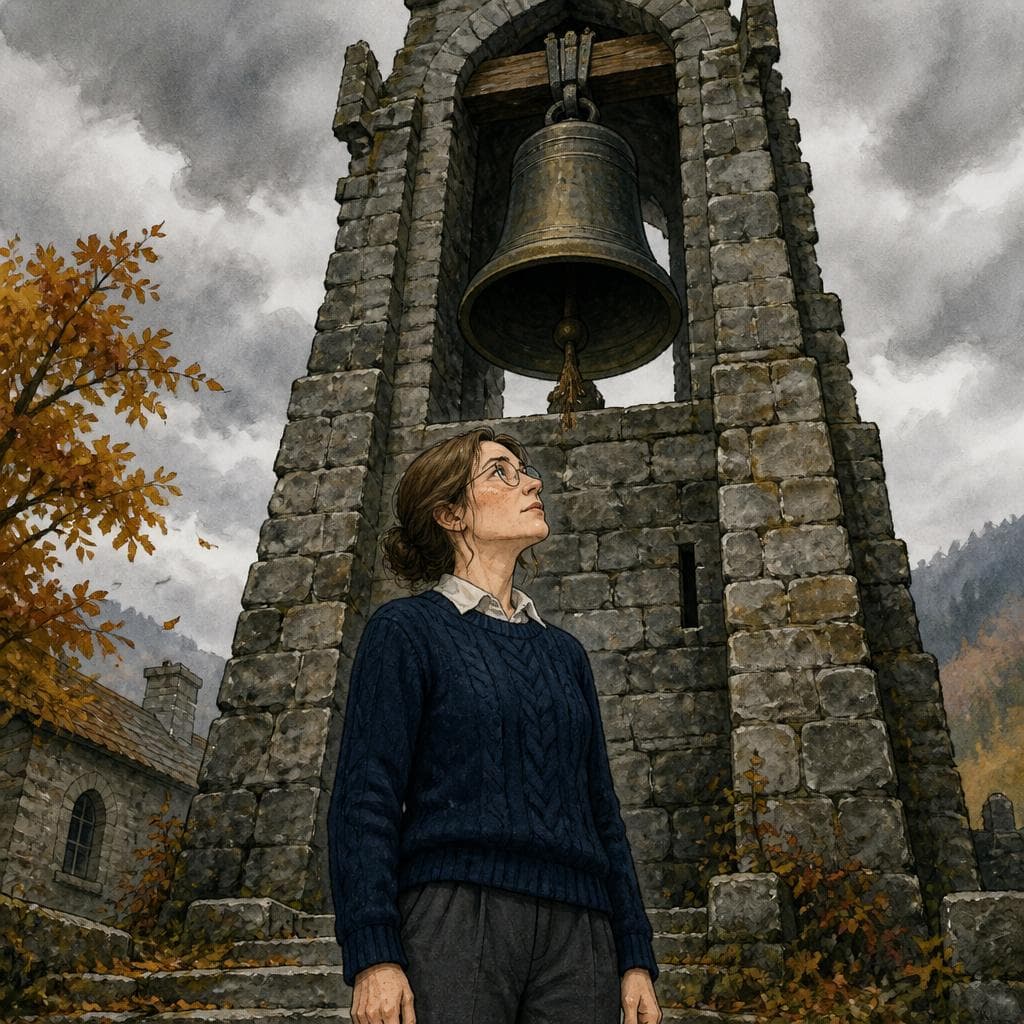
Lena looked up at the bell. It was dark and motionless against the grey October sky. It had no more warnings for her. She had heard the one that mattered.
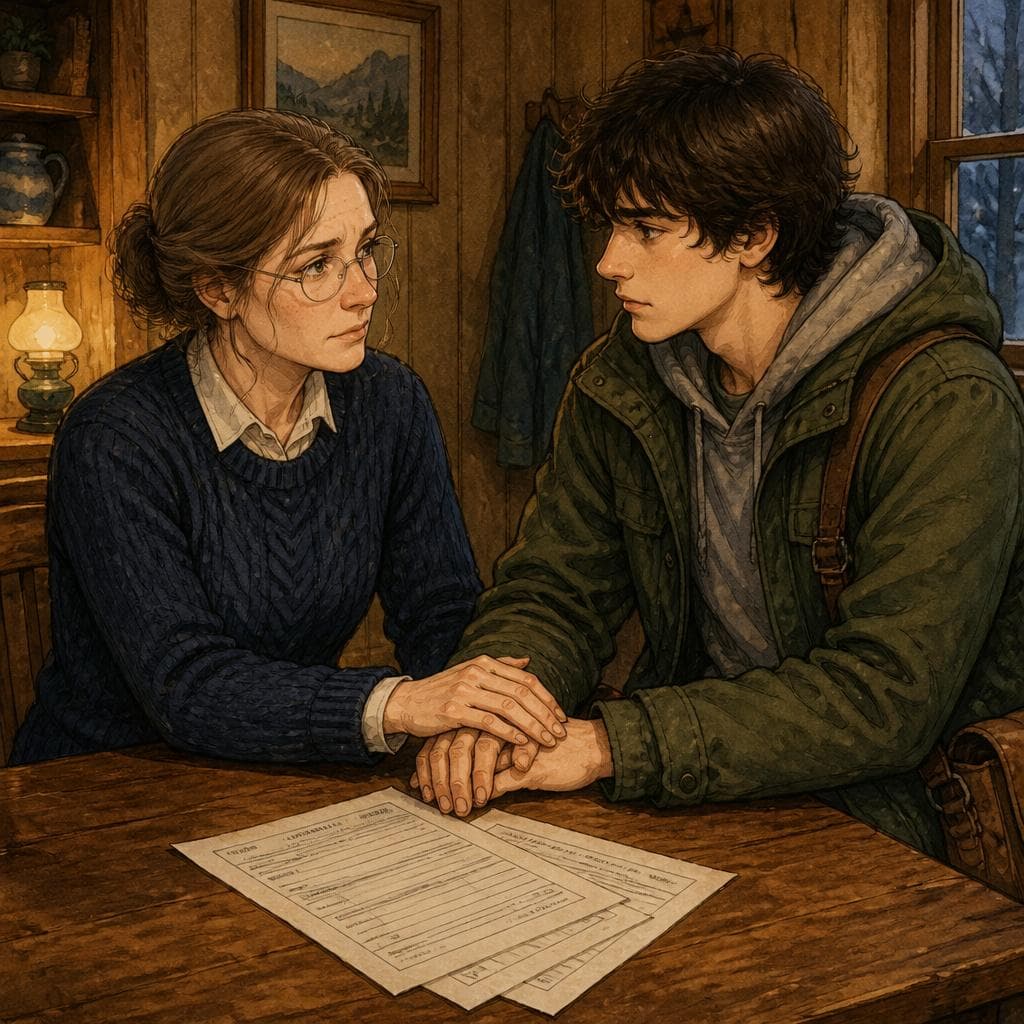
"I'm not sure about anything," she admitted. "But I'm sure that I almost stole something from you that wasn't mine to take." She put her hand over his. "Sign the forms today. Before I change my mind."

He almost laughed. It wasn't really a joke, but it was close enough.

Daniel left for the city in January.
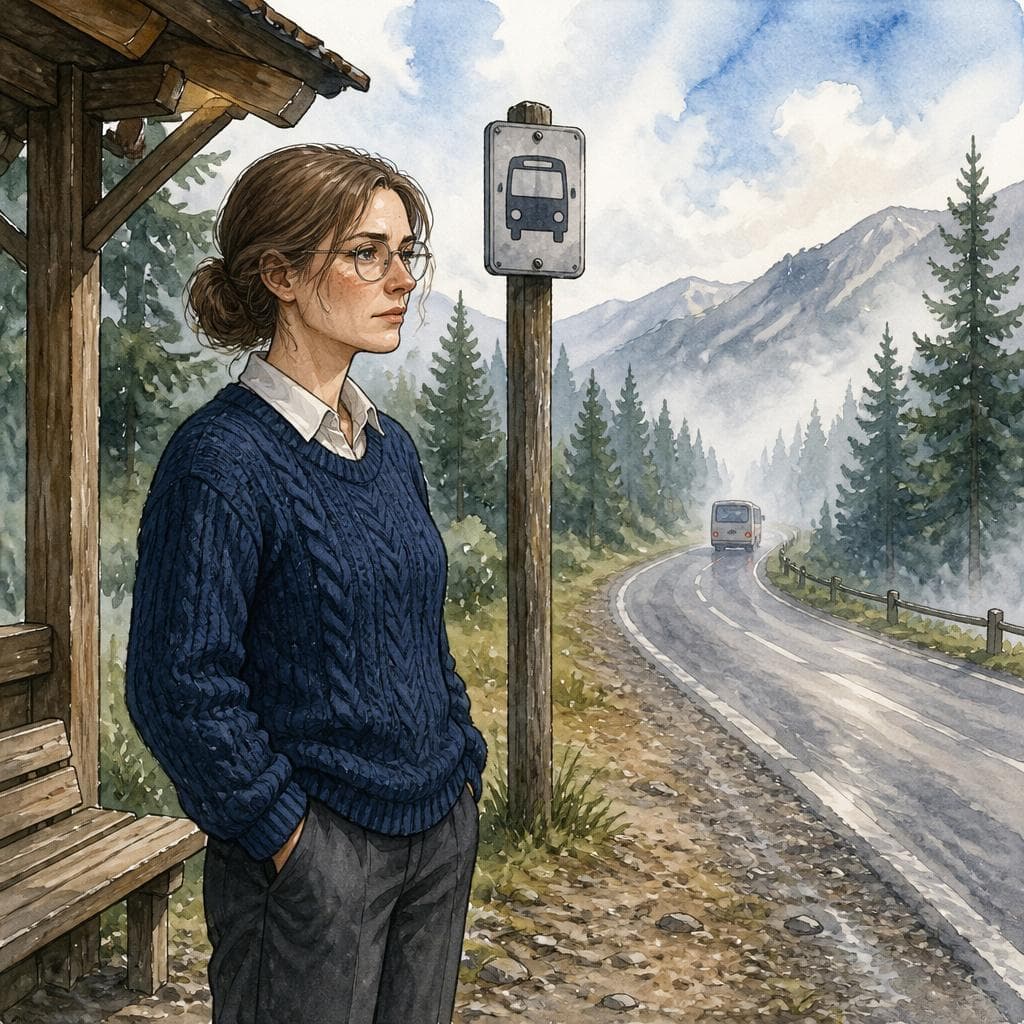
Lena stood at the bus stop and watched the bus disappear down the mountain road. The morning was very quiet. She waited for some terrible feeling to arrive, and it did — but it was smaller than she had expected. It was the ordinary sadness of missing someone, not the panic of a mistake. There was a difference, she was learning, between loss and error.

Behind her, across the village square, the old bell was silent in its tower. It had nothing to say.