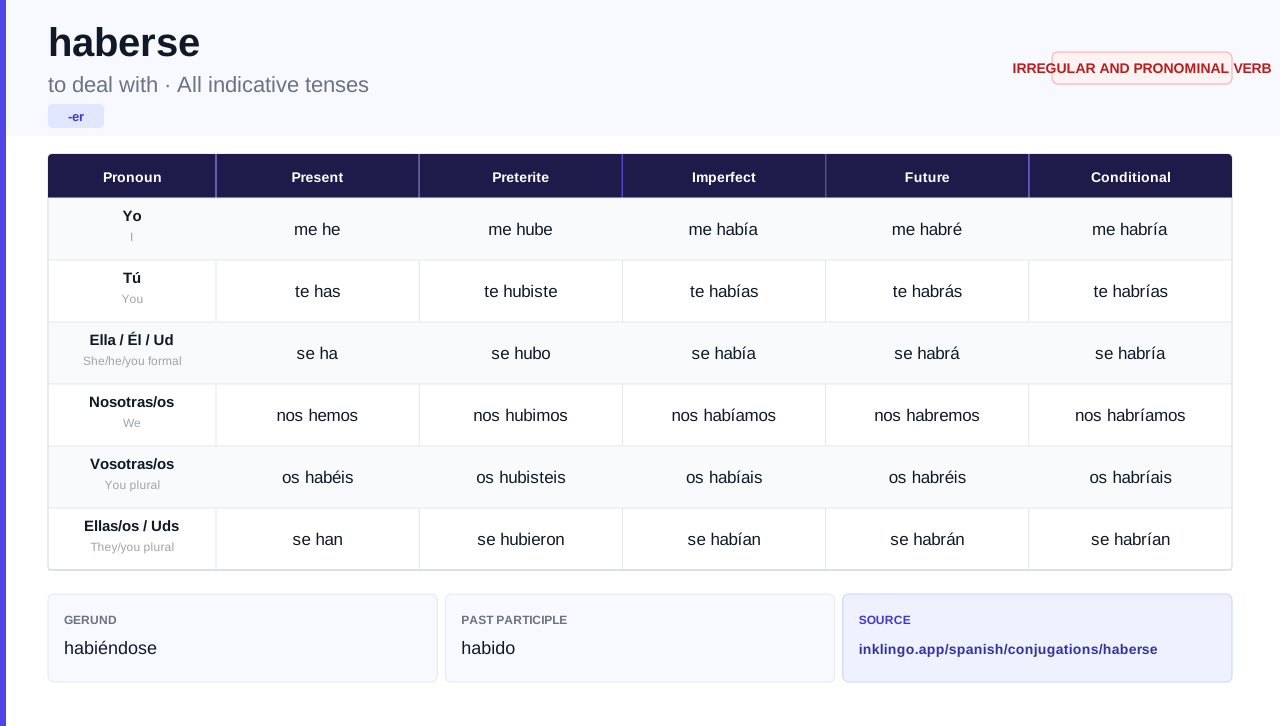
完全な活用表
すべての時制と法のリファレンス
Indicative
Present
haberse の現在形は、短い形を使用します:me he, te has, se ha, nos hemos。
Future
haberse の未来形は、不規則な語幹「habr-」を使用します:me habré, te habrás, se habrá。
Imperfect
haberse の過去不完了形は、語尾が規則的です:me había, te habías, se había。
Conditional
条件法は、不規則な「habr-」の語幹を使用します:me habría, te habrías, se habría。
Preterite
haberse の点過去形は、不規則な「hub-」の語幹を使用します:me hube, te hubiste, se hubo。
Imperative
Negative Imperative
否定命令法は、「no」+現在接続法を使用します:no te hayas, no se haya。
Imperative
haberse の命令法は稀で、非常にフォーマルです:héte, háyase, hayámonos。
Subjunctive
Present Subjunctive
現在接続法は、「hay-」の語幹を使用します:me haya, te hayas, se haya。
Imperfect Subjunctive
過去接続法は、「hubier-」の語幹を使用します:me hubiera, te hubieras, se hubiera。
活用を練習する
インタラクティブな問題で知識をテストしましょう
haberseを活用表から本物のスペイン語へ
活用表は始まりに過ぎません。200以上のイラスト付き朗読スペイン語ストーリーを読んで、'haberse'が実際の文の中で使われる場面を何度も目にし——ネイティブスピーカーが持つ感覚を身につけましょう。
よくある質問
haberseはスペイン語でどういう意味ですか?
haberseは「(誰か・何かと)対処する」を意味します。
haberseは規則動詞ですか、不規則動詞ですか?
haberseはスペイン語でirregular and pronominalの-er動詞です。
haberseを現在形で活用させるにはどうすればよいですか?
haberseの現在形は次のとおりです:yo me he, tú te has, él/ella/usted se ha, nosotros nos hemos, vosotros os habéis, ellos/ellas/ustedes se han。
haberseを点過去(過去形)で活用させるにはどうすればよいですか?
haberseの点過去は次のとおりです:yo me hube, tú te hubiste, él/ella/usted se hubo, nosotros nos hubimos, vosotros os hubisteis, ellos/ellas/ustedes se hubieron。
haberse 活用チートシート