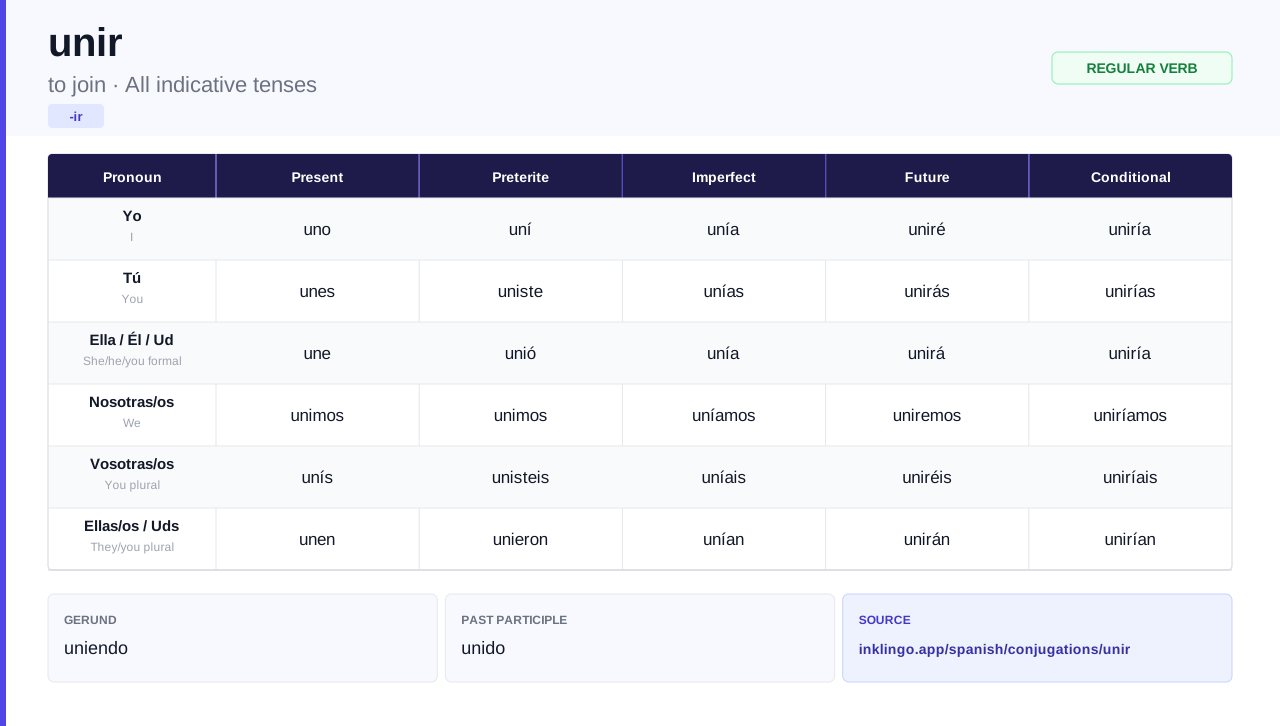
完全な活用表
すべての時制と法のリファレンス
Indicative
Conditional
unirの条件法は不定詞に-íaを追加します:uniría, unirías, uniría, uniríamos, uniríais, unirían。
Present
unirの現在形は規則的です:uno, unes, une, unimos, unís, unen。
Preterite
unirは点過去で規則的です:uní, uniste, unió, unimos, unisteis, unieron。
Imperfect
unirの線過去は標準的な-íaの語尾を使用します:unía, unías, unía, uníamos, uníais, unían。
Future
unirの未来形は不定詞に語尾を追加して形成されます:uniré, unirás, unirá, uniremos, uniréis, unirán。
Imperative
Imperative
unirの命令法は直接的な命令を与えます:une (tú), unid (vosotros), una (usted)。
Negative Imperative
unirの否定命令法は現在接続法の形を使用します:no unas, no una, no unamos, no unáis, no unan。
Subjunctive
Present Subjunctive
unirの現在接続法は規則的な-irパターンに従います:una, unas, una, unamos, unáis, unan。
Imperfect Subjunctive
unirの線接続法は規則的です:uniera, unieras, uniera, uniéramos, unierais, unieran。
活用を練習する
インタラクティブな問題で知識をテストしましょう
unirを活用表から本物のスペイン語へ
活用表は始まりに過ぎません。200以上のイラスト付き朗読スペイン語ストーリーを読んで、'unir'が実際の文の中で使われる場面を何度も目にし——ネイティブスピーカーが持つ感覚を身につけましょう。
よくある質問
unirはスペイン語でどういう意味ですか?
unirは「繋ぐ」を意味します。
unirは規則動詞ですか、不規則動詞ですか?
unirはスペイン語でregularの-ir動詞です。
unirを現在形で活用させるにはどうすればよいですか?
unirの現在形は次のとおりです:yo uno, tú unes, él/ella/usted une, nosotros unimos, vosotros unís, ellos/ellas/ustedes unen。
unirを点過去(過去形)で活用させるにはどうすればよいですか?
unirの点過去は次のとおりです:yo uní, tú uniste, él/ella/usted unió, nosotros unimos, vosotros unisteis, ellos/ellas/ustedes unieron。
unir 活用チートシート