
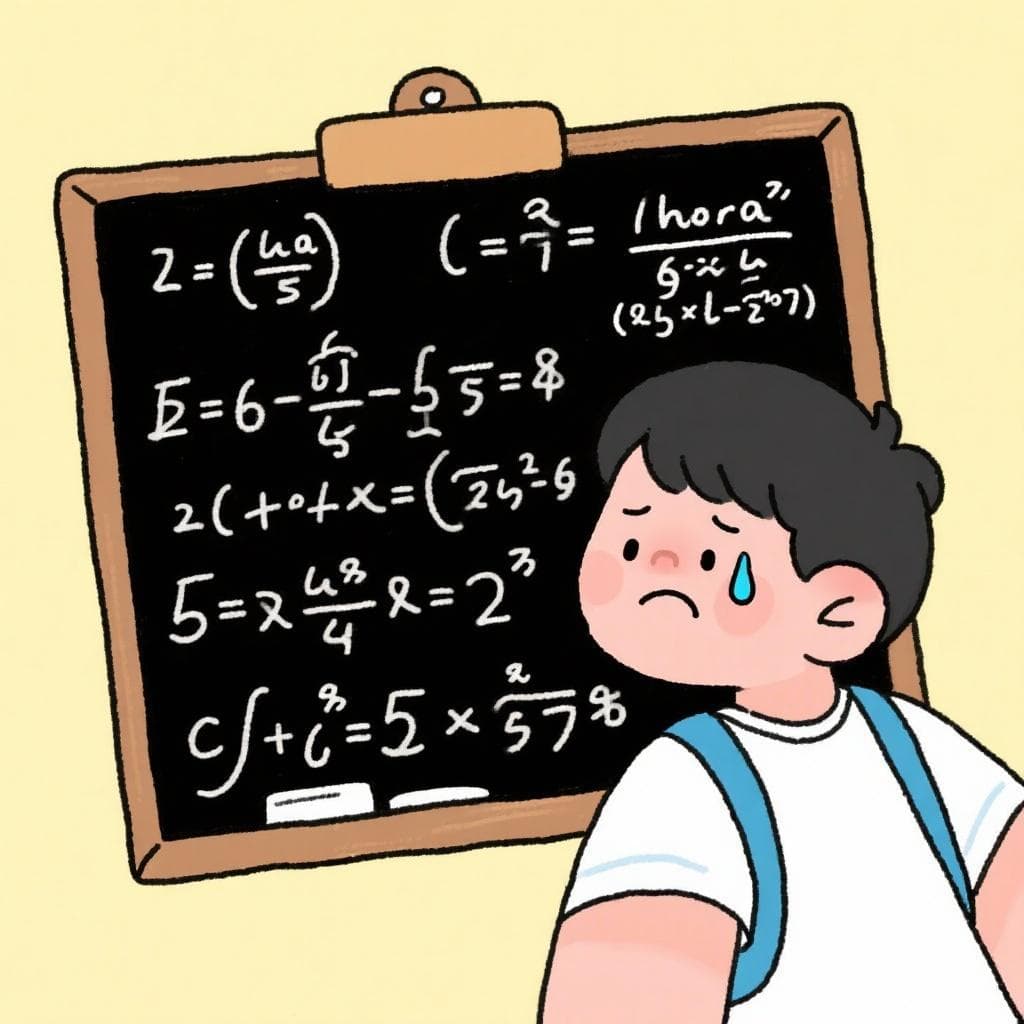
Está cañón
es-TAH can-YOHN
🎨 문자적 의미 vs. 비유적 의미

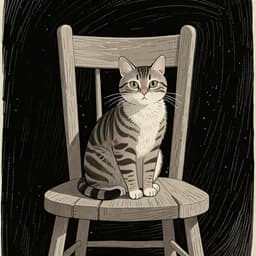
Literally, this phrase means 'it is a cannon'.

In reality, it means something is very difficult or intense.
이 관용구의 핵심 단어:

📝 실제 사용 예시
El examen de física estuvo cañón, dudo que lo haya pasado.
B2The physics exam was a beast, I doubt I passed it.
¡La nueva película de ese director está cañón! Tienes que verla.
B2That director's new movie is awesome! You have to see it.
Conseguir boletos para el concierto va a estar cañón, se agotan en minutos.
C1Getting tickets for the concert is going to be really tough, they sell out in minutes.
📜 기원 이야기
The exact origin isn't documented, but the idea comes from the power and impact of a cannon. A cannon is a powerful, intense weapon that makes a huge impression. When you say something 'está cañón,' you're using a metaphor to say it has the same level of intensity, difficulty, or force as a cannonball.
⭐ 사용 팁
The All-Purpose Intensifier
Think of 'está cañón' as a way to add emphasis. It can mean 'very difficult' (El examen está cañón), 'very cool/impressive' (Tu coche nuevo está cañón), or even 'very attractive' (Ese actor está cañón). The meaning comes from the context and your tone of voice.
A Hallmark of Mexican Spanish
This phrase is incredibly common in Mexico and is a clear sign of informal, friendly speech. While people in other countries might understand it from movies, it's most at home in a casual Mexican conversation.
❌ 흔한 실수
Not for Formal Situations
실수: “Using 'está cañón' in a business presentation or a formal essay.”
수정: This is slang, plain and simple. Keep it for conversations with friends. In a formal setting, use words like 'difícil,' 'complicado,' or 'impresionante' instead.
📚 관련 문법
이 관용구의 문법을 이해하고 싶으신가요? 심층 학습을 위해 이 강의들을 살펴보세요:
🌎 사용되는 곳
Mexico
Extremely common and a hallmark of informal Mexican speech. Used for 'difficult', 'impressive', and 'attractive'.
Spain
Not used. People might understand it from Mexican media, but it's not part of everyday vocabulary. They would use expressions like 'es la caña' or 'es la leche' for 'it's awesome'.
Latin America
Usage varies. It's widely understood due to the influence of Mexican TV and movies, but many countries have their own local slang for the same concepts.
✏️ 빠른 연습
간단 퀴즈: Está cañón
1개 중 1번째 문제
If your friend from Mexico says, 'El tráfico está cañón hoy,' what do they mean?
🗣️ 발음 연습
이 관용구를 더 자연스럽게 사용하고 싶으신가요? 저희의 텅 트위스터 모음으로 스페인어 발음을 연습해 보세요.
스페인어 텅 트위스터 찾아보기 →🏷️ 태그
관용구를 생생하게 들어보세요
관용구는 맥락 속에서 의미가 통합니다. 200개 이상의 삽화가 포함되고 음성이 지원되는 스페인어 이야기를 읽고 등장인물들이 관용구를 자연스럽게 사용하는 것을 보고 원어민과 같은 귀를 길러보세요.
자주 묻는 질문
Can I use 'está cañón' to describe a person?
Yes, absolutely! In Mexico, saying someone 'está cañón' or 'está bien cañón' is an informal way to say they are very physically attractive. The context and tone will make it clear you're giving a compliment.
Is 'ser cañón' the same as 'estar cañón'?
They are used differently. 'Estar cañón' describes a temporary state or quality (the exam was tough, the movie is awesome). 'Ser cañón' describes a more permanent characteristic of a person, meaning they are great, highly skilled, or a 'badass' at something. For example, 'Messi es un cañón para el fútbol' (Messi is a beast at soccer).