Koniugacja amarrar Czas teraźniejszy
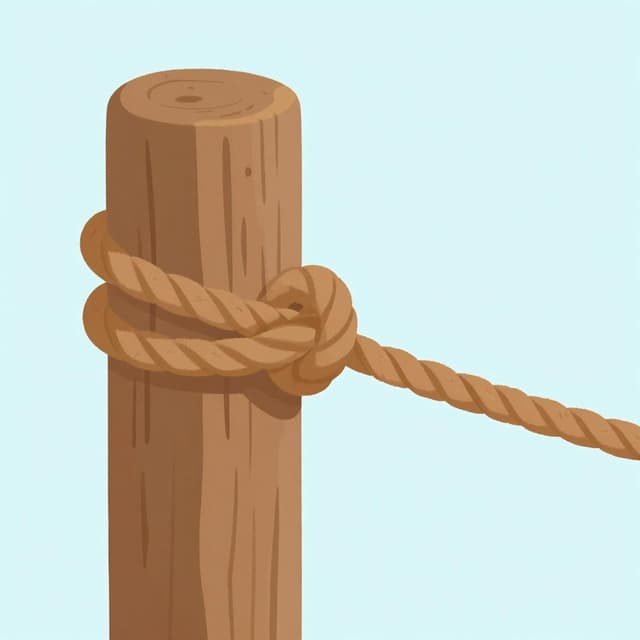
amarrar — to tie
The present indicative of amarrar is amarro, amarras, amarra, amarrámos, amarráis, amarran, used for current or habitual actions.
Formy amarrar Czas teraźniejszy
Kiedy używać Czas teraźniejszy
Use the present tense for actions happening right now, habitual actions you do regularly, or general truths. For 'amarrar', it could be tying your shoes daily or tying a knot at this moment.
Uwagi dotyczące amarrar w czasie Czas teraźniejszy
Amarra is regular in the present indicative. The nosotros form 'amarrámos' is identical to the preterite 'amarrámos', so context is key.
Przykładowe zdania
Amarro mi corbata antes de ir a trabajar.
I tie my tie before going to work.
yo
Tú amarras las cuerdas muy rápido.
You tie the ropes very quickly.
tú
Ella amarra el paquete con cinta adhesiva.
She ties the package with adhesive tape.
él/ella/usted
Ellos amarran sus perros en el jardín.
They tie their dogs in the yard.
ellos/ellas/ustedes
Częste błędy
Błąd: Using the present progressive ('estoy amarrando') when a simple present action is meant.
Poprawnie: For habitual actions or general truths, use the simple present: 'Amarro los cordones cada mañana'.
Dlaczego: The present progressive emphasizes an action in progress right now, not habit.
Błąd: Confusing 'amarrar' with 'abrir' or other verbs.
Poprawnie: Ensure you're using the correct verb stem and endings for 'amarrar'.
Dlaczego: Mixing up similar-sounding or regular verbs is common.
Opanuj hiszpańskie czasowniki w kontekście
Zapamiętywanie tabel to dopiero początek. Przeczytaj ponad 200 ilustrowanych i udźwiękowionych hiszpańskich historii, aby zobaczyć czasowniki takie jak 'amarrar' używane naturalnie — w czasach, których się uczysz.
Powiązane czasy
Czas przeszły prosty
yo: amarré
The preterite of amarrar is regular: amarré, amarraste, amarró, amarraron, used for completed past actions.
Czas przeszły niedokonany
yo: amarraba
The imperfect of amarrar is amarraba, amarrabas, amarraba, amarrábamos, amarrabais, amarraban, used for ongoing or habitual past actions.
Czas przyszły
yo: amarraré
The future of amarrar is amarraré, amarrarás, amarrará, amarraremos, amarraréis, amarrarán, used for actions that will happen.
Tryb warunkowy
yo: amarraría
The conditional of amarrar is amarraría, amarrarías, amarraría, amarraríamos, amarraríais, amarrarían, used for hypotheticals and polite requests.
Tryb Subj. teraźniejszy
yo: amarre
The present subjunctive of amarrar is amarre, amarres, amarre, amarremos, amarréis, amarren, used after wishes, doubts, and emotions.
Tryb Subj. przeszły niedokonany
yo: amarrara
The imperfect subjunctive of amarrar has two forms (amarrara/amarrase) used for past hypotheticals and wishes.
Tryb rozkazujący (twierdzący)
yo: amarra
The imperative of amarrar uses regular -ar endings: amarra, amarre, amarremos, amarrad, amarren.
Tryb rozkazujący (przeczący)
yo: no amarres
Negative commands for amarrar use 'no' plus the present subjunctive: no amarres, no amarre, no amarremos, no amarréis, no amarren.