Koniugacja amarrar Czas przeszły prosty
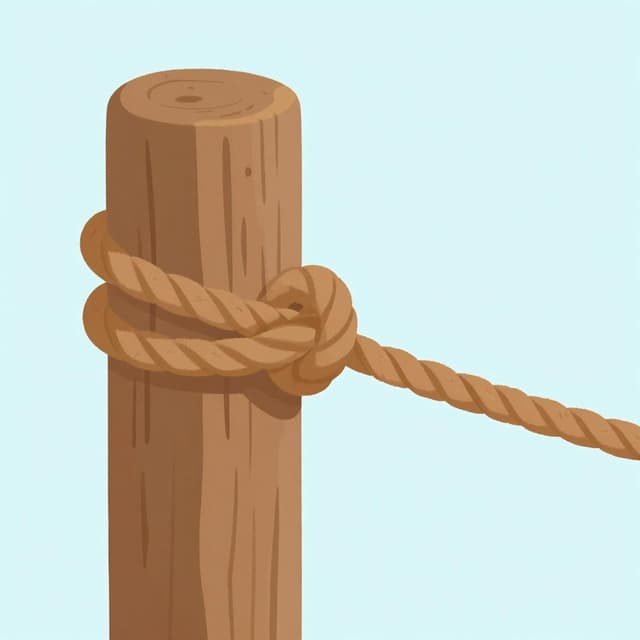
amarrar — to tie
The preterite of amarrar is regular: amarré, amarraste, amarró, amarraron, used for completed past actions.
Formy amarrar Czas przeszły prosty
Kiedy używać Czas przeszły prosty
Use the preterite to describe an action that was started and finished at a specific point in the past. Think of it as a snapshot of a completed event, like tying a specific knot once.
Uwagi dotyczące amarrar w czasie Czas przeszły prosty
Amarra is fully regular in the preterite. The nosotros form 'amarrámos' is identical to the present indicative 'amarrámos', so context is key.
Przykładowe zdania
Amarré los zapatos antes de salir.
I tied my shoes before leaving.
yo
¿Amarraste bien la cuerda al árbol?
Did you tie the rope well to the tree?
tú
El marinero amarró el barco al muelle.
The sailor tied the boat to the dock.
él/ella/usted
Amarraron las maletas al portaequipajes.
They tied the suitcases to the roof rack.
ellos/ellas/ustedes
Częste błędy
Błąd: Using the imperfect ('amarraba') instead of the preterite ('amarró') for a single, completed action.
Poprawnie: For a specific, finished event, use the preterite: 'Amarré la mochila ayer'.
Dlaczego: The imperfect describes ongoing or habitual past actions, not single completed ones.
Błąd: Forgetting the accent on 'amarró' (él/ella/usted) and 'amarré' (yo).
Poprawnie: Remember the written accents: 'amarró' and 'amarré'.
Dlaczego: The accent marks the stress on the final syllable and distinguishes these forms.
Opanuj hiszpańskie czasowniki w kontekście
Zapamiętywanie tabel to dopiero początek. Przeczytaj ponad 200 ilustrowanych i udźwiękowionych hiszpańskich historii, aby zobaczyć czasowniki takie jak 'amarrar' używane naturalnie — w czasach, których się uczysz.
Powiązane czasy
Czas teraźniejszy
yo: amarro
The present indicative of amarrar is amarro, amarras, amarra, amarrámos, amarráis, amarran, used for current or habitual actions.
Czas przeszły niedokonany
yo: amarraba
The imperfect of amarrar is amarraba, amarrabas, amarraba, amarrábamos, amarrabais, amarraban, used for ongoing or habitual past actions.
Czas przyszły
yo: amarraré
The future of amarrar is amarraré, amarrarás, amarrará, amarraremos, amarraréis, amarrarán, used for actions that will happen.
Tryb warunkowy
yo: amarraría
The conditional of amarrar is amarraría, amarrarías, amarraría, amarraríamos, amarraríais, amarrarían, used for hypotheticals and polite requests.
Tryb Subj. teraźniejszy
yo: amarre
The present subjunctive of amarrar is amarre, amarres, amarre, amarremos, amarréis, amarren, used after wishes, doubts, and emotions.
Tryb Subj. przeszły niedokonany
yo: amarrara
The imperfect subjunctive of amarrar has two forms (amarrara/amarrase) used for past hypotheticals and wishes.
Tryb rozkazujący (twierdzący)
yo: amarra
The imperative of amarrar uses regular -ar endings: amarra, amarre, amarremos, amarrad, amarren.
Tryb rozkazujący (przeczący)
yo: no amarres
Negative commands for amarrar use 'no' plus the present subjunctive: no amarres, no amarre, no amarremos, no amarréis, no amarren.