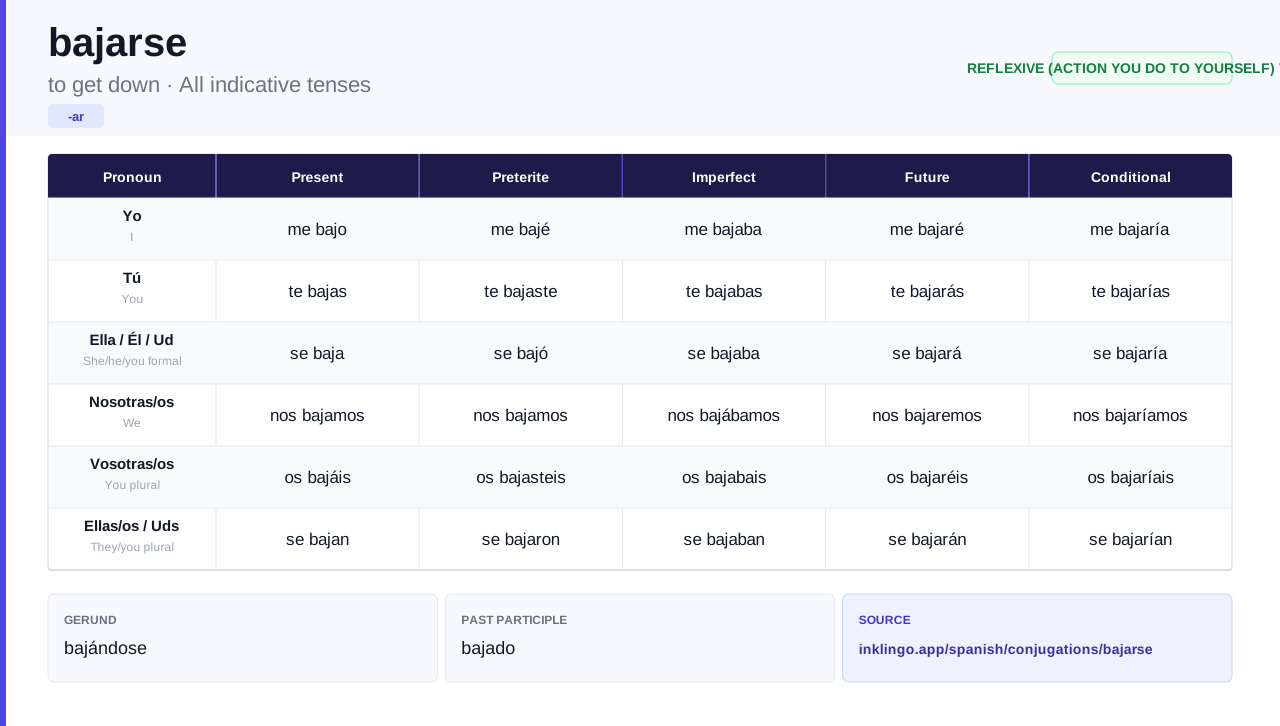
Koniugacja czasowników hiszpańskich
bajarseKoniugacja
reflexive (action you do to yourself)-ar9 czasów52 formy
Zobacz poniżej:
Kompletne tabele koniugacji
Odniesienie do wszystkich czasów i trybów
Subjunctive
Imperfect Subjunctive
yome bajara
túte bajaras
él/ella/ustedse bajara
nosotrosnos bajáramos
vosotrosos bajarais
ellos/ellas/ustedesse bajaran
Present Subjunctive
yome baje
túte bajes
él/ella/ustedse baje
nosotrosnos bajemos
vosotrosos bajéis
ellos/ellas/ustedesse bajen
Imperative
Negative Imperative
túno te bajes
ustedno se baje
nosotrosno nos bajemos
vosotrosno os bajéis
ustedesno se bajen
Imperative
túbájate
ustedbájese
nosotrosbajémonos
vosotrosbajaos
ustedesbájense
Indicative
Conditional
yome bajaría
túte bajarías
él/ella/ustedse bajaría
nosotrosnos bajaríamos
vosotrosos bajaríais
ellos/ellas/ustedesse bajarían
Preterite
yome bajé
túte bajaste
él/ella/ustedse bajó
nosotrosnos bajamos
vosotrosos bajasteis
ellos/ellas/ustedesse bajaron
Imperfect
yome bajaba
túte bajabas
él/ella/ustedse bajaba
nosotrosnos bajábamos
vosotrosos bajabais
ellos/ellas/ustedesse bajaban
Present
yome bajo
túte bajas
él/ella/ustedse baja
nosotrosnos bajamos
vosotrosos bajáis
ellos/ellas/ustedesse bajan
Future
yome bajaré
túte bajarás
él/ella/ustedse bajará
nosotrosnos bajaremos
vosotrosos bajaréis
ellos/ellas/ustedesse bajarán
Ćwicz koniugacje
Sprawdź swoją wiedzę za pomocą interaktywnych ćwiczeń
Przenieś bajarse z tabel do prawdziwego hiszpańskiego
Tabele koniugacji to dopiero początek. Przeczytaj ponad 200 ilustrowanych i udźwiękowionych hiszpańskich historii, aby zobaczyć 'bajarse' w akcji w prawdziwych zdaniach — i zbuduj instynkt, jaki mają rodzimi użytkownicy języka.
Często zadawane pytania
Czy bajarse to czasownik regularny czy nieregularny?
bajarse to czasownik reflexive (action you do to yourself) -ar w języku hiszpańskim.
Jak koniuguje się bajarse w czasie teraźniejszym?
Czas teraźniejszy bajarse to: yo me bajo, tú te bajas, él/ella/usted se baja, nosotros nos bajamos, vosotros os bajáis, ellos/ellas/ustedes se bajan.
Jak koniuguje się bajarse w czasie przeszłym dokonanym (preterite)?
Czas przeszły dokonany bajarse to: yo me bajé, tú te bajaste, él/ella/usted se bajó, nosotros nos bajamos, vosotros os bajasteis, ellos/ellas/ustedes se bajaron.
Darmowy materiał referencyjny do wydruku
bajarse ściągawka koniugacyjna