Koniugacja balancear Czas przeszły prosty
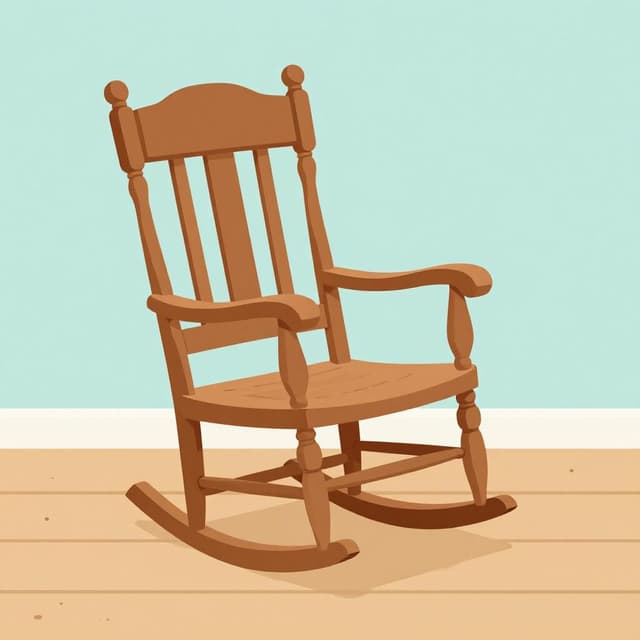
balancear — to rock
The preterite of balancear (balanceé, balanceaste, etc.) describes completed actions of rocking in the past.
Formy balancear Czas przeszły prosty
Kiedy używać Czas przeszły prosty
Use the preterite for completed actions of rocking that started and finished at a specific point in the past. For example, 'Ayer balanceé la silla por una hora' (Yesterday I rocked the chair for an hour) or 'Balancearon el bote hasta que llegaron a la orilla' (They rocked the boat until they reached the shore).
Uwagi dotyczące balancear w czasie Czas przeszły prosty
Balancear is regular in the preterite tense. The standard -ar verb endings apply: -é, -aste, -ó, -amos, -asteis, -aron.
Przykładowe zdania
Ayer balanceé la cuna hasta que se durmió.
Yesterday I rocked the crib until it fell asleep.
yo
¿Balanceaste el columpio lo suficiente?
Did you rock the swing enough?
tú
Él balanceó la silla de ruedas con cuidado.
He rocked the wheelchair carefully.
él/ella/usted
Balancearon la mesa para probarla.
They rocked the table to test it.
ellos/ellas/ustedes
Częste błędy
Błąd: Using the imperfect instead of the preterite for a single completed action.
Poprawnie: Use 'balanceó' for 'He rocked the boat once', not 'balanceaba'.
Dlaczego: The preterite marks a specific, finished event, while the imperfect describes ongoing or habitual past actions.
Błąd: Forgetting the accent on the 'yo' form.
Poprawnie: It should be 'balanceé', not 'balanceo'.
Dlaczego: The accent on the 'yo' preterite form is crucial to distinguish it from the present indicative and to indicate the stress.
Opanuj hiszpańskie czasowniki w kontekście
Zapamiętywanie tabel to dopiero początek. Przeczytaj ponad 200 ilustrowanych i udźwiękowionych hiszpańskich historii, aby zobaczyć czasowniki takie jak 'balancear' używane naturalnie — w czasach, których się uczysz.
Powiązane czasy
Czas teraźniejszy
yo: balanceo
The present tense of balancear (balanceo, balanceas, etc.) describes habitual or current rocking actions.
Czas przeszły niedokonany
yo: balanceaba
The imperfect of balancear (balanceaba, balanceabas, etc.) describes habitual or ongoing past rocking actions.
Czas przyszły
yo: balancearé
The future tense of balancear (balancearé, balancearás, etc.) indicates actions that will happen.
Tryb warunkowy
yo: balancearía
The conditional of balancear (balancearía, balancearías, etc.) expresses hypothetical actions ('would rock').
Tryb Subj. teraźniejszy
yo: balancee
The present subjunctive of balancear (balancee, balancees, etc.) is used for wishes, doubts, and suggestions.
Tryb Subj. przeszły niedokonany
yo: balanceara
The imperfect subjunctive of balancear (balanceara, balancearas, etc.) is used for past hypotheticals and wishes.
Tryb rozkazujący (twierdzący)
yo: balancea
Use imperative forms like 'balancea' (tú) and 'balancee' (usted) for direct commands with balancear.
Tryb rozkazujący (przeczący)
yo: no balancees
Use 'no balancees' (tú) or 'no balancee' (usted) for negative commands with balancear.