Koniugacja czasowników hiszpańskich
balarKoniugacja
regular-ar9 czasów52 formy
Zobacz poniżej:
Kompletne tabele koniugacji
Odniesienie do wszystkich czasów i trybów
Indicative
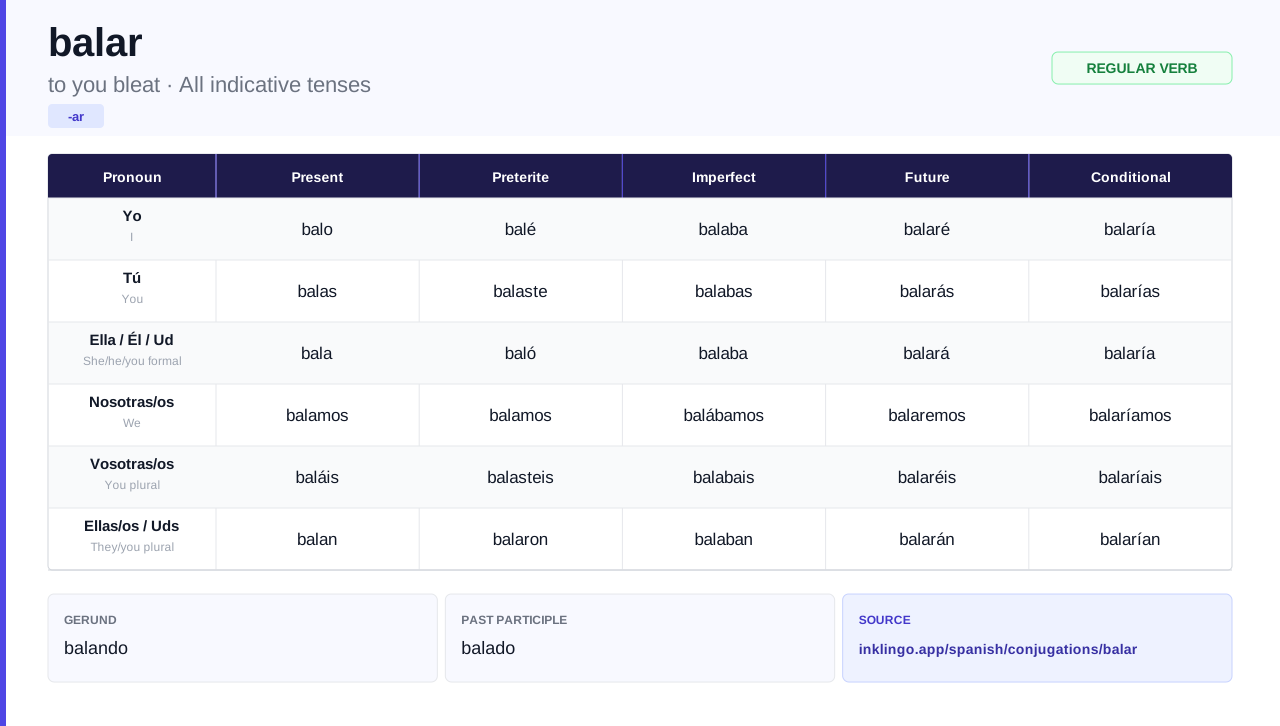
Present
yobalo
túbalas
él/ella/ustedbala
nosotrosbalamos
vosotrosbaláis
ellos/ellas/ustedesbalan
Future
yobalaré
túbalarás
él/ella/ustedbalará
nosotrosbalaremos
vosotrosbalaréis
ellos/ellas/ustedesbalarán
Imperfect
yobalaba
túbalabas
él/ella/ustedbalaba
nosotrosbalábamos
vosotrosbalabais
ellos/ellas/ustedesbalaban
Conditional
yobalaría
túbalarías
él/ella/ustedbalaría
nosotrosbalaríamos
vosotrosbalaríais
ellos/ellas/ustedesbalarían
Preterite
yobalé
túbalaste
él/ella/ustedbaló
nosotrosbalamos
vosotrosbalasteis
ellos/ellas/ustedesbalaron
Imperative
Negative Imperative
túno bales
ustedno bale
nosotrosno balemos
vosotrosno baléis
ustedesno balen
Imperative
túbala
ustedbale
nosotrosbalemos
vosotrosbalad
ustedesbalen
Subjunctive
Present Subjunctive
yobale
túbales
él/ella/ustedbale
nosotrosbalemos
vosotrosbaléis
ellos/ellas/ustedesbalen
Imperfect Subjunctive
yobalara
túbalaras
él/ella/ustedbalara
nosotrosbaláramos
vosotrosbalarais
ellos/ellas/ustedesbalaran
Ćwicz koniugacje
Sprawdź swoją wiedzę za pomocą interaktywnych ćwiczeń
Przenieś balar z tabel do prawdziwego hiszpańskiego
Tabele koniugacji to dopiero początek. Przeczytaj ponad 200 ilustrowanych i udźwiękowionych hiszpańskich historii, aby zobaczyć 'balar' w akcji w prawdziwych zdaniach — i zbuduj instynkt, jaki mają rodzimi użytkownicy języka.
Często zadawane pytania
Czy balar to czasownik regularny czy nieregularny?
balar to czasownik regular -ar w języku hiszpańskim.
Jak koniuguje się balar w czasie teraźniejszym?
Czas teraźniejszy balar to: yo balo, tú balas, él/ella/usted bala, nosotros balamos, vosotros baláis, ellos/ellas/ustedes balan.
Jak koniuguje się balar w czasie przeszłym dokonanym (preterite)?
Czas przeszły dokonany balar to: yo balé, tú balaste, él/ella/usted baló, nosotros balamos, vosotros balasteis, ellos/ellas/ustedes balaron.
Darmowy materiał referencyjny do wydruku
balar ściągawka koniugacyjna