Koniugacja casarse Czas przyszły
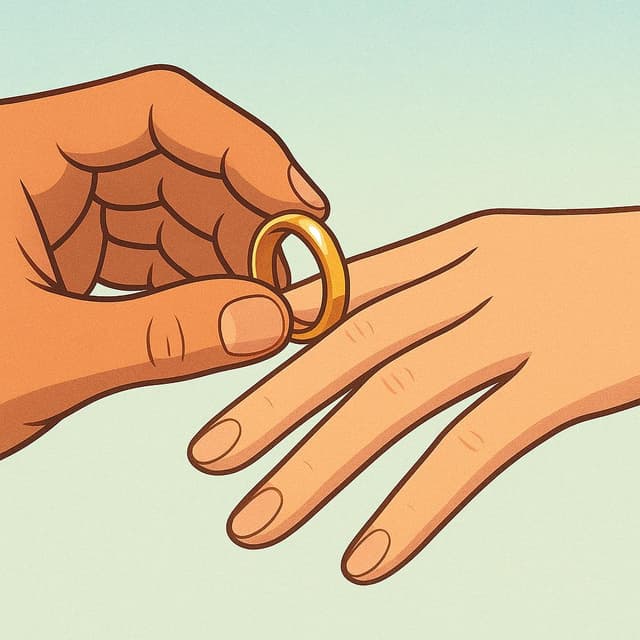
casarse — to get married
The future of casarse uses the infinitive as the stem: me casaré, te casarás, se casará, nos casaremos, os casaréis, se casarán.
Formy casarse Czas przyszły
Kiedy używać Czas przyszły
Use this for future plans or predictions about a wedding. It can also express probability in the present (e.g., 'I wonder if they are getting married?').
Uwagi dotyczące casarse w czasie Czas przyszły
Casarse is regular in the future. Ensure the reflexive pronoun is placed before the conjugated verb.
Przykładowe zdania
Nos casaremos el próximo verano en Italia.
We will get married next summer in Italy.
nosotros
¿Te casarás algún día?
Will you get married someday?
tú
Se casarán en una ceremonia pequeña.
They will get married in a small ceremony.
ellos/ellas/ustedes
Częste błędy
Błąd: Forgetting the written accent on the endings.
Poprawnie: casaré, casarás, casará, casarán
Dlaczego: The future tense requires accents on all forms except nosotros to indicate the stress is on the final syllable.
Opanuj hiszpańskie czasowniki w kontekście
Zapamiętywanie tabel to dopiero początek. Przeczytaj ponad 200 ilustrowanych i udźwiękowionych hiszpańskich historii, aby zobaczyć czasowniki takie jak 'casarse' używane naturalnie — w czasach, których się uczysz.
Powiązane czasy
Czas teraźniejszy
yo: me caso
The present tense of casarse is regular: me caso, te casas, se casa, nos casamos, os casáis, se casan.
Czas przeszły prosty
yo: me casé
The preterite of casarse is regular: me casé, te casaste, se casó, nos casamos, os casasteis, se casaron.
Czas przeszły niedokonany
yo: me casaba
The imperfect of casarse is regular and follows the -ar pattern: me casaba, te casabas, se casaba, nos casábamos, os casabais, se casaban.
Tryb warunkowy
yo: me casaría
The conditional of casarse is regular: me casaría, te casarías, se casaría, nos casaríamos, os casaríais, se casarían.
Tryb Subj. teraźniejszy
yo: me case
The present subjunctive of casarse is regular: me case, te cases, se case, nos casemos, os caséis, se casen.
Tryb Subj. przeszły niedokonany
yo: me casara
The imperfect subjunctive of casarse uses the -ra endings: me casara, te casaras, se casara, nos casáramos, os casarais, se casaran.
Tryb rozkazujący (twierdzący)
yo: cásate
The affirmative imperative of casarse attaches pronouns to the end: cásate, cásese, casémonos, casaos, cásense.
Tryb rozkazujący (przeczący)
yo: no te cases
The negative imperative of casarse uses the present subjunctive: no te cases, no se case, no nos casemos, no os caséis, no se casen.