Koniugacja casarse Czas przeszły prosty
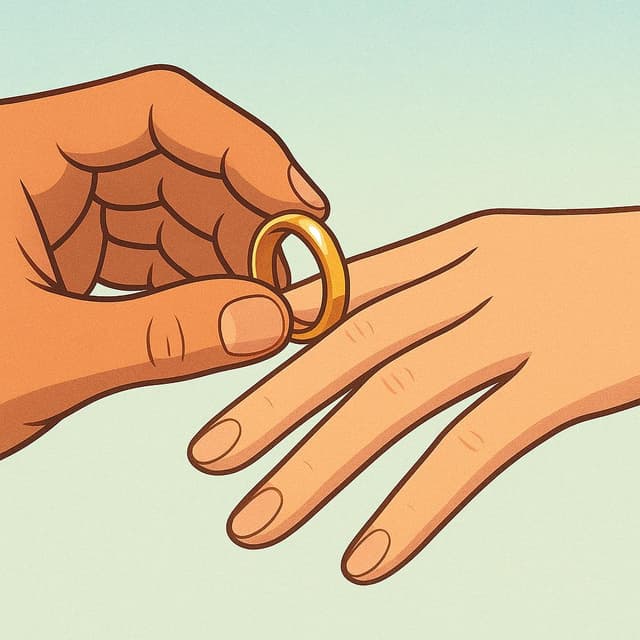
casarse — to get married
The preterite of casarse is regular: me casé, te casaste, se casó, nos casamos, os casasteis, se casaron.
Formy casarse Czas przeszły prosty
Kiedy używać Czas przeszły prosty
Use the preterite for the specific event of the wedding itself. Since a wedding is a completed action with a specific date, this is the most common tense for this verb.
Uwagi dotyczące casarse w czasie Czas przeszły prosty
The verb is regular. Note that 'nos casamos' is the same in both present and preterite; context will tell you if it happened today or years ago.
Przykładowe zdania
Me casé con mi mejor amigo en 2010.
I married my best friend in 2010.
yo
Se casaron por lo civil el viernes pasado.
They had a civil wedding last Friday.
ellos/ellas/ustedes
¿Cuándo se casó tu hermana?
When did your sister get married?
él/ella/usted
Częste błędy
Błąd: Saying 'Me casé con él' vs 'Me casé a él'.
Poprawnie: Casarse con...
Dlaczego: In Spanish, you always marry 'with' (con) someone, never 'to' (a) someone like in English.
Opanuj hiszpańskie czasowniki w kontekście
Zapamiętywanie tabel to dopiero początek. Przeczytaj ponad 200 ilustrowanych i udźwiękowionych hiszpańskich historii, aby zobaczyć czasowniki takie jak 'casarse' używane naturalnie — w czasach, których się uczysz.
Powiązane czasy
Czas teraźniejszy
yo: me caso
The present tense of casarse is regular: me caso, te casas, se casa, nos casamos, os casáis, se casan.
Czas przeszły niedokonany
yo: me casaba
The imperfect of casarse is regular and follows the -ar pattern: me casaba, te casabas, se casaba, nos casábamos, os casabais, se casaban.
Czas przyszły
yo: me casaré
The future of casarse uses the infinitive as the stem: me casaré, te casarás, se casará, nos casaremos, os casaréis, se casarán.
Tryb warunkowy
yo: me casaría
The conditional of casarse is regular: me casaría, te casarías, se casaría, nos casaríamos, os casaríais, se casarían.
Tryb Subj. teraźniejszy
yo: me case
The present subjunctive of casarse is regular: me case, te cases, se case, nos casemos, os caséis, se casen.
Tryb Subj. przeszły niedokonany
yo: me casara
The imperfect subjunctive of casarse uses the -ra endings: me casara, te casaras, se casara, nos casáramos, os casarais, se casaran.
Tryb rozkazujący (twierdzący)
yo: cásate
The affirmative imperative of casarse attaches pronouns to the end: cásate, cásese, casémonos, casaos, cásense.
Tryb rozkazujący (przeczący)
yo: no te cases
The negative imperative of casarse uses the present subjunctive: no te cases, no se case, no nos casemos, no os caséis, no se casen.