Koniugacja czasowników hiszpańskich
celarKoniugacja
9 czasów52 formy
Zobacz poniżej:
Kompletne tabele koniugacji
Odniesienie do wszystkich czasów i trybów
Subjunctive
Imperfect Subjunctive
yocelara
túcelaras
él/ella/ustedcelara
nosotrosceláramos
vosotroscelarais
ellos/ellas/ustedescelaran
Present Subjunctive
yocele
túceles
él/ella/ustedcele
nosotroscelemos
vosotrosceléis
ellos/ellas/ustedescelen
Imperative
Negative Imperative
túno celes
ustedno cele
nosotrosno celemos
vosotrosno celéis
ustedesno celen
Imperative
túcela
ustedcele
nosotroscelemos
vosotroscelad
ustedescelen
Indicative
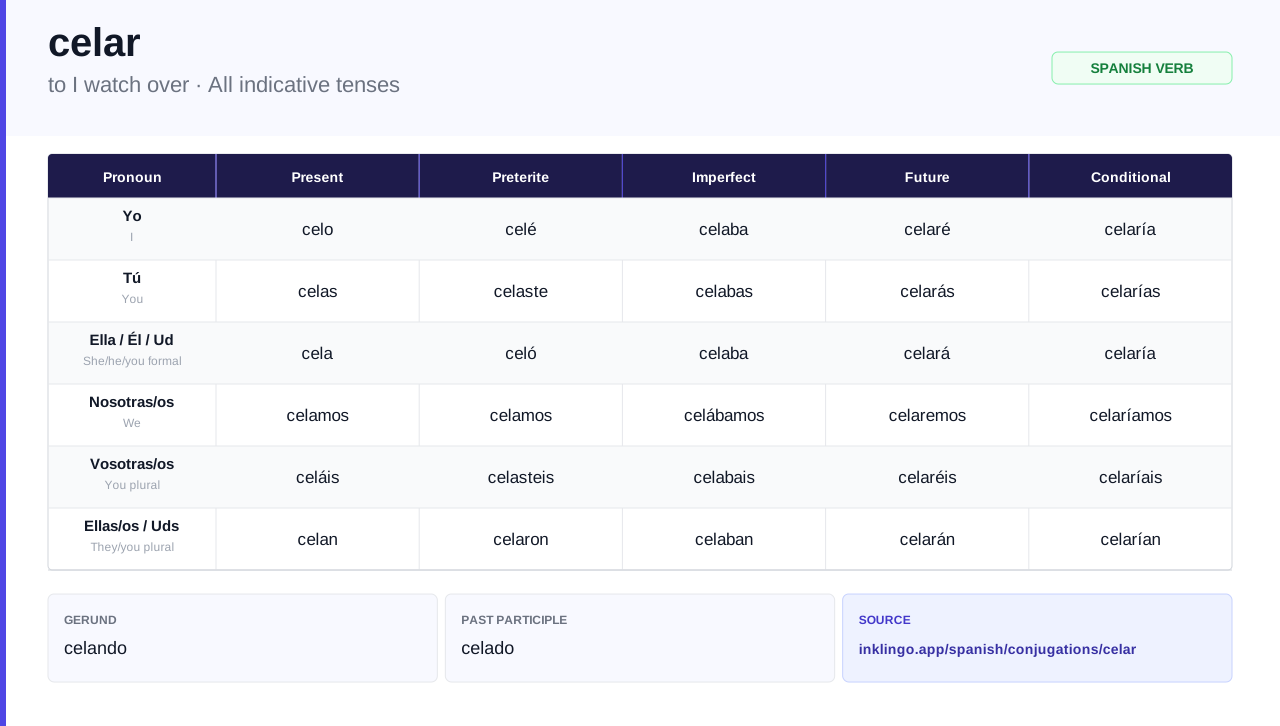
Conditional
yocelaría
túcelarías
él/ella/ustedcelaría
nosotroscelaríamos
vosotroscelaríais
ellos/ellas/ustedescelarían
Preterite
yocelé
túcelaste
él/ella/ustedceló
nosotroscelamos
vosotroscelasteis
ellos/ellas/ustedescelaron
Imperfect
yocelaba
túcelabas
él/ella/ustedcelaba
nosotroscelábamos
vosotroscelabais
ellos/ellas/ustedescelaban
Present
yocelo
túcelas
él/ella/ustedcela
nosotroscelamos
vosotrosceláis
ellos/ellas/ustedescelan
Future
yocelaré
túcelarás
él/ella/ustedcelará
nosotroscelaremos
vosotroscelaréis
ellos/ellas/ustedescelarán
Ćwicz koniugacje
Sprawdź swoją wiedzę za pomocą interaktywnych ćwiczeń
Przenieś celar z tabel do prawdziwego hiszpańskiego
Tabele koniugacji to dopiero początek. Przeczytaj ponad 200 ilustrowanych i udźwiękowionych hiszpańskich historii, aby zobaczyć 'celar' w akcji w prawdziwych zdaniach — i zbuduj instynkt, jaki mają rodzimi użytkownicy języka.
Często zadawane pytania
Jak koniuguje się celar w czasie teraźniejszym?
Czas teraźniejszy celar to: yo celo, tú celas, él/ella/usted cela, nosotros celamos, vosotros celáis, ellos/ellas/ustedes celan.
Jak koniuguje się celar w czasie przeszłym dokonanym (preterite)?
Czas przeszły dokonany celar to: yo celé, tú celaste, él/ella/usted celó, nosotros celamos, vosotros celasteis, ellos/ellas/ustedes celaron.
Darmowy materiał referencyjny do wydruku
celar ściągawka koniugacyjna