Koniugacja clavar Tryb rozkazujący (przeczący)
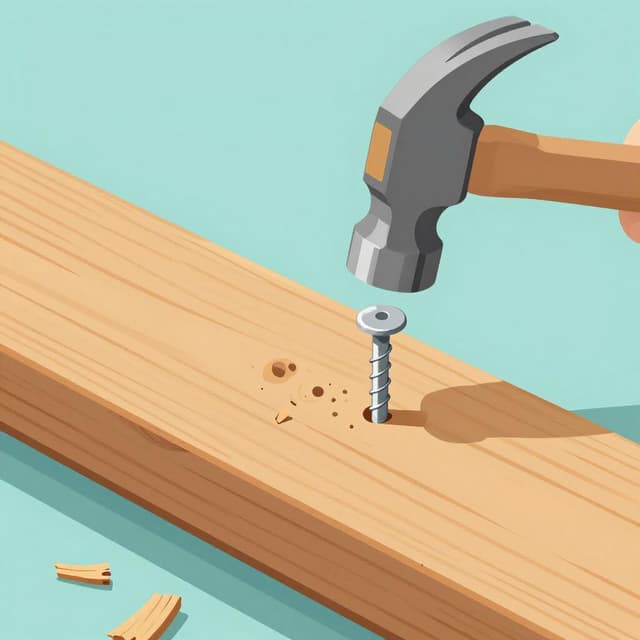
clavar — to nail
Use 'no claves' (tú), 'no clave' (usted), 'no clavemos' (nosotros), 'no claven' (ustedes), 'no clavéis' (vosotros) for negative commands with clavar.
Formy clavar Tryb rozkazujący (przeczący)
Kiedy używać Tryb rozkazujący (przeczący)
This form is used to tell someone NOT to do something. For 'clavar', you might say 'Don't nail that there' or 'Don't nail it too hard'.
Uwagi dotyczące clavar w czasie Tryb rozkazujący (przeczący)
Negative commands in Spanish are formed using the present subjunctive. Clavar is regular in the present subjunctive, so its negative imperative forms are straightforward.
Przykładowe zdania
No claves ese clavo tan cerca del borde.
Don't nail that nail so close to the edge.
tú
Por favor, no clave la tabla ahí.
Please, don't nail the board there.
usted
No claven la madera todavía, esperen mi señal.
Don't nail the wood yet, wait for my signal.
ustedes
No clavéis los clavos con tanta fuerza.
Don't hammer the nails with so much force.
vosotros
Częste błędy
Błąd: Using the affirmative imperative form with 'no', like 'No clava'.
Poprawnie: Negative commands always use the subjunctive mood: 'No claves'.
Dlaczego: The structure for negative commands is different from affirmative ones.
Błąd: Confusing the 'vosotros' form, writing 'no claven' instead of 'no clavéis'.
Poprawnie: The correct vosotros negative imperative is 'no clavéis'.
Dlaczego: The vosotros subjunctive form ends in -éis for -ar verbs.
Opanuj hiszpańskie czasowniki w kontekście
Zapamiętywanie tabel to dopiero początek. Przeczytaj ponad 200 ilustrowanych i udźwiękowionych hiszpańskich historii, aby zobaczyć czasowniki takie jak 'clavar' używane naturalnie — w czasach, których się uczysz.
Powiązane czasy
Czas teraźniejszy
yo: clavo
Use 'clavo' (yo), 'clavas' (tú), 'clava' (él/ella/usted), 'clavamos' (nosotros), 'claváis' (vosotros), 'clavan' (ellos/ellas/ustedes) for habitual actions, things happening now, or general truths with clavar.
Czas przeszły prosty
yo: clavé
Use 'clavé' (yo), 'clavaste' (tú), 'clavó' (él/ella/usted), 'clavamos' (nosotros), 'clavasteis' (vosotros), 'clavaron' (ellos/ellas/ustedes) for completed actions in the past with clavar.
Czas przeszły niedokonany
yo: clavaba
Use 'clavaba' (yo/él/ella/usted), 'clavabas' (tú), 'clavábamos' (nosotros), 'clavabais' (vosotros), 'clavaban' (ellos/ellas/ustedes) for ongoing or habitual past actions with clavar.
Czas przyszły
yo: clavaré
Use 'clavaré' (yo), 'clavarás' (tú), 'clavará' (él/ella/usted), 'claremos' (nosotros), 'clararéis' (vosotros), 'clararán' (ellos/ellas/ustedes) for actions that will happen in the future with clavar.
Tryb warunkowy
yo: clavaría
Use 'clavaría' (yo/él/ella/usted), 'clavarías' (tú), 'clavaríamos' (nosotros), 'clavaríais' (vosotros), 'clavarían' (ellos/ellas/ustedes) for hypothetical situations ('would') or polite requests with clavar.
Tryb Subj. teraźniejszy
yo: clave
Use 'clava' (yo/él/ella/usted), 'clavas' (tú), 'clavemos' (nosotros), 'claven' (ellos/ellas/ustedes), 'clavéis' (vosotros) after expressions of doubt, desire, emotion, or uncertainty with clavar.
Tryb Subj. przeszły niedokonany
yo: clavara
Use 'clavara' or 'clavase' (yo/él/ella/usted), 'clavaras' or 'clavases' (tú), 'claváramos' or 'clavásemos' (nosotros), 'clavaran' or 'clavasen' (ellos/ellas/ustedes), 'clavarais' or 'clavaseis' (vosotros) for past hypothetical situations or wishes with clavar.
Tryb rozkazujący (twierdzący)
yo: clava
Use 'clava' (tú), 'clave' (usted), 'clavemos' (nosotros), 'claven' (ustedes), 'clavad' (vosotros) for direct commands with clavar.