Koniugacja clavar Tryb Subj. teraźniejszy
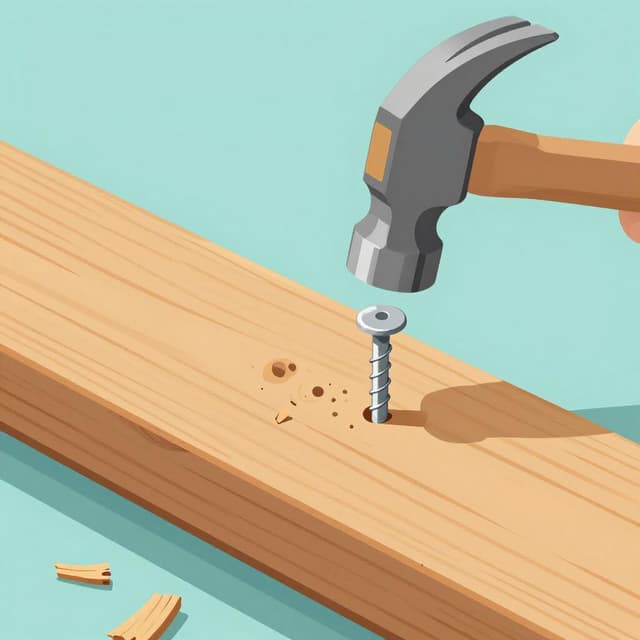
clavar — to nail
Use 'clava' (yo/él/ella/usted), 'clavas' (tú), 'clavemos' (nosotros), 'claven' (ellos/ellas/ustedes), 'clavéis' (vosotros) after expressions of doubt, desire, emotion, or uncertainty with clavar.
Formy clavar Tryb Subj. teraźniejszy
Kiedy używać Tryb Subj. teraźniejszy
The present subjunctive is used when there's uncertainty, emotion, or a desire involved. For 'clavar', you might say 'I doubt they will nail it correctly' or 'I hope you nail the target'.
Uwagi dotyczące clavar w czasie Tryb Subj. teraźniejszy
Clavar is regular in the present subjunctive. The forms are derived from the 'yo' form of the present indicative ('clavo'), dropping the -o and adding the opposite vowel endings.
Przykładowe zdania
Espero que claves bien el clavo.
I hope you nail the nail well.
tú
Dudo que él clave la estaca en el suelo.
I doubt he will nail the stake into the ground.
él/ella/usted
Queremos que todos claven la bandera al mismo tiempo.
We want everyone to nail the flag at the same time.
ellos/ellas/ustedes
No creo que nosotros clavemos el punto exacto.
I don't think we will hit the exact spot.
nosotros
Częste błędy
Błąd: Using the indicative instead of the subjunctive after verbs of doubt or desire.
Poprawnie: After phrases like 'dudo que' or 'espero que', you need the subjunctive: 'Dudo que clave' not 'Dudo que clava'.
Dlaczego: Certain trigger phrases require the subjunctive mood to express non-factuality.
Błąd: Confusing 'clavo' (yo, present indicative) with 'clavo' (yo, present subjunctive).
Poprawnie: While the form is the same, the context dictates the mood. 'Yo clavo' is a statement of fact; 'Espero que yo clavo' is incorrect, it should be 'Espero que clave'.
Dlaczego: The subjunctive is used for wishes, doubts, etc., while the indicative states facts.
Opanuj hiszpańskie czasowniki w kontekście
Zapamiętywanie tabel to dopiero początek. Przeczytaj ponad 200 ilustrowanych i udźwiękowionych hiszpańskich historii, aby zobaczyć czasowniki takie jak 'clavar' używane naturalnie — w czasach, których się uczysz.
Powiązane czasy
Czas teraźniejszy
yo: clavo
Use 'clavo' (yo), 'clavas' (tú), 'clava' (él/ella/usted), 'clavamos' (nosotros), 'claváis' (vosotros), 'clavan' (ellos/ellas/ustedes) for habitual actions, things happening now, or general truths with clavar.
Czas przeszły prosty
yo: clavé
Use 'clavé' (yo), 'clavaste' (tú), 'clavó' (él/ella/usted), 'clavamos' (nosotros), 'clavasteis' (vosotros), 'clavaron' (ellos/ellas/ustedes) for completed actions in the past with clavar.
Czas przeszły niedokonany
yo: clavaba
Use 'clavaba' (yo/él/ella/usted), 'clavabas' (tú), 'clavábamos' (nosotros), 'clavabais' (vosotros), 'clavaban' (ellos/ellas/ustedes) for ongoing or habitual past actions with clavar.
Czas przyszły
yo: clavaré
Use 'clavaré' (yo), 'clavarás' (tú), 'clavará' (él/ella/usted), 'claremos' (nosotros), 'clararéis' (vosotros), 'clararán' (ellos/ellas/ustedes) for actions that will happen in the future with clavar.
Tryb warunkowy
yo: clavaría
Use 'clavaría' (yo/él/ella/usted), 'clavarías' (tú), 'clavaríamos' (nosotros), 'clavaríais' (vosotros), 'clavarían' (ellos/ellas/ustedes) for hypothetical situations ('would') or polite requests with clavar.
Tryb Subj. przeszły niedokonany
yo: clavara
Use 'clavara' or 'clavase' (yo/él/ella/usted), 'clavaras' or 'clavases' (tú), 'claváramos' or 'clavásemos' (nosotros), 'clavaran' or 'clavasen' (ellos/ellas/ustedes), 'clavarais' or 'clavaseis' (vosotros) for past hypothetical situations or wishes with clavar.
Tryb rozkazujący (twierdzący)
yo: clava
Use 'clava' (tú), 'clave' (usted), 'clavemos' (nosotros), 'claven' (ustedes), 'clavad' (vosotros) for direct commands with clavar.
Tryb rozkazujący (przeczący)
yo: no claves
Use 'no claves' (tú), 'no clave' (usted), 'no clavemos' (nosotros), 'no claven' (ustedes), 'no clavéis' (vosotros) for negative commands with clavar.