Koniugacja coleccionar Tryb warunkowy
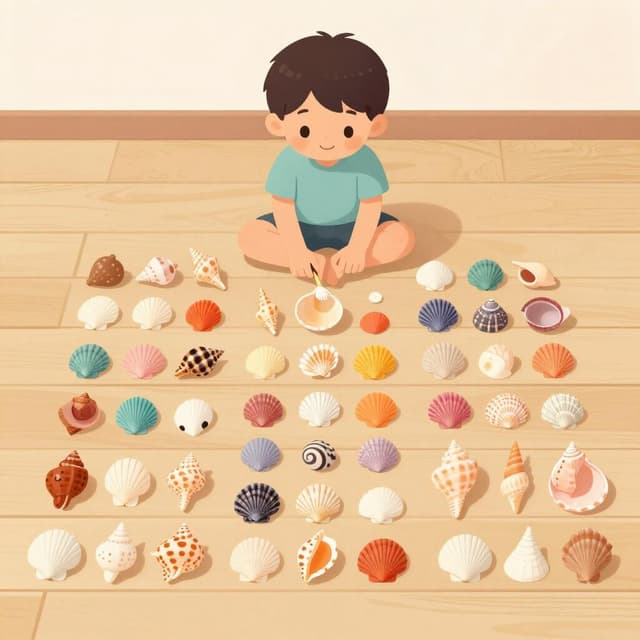
coleccionar — to collect
Hypothetical/polite: 'Yo coleccionaría' (I would collect), 'Ellos coleccionarían' (They would collect).
Formy coleccionar Tryb warunkowy
Kiedy używać Tryb warunkowy
Use the conditional tense for hypothetical situations ('what would happen if...'), polite requests, or to express future actions from a past perspective.
Uwagi dotyczące coleccionar w czasie Tryb warunkowy
Coleccionar is regular in the conditional tense. The conditional stem is the infinitive 'coleccionar', and the standard conditional endings are added.
Przykładowe zdania
Yo coleccionaría coches antiguos si tuviera espacio.
I would collect old cars if I had space.
yo
¿Tú coleccionarías las figuras de edición limitada?
Would you collect the limited edition figures?
tú
Él coleccionaría sellos si fueran más baratos.
He would collect stamps if they were cheaper.
él/ella/usted
Ellos coleccionarían más arte si tuvieran más dinero.
They would collect more art if they had more money.
ellos/ellas/ustedes
Częste błędy
Błąd: Using the conditional for a definite future action.
Poprawnie: For definite future actions, use the future tense: 'Coleccionaré más sellos'. Use conditional for hypotheticals: 'Coleccionaría más sellos si...'.
Dlaczego: The conditional implies uncertainty or a hypothetical scenario, not a planned or certain future event.
Błąd: Confusing conditional endings with imperfect endings.
Poprawnie: Conditional endings are '-ía', '-ías', '-ía', '-íamos', '-íais', '-ían'. They have an accent on the 'i'.
Dlaczego: The endings are similar to the imperfect, but the presence of the 'i' and the accent are crucial differentiators.
Opanuj hiszpańskie czasowniki w kontekście
Zapamiętywanie tabel to dopiero początek. Przeczytaj ponad 200 ilustrowanych i udźwiękowionych hiszpańskich historii, aby zobaczyć czasowniki takie jak 'coleccionar' używane naturalnie — w czasach, których się uczysz.
Powiązane czasy
Czas teraźniejszy
yo: colecciono
Current actions/habits: 'Yo colecciono' (I collect), 'Ellos coleccionan' (They collect).
Czas przeszły prosty
yo: coleccioné
Completed action: 'Yo coleccioné' (I collected), 'Ellos coleccionaron' (They collected).
Czas przeszły niedokonany
yo: coleccionaba
Past ongoing/habitual actions: 'Yo coleccionaba' (I used to collect), 'Ellos coleccionaban' (They used to collect).
Czas przyszły
yo: coleccionaré
Future actions: 'Yo coleccionaré' (I will collect), 'Ellos coleccionarán' (They will collect).
Tryb Subj. teraźniejszy
yo: coleccione
Present subjunctive: 'Espero que colecciones...' (I hope you collect...).
Tryb Subj. przeszły niedokonany
yo: coleccionara
Past subjunctive: 'Si coleccionara...' (If I were to collect...).
Tryb rozkazujący (twierdzący)
yo: colecciona
Commands like '¡Colecciona!' or '¡Coleccionad!' for 'collect'.
Tryb rozkazujący (przeczący)
yo: no colecciones
Negative commands: '¡No colecciones!' or '¡No coleccionen!' for 'don't collect'.