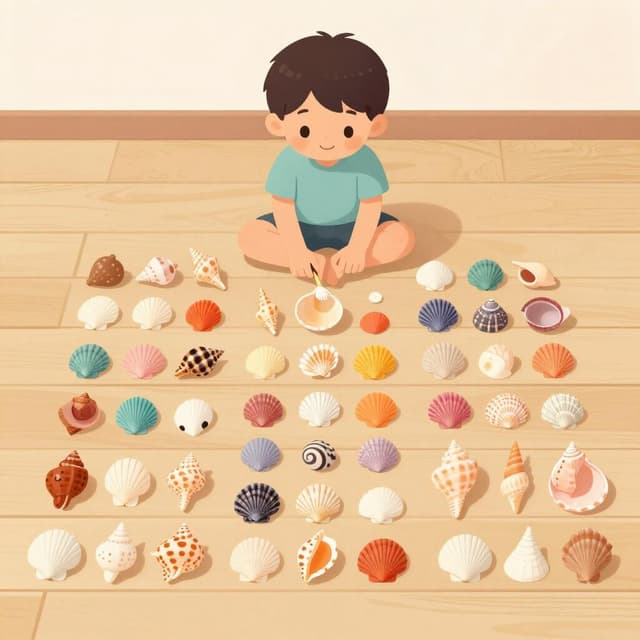
Koniugacja coleccionar Czas przyszły
coleccionar — to collect
Future actions: 'Yo coleccionaré' (I will collect), 'Ellos coleccionarán' (They will collect).
Formy coleccionar Czas przyszły
Kiedy używać Czas przyszły
Use the future tense to talk about actions that will happen later. It can also express probability or conjecture about the present.
Uwagi dotyczące coleccionar w czasie Czas przyszły
Coleccionar is regular in the future tense. The future stem is the infinitive 'coleccionar', and the standard future endings are added.
Przykładowe zdania
Yo coleccionaré más figuras de este videojuego.
I will collect more figures from this video game.
yo
¿Tú coleccionarás todas las ediciones?
Will you collect all the editions?
tú
Él coleccionará los discos que le faltan.
He will collect the records he is missing.
él/ella/usted
Ellos coleccionarán los resultados del estudio.
They will collect the results of the study.
ellos/ellas/ustedes
Częste błędy
Błąd: Using the present tense instead of the future.
Poprawnie: For a definite future action, use the future tense: 'Coleccionaré los sellos mañana', not 'Colecciono los sellos mañana'.
Dlaczego: The present tense usually refers to current actions, while the future tense specifically indicates events yet to occur.
Błąd: Confusing future endings with present endings.
Poprawnie: Remember the future endings: '-é', '-ás', '-á', '-emos', '-éis', '-án'.
Dlaczego: These endings are distinct from present tense endings and must be applied to the future stem (the infinitive).
Opanuj hiszpańskie czasowniki w kontekście
Zapamiętywanie tabel to dopiero początek. Przeczytaj ponad 200 ilustrowanych i udźwiękowionych hiszpańskich historii, aby zobaczyć czasowniki takie jak 'coleccionar' używane naturalnie — w czasach, których się uczysz.
Powiązane czasy
Czas teraźniejszy
yo: colecciono
Current actions/habits: 'Yo colecciono' (I collect), 'Ellos coleccionan' (They collect).
Czas przeszły prosty
yo: coleccioné
Completed action: 'Yo coleccioné' (I collected), 'Ellos coleccionaron' (They collected).
Czas przeszły niedokonany
yo: coleccionaba
Past ongoing/habitual actions: 'Yo coleccionaba' (I used to collect), 'Ellos coleccionaban' (They used to collect).
Tryb warunkowy
yo: coleccionaría
Hypothetical/polite: 'Yo coleccionaría' (I would collect), 'Ellos coleccionarían' (They would collect).
Tryb Subj. teraźniejszy
yo: coleccione
Present subjunctive: 'Espero que colecciones...' (I hope you collect...).
Tryb Subj. przeszły niedokonany
yo: coleccionara
Past subjunctive: 'Si coleccionara...' (If I were to collect...).
Tryb rozkazujący (twierdzący)
yo: colecciona
Commands like '¡Colecciona!' or '¡Coleccionad!' for 'collect'.
Tryb rozkazujący (przeczący)
yo: no colecciones
Negative commands: '¡No colecciones!' or '¡No coleccionen!' for 'don't collect'.