Koniugacja colgar Tryb rozkazujący (twierdzący)
colgar — to hang
Use 'cuelga' for friends and 'cuelgue' for formal situations.
Formy colgar Tryb rozkazujący (twierdzący)
Kiedy używać Tryb rozkazujący (twierdzący)
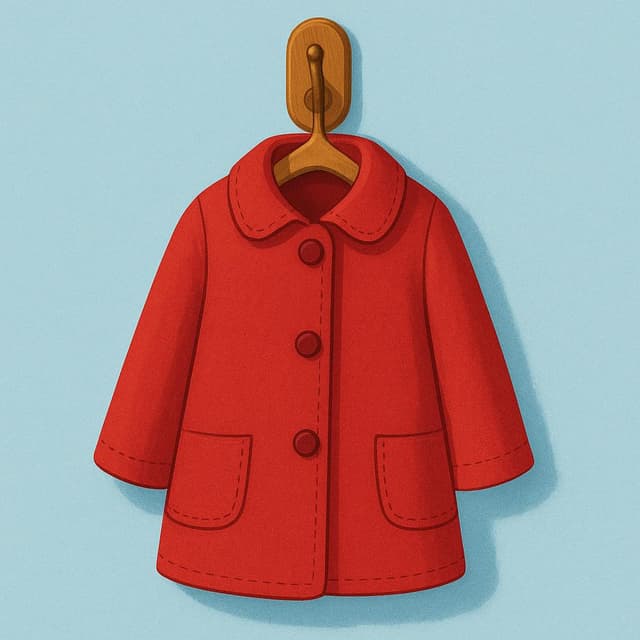
Use this to give direct orders, like telling someone to hang up their coat or hang a picture on the wall.
Uwagi dotyczące colgar w czasie Tryb rozkazujący (twierdzący)
The 'tú' form uses the present indicative 'él' form (cuelga). Formal forms and 'nosotros' use the subjunctive stems (cuelgue, colguemos).
Przykładowe zdania
¡Cuelga tu chaqueta en el perchero!
Hang your jacket on the coat rack!
tú
Cuelgue usted el cuadro aquí, por favor.
Hang the painting here, please (formal).
Colguemos las decoraciones antes de que lleguen.
Let's hang the decorations before they arrive.
nosotros
Częste błędy
Błąd: colga (tú)
Poprawnie: cuelga
Dlaczego: The informal 'tú' command requires the o>ue stem change.
Opanuj hiszpańskie czasowniki w kontekście
Zapamiętywanie tabel to dopiero początek. Przeczytaj ponad 200 ilustrowanych i udźwiękowionych hiszpańskich historii, aby zobaczyć czasowniki takie jak 'colgar' używane naturalnie — w czasach, których się uczysz.
Powiązane czasy
Czas teraźniejszy
yo: cuelgo
Colgar is an o>ue stem-changer (cuelgo, cuelgas) in all forms except nosotros and vosotros.
Czas przeszły prosty
yo: colgué
Colgar has a spelling change in the 'yo' form (colgué) to keep the hard 'g' sound, but is otherwise regular.
Czas przeszły niedokonany
yo: colgaba
The imperfect of colgar is regular: colgaba, colgabas, colgaba, colgábamos, colgabais, colgaban.
Czas przyszły
yo: colgaré
The future tense of colgar is completely regular: colgaré, colgarás, colgará, etc.
Tryb warunkowy
yo: colgaría
The conditional is regular: colgaría, colgarías, colgaría, colgaríamos, colgaríais, colgarían.
Tryb Subj. teraźniejszy
yo: cuelgue
The present subjunctive features both the o>ue stem change and the g>gu spelling change (cuelgue).
Tryb Subj. przeszły niedokonany
yo: colgara
The imperfect subjunctive is regular based on the preterite stem: colgara, colgaras, colgara...
Tryb rozkazujący (przeczący)
yo: no cuelgues
Negative commands always use the present subjunctive: no cuelgues, no cuelgue, no colguemos.