Koniugacja colgar Czas przeszły niedokonany
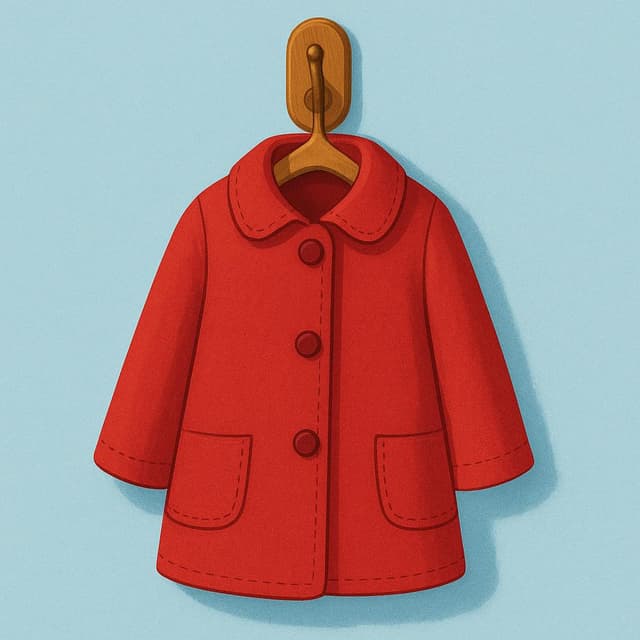
colgar — to hang
The imperfect of colgar is regular: colgaba, colgabas, colgaba, colgábamos, colgabais, colgaban.
Formy colgar Czas przeszły niedokonany
Kiedy używać Czas przeszły niedokonany
Use the imperfect to describe where things used to hang or a situation where you were in the middle of hanging something when something else happened.
Uwagi dotyczące colgar w czasie Czas przeszły niedokonany
Colgar is a regular -ar verb in the imperfect. There are no stem changes or spelling shifts here.
Przykładowe zdania
De niño, yo colgaba mis dibujos en la nevera.
As a child, I used to hang my drawings on the fridge.
yo
Antes, la gente colgaba la ropa afuera.
Before, people used to hang clothes outside.
él/ella/usted
Colgábamos el cartel cuando empezó a llover.
We were hanging the poster when it started to rain.
nosotros
Częste błędy
Błąd: colgabamos
Poprawnie: colgábamos
Dlaczego: The nosotros form of all -ar verbs in the imperfect must have an accent on the first 'a'.
Opanuj hiszpańskie czasowniki w kontekście
Zapamiętywanie tabel to dopiero początek. Przeczytaj ponad 200 ilustrowanych i udźwiękowionych hiszpańskich historii, aby zobaczyć czasowniki takie jak 'colgar' używane naturalnie — w czasach, których się uczysz.
Powiązane czasy
Czas teraźniejszy
yo: cuelgo
Colgar is an o>ue stem-changer (cuelgo, cuelgas) in all forms except nosotros and vosotros.
Czas przeszły prosty
yo: colgué
Colgar has a spelling change in the 'yo' form (colgué) to keep the hard 'g' sound, but is otherwise regular.
Czas przyszły
yo: colgaré
The future tense of colgar is completely regular: colgaré, colgarás, colgará, etc.
Tryb warunkowy
yo: colgaría
The conditional is regular: colgaría, colgarías, colgaría, colgaríamos, colgaríais, colgarían.
Tryb Subj. teraźniejszy
yo: cuelgue
The present subjunctive features both the o>ue stem change and the g>gu spelling change (cuelgue).
Tryb Subj. przeszły niedokonany
yo: colgara
The imperfect subjunctive is regular based on the preterite stem: colgara, colgaras, colgara...
Tryb rozkazujący (twierdzący)
yo: cuelga
Use 'cuelga' for friends and 'cuelgue' for formal situations.
Tryb rozkazujący (przeczący)
yo: no cuelgues
Negative commands always use the present subjunctive: no cuelgues, no cuelgue, no colguemos.