Koniugacja colgar Czas przeszły prosty
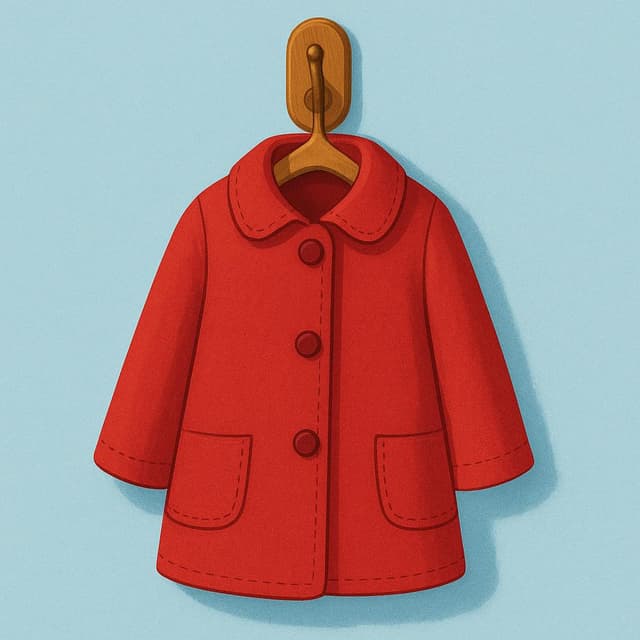
colgar — to hang
Colgar has a spelling change in the 'yo' form (colgué) to keep the hard 'g' sound, but is otherwise regular.
Formy colgar Czas przeszły prosty
Kiedy używać Czas przeszły prosty
Use the preterite when you finished hanging something up or hung up the phone at a specific moment in the past.
Uwagi dotyczące colgar w czasie Czas przeszły prosty
This is a 'gar' verb. In the 'yo' form, the 'g' changes to 'gu' before 'é' (colgué) so it doesn't sound like 'col-hay'. All other forms are regular.
Przykładowe zdania
Colgué el cuadro en la sala ayer.
I hung the painting in the living room yesterday.
yo
Ella me colgó el teléfono en la cara.
She hung up the phone in my face.
él/ella/usted
¿Colgaron la ropa limpia?
Did they hang up the clean clothes?
ellos/ellas/ustedes
Częste błędy
Błąd: yo colgé
Poprawnie: yo colgué
Dlaczego: Without the 'u', the 'g' sounds like an 'h'. You need 'gu' to keep the hard 'g' sound from the infinitive.
Opanuj hiszpańskie czasowniki w kontekście
Zapamiętywanie tabel to dopiero początek. Przeczytaj ponad 200 ilustrowanych i udźwiękowionych hiszpańskich historii, aby zobaczyć czasowniki takie jak 'colgar' używane naturalnie — w czasach, których się uczysz.
Powiązane czasy
Czas teraźniejszy
yo: cuelgo
Colgar is an o>ue stem-changer (cuelgo, cuelgas) in all forms except nosotros and vosotros.
Czas przeszły niedokonany
yo: colgaba
The imperfect of colgar is regular: colgaba, colgabas, colgaba, colgábamos, colgabais, colgaban.
Czas przyszły
yo: colgaré
The future tense of colgar is completely regular: colgaré, colgarás, colgará, etc.
Tryb warunkowy
yo: colgaría
The conditional is regular: colgaría, colgarías, colgaría, colgaríamos, colgaríais, colgarían.
Tryb Subj. teraźniejszy
yo: cuelgue
The present subjunctive features both the o>ue stem change and the g>gu spelling change (cuelgue).
Tryb Subj. przeszły niedokonany
yo: colgara
The imperfect subjunctive is regular based on the preterite stem: colgara, colgaras, colgara...
Tryb rozkazujący (twierdzący)
yo: cuelga
Use 'cuelga' for friends and 'cuelgue' for formal situations.
Tryb rozkazujący (przeczący)
yo: no cuelgues
Negative commands always use the present subjunctive: no cuelgues, no cuelgue, no colguemos.