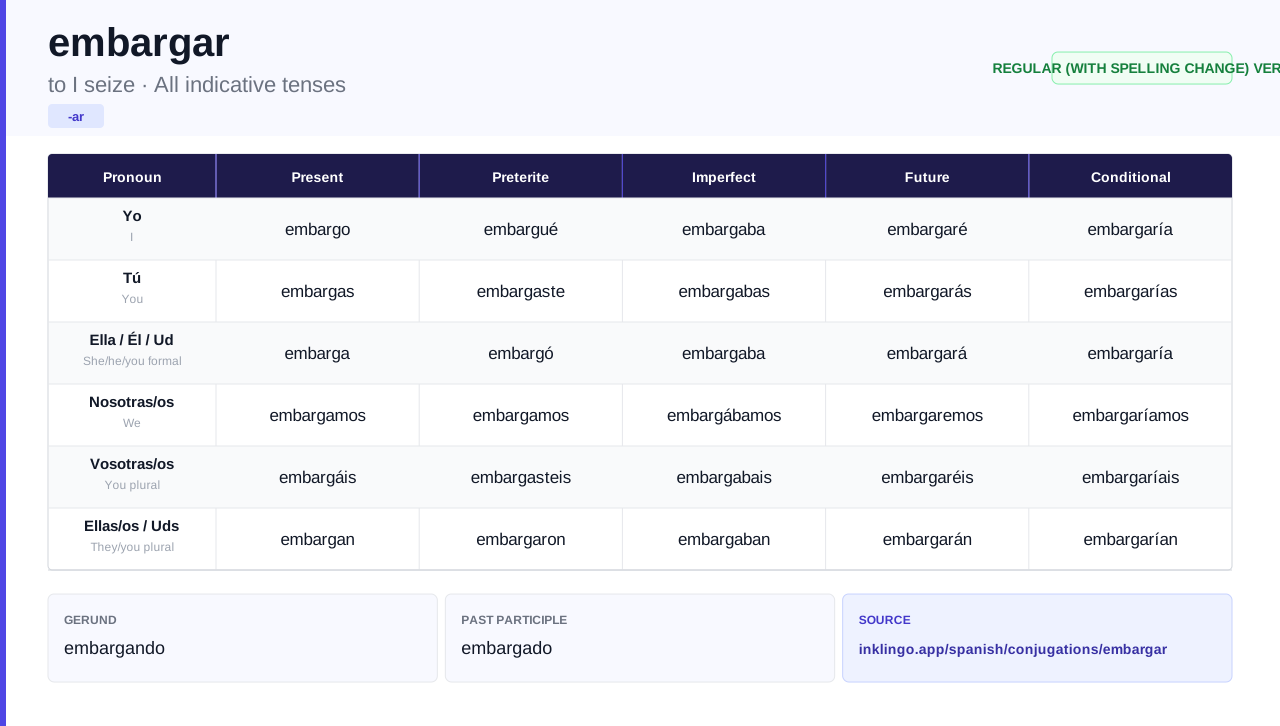
Koniugacja czasowników hiszpańskich
embargarKoniugacja
regular (with spelling change)-ar9 czasów52 formy
Zobacz poniżej:
Kompletne tabele koniugacji
Odniesienie do wszystkich czasów i trybów
Indicative
Present
yoembargo
túembargas
él/ella/ustedembarga
nosotrosembargamos
vosotrosembargáis
ellos/ellas/ustedesembargan
Future
yoembargaré
túembargarás
él/ella/ustedembargará
nosotrosembargaremos
vosotrosembargaréis
ellos/ellas/ustedesembargarán
Imperfect
yoembargaba
túembargabas
él/ella/ustedembargaba
nosotrosembargábamos
vosotrosembargabais
ellos/ellas/ustedesembargaban
Conditional
yoembargaría
túembargarías
él/ella/ustedembargaría
nosotrosembargaríamos
vosotrosembargaríais
ellos/ellas/ustedesembargarían
Preterite
yoembargué
túembargaste
él/ella/ustedembargó
nosotrosembargamos
vosotrosembargasteis
ellos/ellas/ustedesembargaron
Imperative
Negative Imperative
túno embargues
ustedno embargue
nosotrosno embarguemos
vosotrosno embarguéis
ustedesno embarguen
Imperative
túembarga
ustedembargue
nosotrosembarguemos
vosotrosembargad
ustedesembarguen
Subjunctive
Present Subjunctive
yoembargue
túembargues
él/ella/ustedembargue
nosotrosembarguemos
vosotrosembarguéis
ellos/ellas/ustedesembarguen
Imperfect Subjunctive
yoembargara
túembargaras
él/ella/ustedembargara
nosotrosembargáramos
vosotrosembargarais
ellos/ellas/ustedesembargaran
Ćwicz koniugacje
Sprawdź swoją wiedzę za pomocą interaktywnych ćwiczeń
Przenieś embargar z tabel do prawdziwego hiszpańskiego
Tabele koniugacji to dopiero początek. Przeczytaj ponad 200 ilustrowanych i udźwiękowionych hiszpańskich historii, aby zobaczyć 'embargar' w akcji w prawdziwych zdaniach — i zbuduj instynkt, jaki mają rodzimi użytkownicy języka.
Często zadawane pytania
Czy embargar to czasownik regularny czy nieregularny?
embargar to czasownik regular (with spelling change) -ar w języku hiszpańskim.
Jak koniuguje się embargar w czasie teraźniejszym?
Czas teraźniejszy embargar to: yo embargo, tú embargas, él/ella/usted embarga, nosotros embargamos, vosotros embargáis, ellos/ellas/ustedes embargan.
Jak koniuguje się embargar w czasie przeszłym dokonanym (preterite)?
Czas przeszły dokonany embargar to: yo embargué, tú embargaste, él/ella/usted embargó, nosotros embargamos, vosotros embargasteis, ellos/ellas/ustedes embargaron.
Darmowy materiał referencyjny do wydruku
embargar ściągawka koniugacyjna