Koniugacja empatar Tryb warunkowy
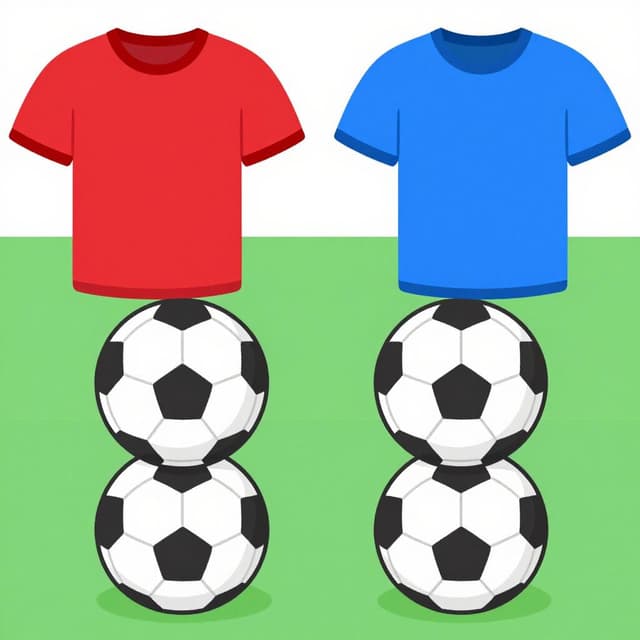
empatar — to tie
The conditional of empatar is regular: empataría, empatarías, empataría, empataríamos, empataríais, empatarían.
Formy empatar Tryb warunkowy
Kiedy używać Tryb warunkowy
Use the conditional for hypothetical situations ('would tie'), polite requests, or future actions from a past perspective. For 'empatar,' it means 'I would tie,' 'he would tie,' or 'would you tie?'.
Uwagi dotyczące empatar w czasie Tryb warunkowy
'Empatar' is regular in the conditional indicative. The infinitive 'empatar-' serves as the stem, followed by the standard conditional endings.
Przykładowe zdania
Yo empataría el nudo si supiera cómo.
I would tie the knot if I knew how.
yo
¿Tú empatarías el juego si jugaras?
Would you tie the game if you played?
tú
Él dijo que empataría el marcador.
He said he would tie the score.
él/ella/usted
Ellos empatarían si marcaran un gol más.
They would tie if they scored one more goal.
ellos/ellas/ustedes
Częste błędy
Błąd: Using the conditional for a completed past action.
Poprawnie: Use the preterite 'empató' for 'he tied,' not the conditional 'empataría'.
Dlaczego: The conditional expresses hypotheticals, not definite past events.
Błąd: Confusing the conditional ending '-ía' with the imperfect '-aba'.
Poprawnie: 'Empataría' means 'would tie', while 'empataba' means 'used to tie' or 'was tying'.
Dlaczego: These endings sound similar but have distinct grammatical functions.
Opanuj hiszpańskie czasowniki w kontekście
Zapamiętywanie tabel to dopiero początek. Przeczytaj ponad 200 ilustrowanych i udźwiękowionych hiszpańskich historii, aby zobaczyć czasowniki takie jak 'empatar' używane naturalnie — w czasach, których się uczysz.
Powiązane czasy
Czas teraźniejszy
yo: empato
The present tense of empatar is regular: empato, empatas, empata, empatamos, empatáis, empatan.
Czas przeszły prosty
yo: empaté
The preterite of empatar is regular: empaté, empataste, empató, empatamos, empatasteis, empataron.
Czas przeszły niedokonany
yo: empataba
The imperfect of empatar is regular: empataba, empatabas, empataba, empatábamos, empatabais, empataban.
Czas przyszły
yo: empataré
The future tense of empatar is regular: empataré, empatarás, empatará, empataremos, empataréis, empatarán.
Tryb Subj. teraźniejszy
yo: empate
The present subjunctive of empatar expresses wishes, doubts, or emotions: empate, empates, empatemos, empaten.
Tryb Subj. przeszły niedokonany
yo: empatara
The imperfect subjunctive of empatar (-ra or -se) expresses past hypotheticals or wishes: empatara, empataras, empatáramos, empataran.
Tryb rozkazujący (twierdzący)
yo: empata
The imperative of empatar has regular commands: empata, empate, empatemos, empatad, empaten.
Tryb rozkazujący (przeczący)
yo: no empates
Negative commands for empatar use the present subjunctive: no empates, no empate, no empatemos, no empatéis, no empaten.