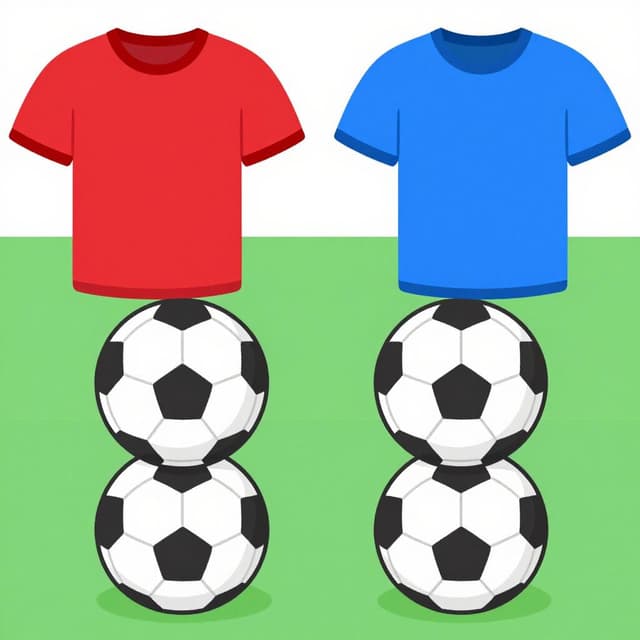
Koniugacja empatar Tryb rozkazujący (przeczący)
empatar — to tie
Negative commands for empatar use the present subjunctive: no empates, no empate, no empatemos, no empatéis, no empaten.
Formy empatar Tryb rozkazujący (przeczący)
Kiedy używać Tryb rozkazujący (przeczący)
Use the negative imperative to tell someone *not* to do something. For 'empatar,' it means 'don't tie' a knot, shoelaces, or 'don't tie' a game.
Uwagi dotyczące empatar w czasie Tryb rozkazujący (przeczący)
Negative commands in Spanish always use the present subjunctive. 'Empatar' follows the regular -ar pattern in the present subjunctive, so the negative imperative forms are regular.
Przykładowe zdania
No empates el nudo tan fuerte, luego no podrás desatarlo.
Don't tie the knot so tight, you won't be able to untie it later.
tú
No empaten el partido si van ganando.
Don't tie the game if you're winning.
ustedes
No empatemos la corbata todavía.
Let's not tie the tie yet.
nosotros
No empatéis los cordones con prisas.
Don't tie your shoelaces in a hurry.
vosotros
Częste błędy
Błąd: Using the infinitive instead of the subjunctive.
Poprawnie: It should be 'no empatar', but the correct command form is 'no empates' (tú).
Dlaczego: Learners sometimes forget that negative commands require the subjunctive mood.
Błąd: Using the affirmative imperative forms.
Poprawnie: Use subjunctive forms like 'no empates', not 'no empata'.
Dlaczego: The structure for negative commands is different from affirmative ones.
Opanuj hiszpańskie czasowniki w kontekście
Zapamiętywanie tabel to dopiero początek. Przeczytaj ponad 200 ilustrowanych i udźwiękowionych hiszpańskich historii, aby zobaczyć czasowniki takie jak 'empatar' używane naturalnie — w czasach, których się uczysz.
Powiązane czasy
Czas teraźniejszy
yo: empato
The present tense of empatar is regular: empato, empatas, empata, empatamos, empatáis, empatan.
Czas przeszły prosty
yo: empaté
The preterite of empatar is regular: empaté, empataste, empató, empatamos, empatasteis, empataron.
Czas przeszły niedokonany
yo: empataba
The imperfect of empatar is regular: empataba, empatabas, empataba, empatábamos, empatabais, empataban.
Czas przyszły
yo: empataré
The future tense of empatar is regular: empataré, empatarás, empatará, empataremos, empataréis, empatarán.
Tryb warunkowy
yo: empataría
The conditional of empatar is regular: empataría, empatarías, empataría, empataríamos, empataríais, empatarían.
Tryb Subj. teraźniejszy
yo: empate
The present subjunctive of empatar expresses wishes, doubts, or emotions: empate, empates, empatemos, empaten.
Tryb Subj. przeszły niedokonany
yo: empatara
The imperfect subjunctive of empatar (-ra or -se) expresses past hypotheticals or wishes: empatara, empataras, empatáramos, empataran.
Tryb rozkazujący (twierdzący)
yo: empata
The imperative of empatar has regular commands: empata, empate, empatemos, empatad, empaten.