Koniugacja empatar Czas przeszły niedokonany
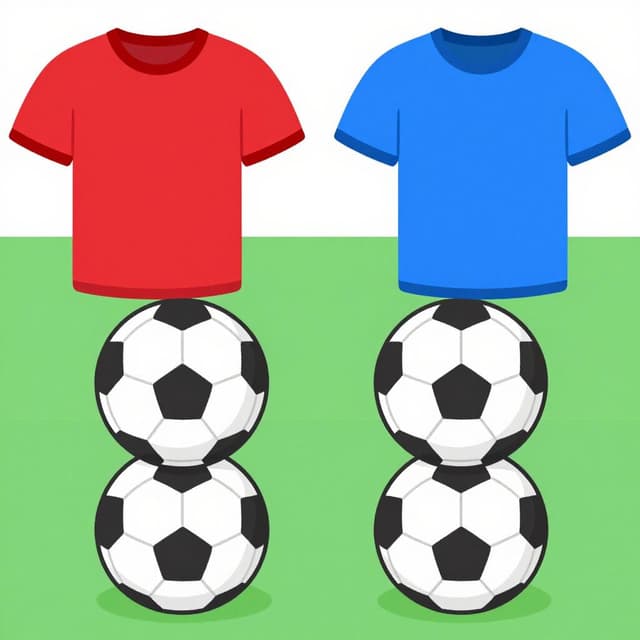
empatar — to tie
The imperfect of empatar is regular: empataba, empatabas, empataba, empatábamos, empatabais, empataban.
Formy empatar Czas przeszły niedokonany
Kiedy używać Czas przeszły niedokonany
Use the imperfect for ongoing actions in the past, habitual actions, or descriptions. For 'empatar,' it could describe a time when 'they always tied games' or 'he was tying his tie when...'.
Uwagi dotyczące empatar w czasie Czas przeszły niedokonany
'Empatar' is regular in the imperfect indicative. The stem 'empat-' is used with the standard imperfect endings for -ar verbs.
Przykładowe zdania
Yo empataba los zapatos de mi hermano cuando era niño.
I used to tie my brother's shoes when I was a child.
yo
Tú empatabas las cuerdas de manera experta.
You used to tie the ropes expertly.
tú
El equipo empataba muchos partidos esa temporada.
The team used to tie many games that season.
él/ella/usted
Ellos empataban siempre al final del primer tiempo.
They always used to tie at the end of the first half.
ellos/ellas/ustedes
Częste błędy
Błąd: Using the imperfect for a single, completed past action.
Poprawnie: For a one-time event like 'I tied the knot yesterday', use the preterite: 'empaté'.
Dlaczego: The imperfect describes ongoing or habitual past actions, not completed ones.
Błąd: Confusing imperfect ('empataba') with conditional ('empataría').
Poprawnie: 'Empataba' describes past habits/ongoing actions, 'empataría' describes hypothetical 'would tie'.
Dlaczego: These tenses have different meanings and uses, but sound somewhat similar.
Opanuj hiszpańskie czasowniki w kontekście
Zapamiętywanie tabel to dopiero początek. Przeczytaj ponad 200 ilustrowanych i udźwiękowionych hiszpańskich historii, aby zobaczyć czasowniki takie jak 'empatar' używane naturalnie — w czasach, których się uczysz.
Powiązane czasy
Czas teraźniejszy
yo: empato
The present tense of empatar is regular: empato, empatas, empata, empatamos, empatáis, empatan.
Czas przeszły prosty
yo: empaté
The preterite of empatar is regular: empaté, empataste, empató, empatamos, empatasteis, empataron.
Czas przyszły
yo: empataré
The future tense of empatar is regular: empataré, empatarás, empatará, empataremos, empataréis, empatarán.
Tryb warunkowy
yo: empataría
The conditional of empatar is regular: empataría, empatarías, empataría, empataríamos, empataríais, empatarían.
Tryb Subj. teraźniejszy
yo: empate
The present subjunctive of empatar expresses wishes, doubts, or emotions: empate, empates, empatemos, empaten.
Tryb Subj. przeszły niedokonany
yo: empatara
The imperfect subjunctive of empatar (-ra or -se) expresses past hypotheticals or wishes: empatara, empataras, empatáramos, empataran.
Tryb rozkazujący (twierdzący)
yo: empata
The imperative of empatar has regular commands: empata, empate, empatemos, empatad, empaten.
Tryb rozkazujący (przeczący)
yo: no empates
Negative commands for empatar use the present subjunctive: no empates, no empate, no empatemos, no empatéis, no empaten.