Koniugacja enganchar Czas przyszły
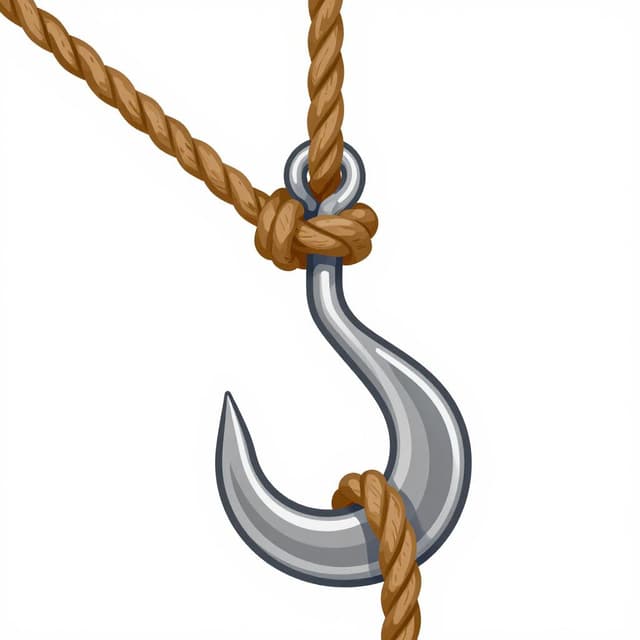
enganchar — to hook
The future tense of enganchar is regular: engancharé, engancharás, enganchará, engancharemos, engancharéis, engancharán.
Formy enganchar Czas przyszły
Kiedy używać Czas przyszły
Use the future tense to talk about actions that will happen. It can also express probability or conjecture. For instance, 'Mañana engancharé la lámpara' means 'Tomorrow I will hook up the lamp.' Or, 'Ya nos engancharán' could mean 'They'll probably hook us up by now.'
Uwagi dotyczące enganchar w czasie Czas przyszły
Enganchar is regular in the future indicative. The stem is the full infinitive 'enganchar', and the standard future endings are added.
Przykładowe zdania
Yo engancharé mi nuevo altavoz al sistema.
I will connect my new speaker to the system.
yo
¿Tú engancharás las fotos en la pared?
Will you hang the photos on the wall?
tú
Él enganchará el remolque antes de salir.
He will attach the trailer before leaving.
él/ella/usted
Nosotros engancharemos las bolsas al carrito.
We will hook the bags to the cart.
nosotros
Ellos engancharán la presentación en la pantalla.
They will connect the presentation to the screen.
ellos/ellas/ustedes
Częste błędy
Błąd: Using the present tense 'engancho' instead of the future 'engancharé' for a future action.
Poprawnie: For actions that will happen, use the future tense: 'Engancharé'.
Dlaczego: The present tense is for current or habitual actions, not future ones.
Błąd: Confusing future endings with conditional endings.
Poprawnie: Future endings are -é, -ás, -á, -emos, -éis, -án. Conditional endings are -ía, -ías, -ía, -íamos, -íais, -ían.
Dlaczego: They sound similar but have distinct meanings and uses.
Opanuj hiszpańskie czasowniki w kontekście
Zapamiętywanie tabel to dopiero początek. Przeczytaj ponad 200 ilustrowanych i udźwiękowionych hiszpańskich historii, aby zobaczyć czasowniki takie jak 'enganchar' używane naturalnie — w czasach, których się uczysz.
Powiązane czasy
Czas teraźniejszy
yo: engancho
The present tense of enganchar is regular: engancho, enganchas, engancha, enganchamos, engancháis, enganchan.
Czas przeszły prosty
yo: enganché
The preterite of enganchar is regular: enganché, enganchaste, enganchó, enganchamos, enganchasteis, engancharon.
Czas przeszły niedokonany
yo: enganchaba
The imperfect of enganchar is regular: enganchaba, enganchabas, enganchaba, enganchábamos, enganchabais, enganchaban.
Tryb warunkowy
yo: engancharía
The conditional of enganchar is regular: engancharía, engancharías, engancharía, engancharíamos, engancharíais, engancharían.
Tryb Subj. teraźniejszy
yo: enganche
Use 'enganche' (yo, él/ella/Ud.), 'enganchemos' (nosotros), 'enganchen' (ellos/ellas/Uds.), 'enganches' (tú), 'enganchéis' (vosotros) after expressions of doubt, desire, emotion.
Tryb Subj. przeszły niedokonany
yo: enganchara
The imperfect subjunctive forms like 'enganchara' or 'enganchase' express hypothetical or past wishes/doubts.
Tryb rozkazujący (twierdzący)
yo: engancha
Use 'engancha' (tú), 'enganche' (usted), 'enganchemos' (nosotros), 'enganchen' (ustedes), 'enganchad' (vosotros) for direct commands with enganchar.
Tryb rozkazujący (przeczący)
yo: no enganches
Use 'no enganches' (tú), 'no enganche' (usted), 'no enganchemos' (nosotros), 'no enganchen' (ustedes), 'no enganchéis' (vosotros) for negative commands.