Koniugacja enganchar Czas przeszły niedokonany
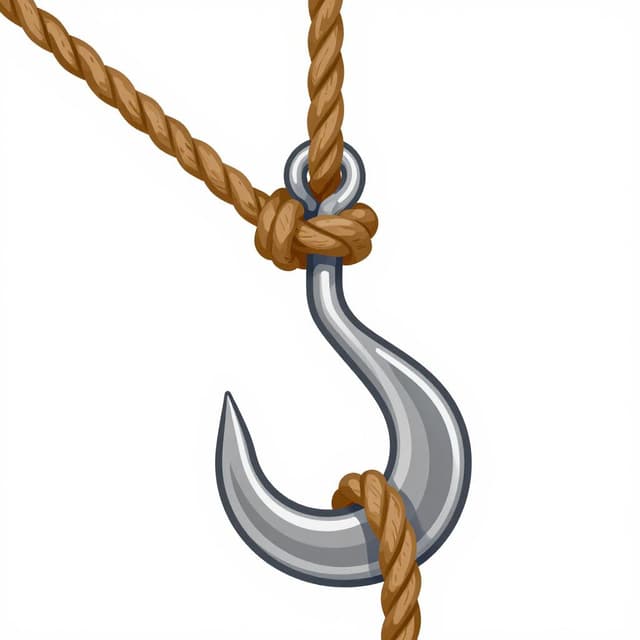
enganchar — to hook
The imperfect of enganchar is regular: enganchaba, enganchabas, enganchaba, enganchábamos, enganchabais, enganchaban.
Formy enganchar Czas przeszły niedokonany
Kiedy używać Czas przeszły niedokonany
Use the imperfect for ongoing or habitual actions in the past. It describes the background or setting. For example, 'Cuando era niño, enganchaba mi mochila a la silla' means 'When I was a child, I used to hook my backpack to the chair.'
Uwagi dotyczące enganchar w czasie Czas przeszły niedokonany
Enganchar is regular in the imperfect indicative. All forms follow the standard -ar conjugation pattern.
Przykładowe zdania
Yo enganchaba mi bicicleta al poste todos los días.
I used to lock my bike to the pole every day.
yo
¿Tú enganchabas las cortinas con ese cordón?
Did you used to tie the curtains with that cord?
tú
Él enganchaba los cables detrás del televisor.
He used to connect the cables behind the TV.
él/ella/usted
Nosotros enganchábamos la carreta al caballo.
We used to hitch the cart to the horse.
nosotros
Ellas enganchaban sus abrigos en el perchero.
They used to hang their coats on the coat rack.
ellos/ellas/ustedes
Częste błędy
Błąd: Using the imperfect for a single completed past action.
Poprawnie: Use the preterite 'enganché' for a specific action that finished. Use imperfect 'enganchaba' for ongoing or repeated past actions.
Dlaczego: The imperfect describes the scene or habit, not the event itself.
Błąd: Confusing the imperfect 'enganchaba' with the present 'engancho'.
Poprawnie: Ensure you're using the correct past tense ending for imperfect forms.
Dlaczego: The endings clearly differentiate between present and imperfect actions.
Opanuj hiszpańskie czasowniki w kontekście
Zapamiętywanie tabel to dopiero początek. Przeczytaj ponad 200 ilustrowanych i udźwiękowionych hiszpańskich historii, aby zobaczyć czasowniki takie jak 'enganchar' używane naturalnie — w czasach, których się uczysz.
Powiązane czasy
Czas teraźniejszy
yo: engancho
The present tense of enganchar is regular: engancho, enganchas, engancha, enganchamos, engancháis, enganchan.
Czas przeszły prosty
yo: enganché
The preterite of enganchar is regular: enganché, enganchaste, enganchó, enganchamos, enganchasteis, engancharon.
Czas przyszły
yo: engancharé
The future tense of enganchar is regular: engancharé, engancharás, enganchará, engancharemos, engancharéis, engancharán.
Tryb warunkowy
yo: engancharía
The conditional of enganchar is regular: engancharía, engancharías, engancharía, engancharíamos, engancharíais, engancharían.
Tryb Subj. teraźniejszy
yo: enganche
Use 'enganche' (yo, él/ella/Ud.), 'enganchemos' (nosotros), 'enganchen' (ellos/ellas/Uds.), 'enganches' (tú), 'enganchéis' (vosotros) after expressions of doubt, desire, emotion.
Tryb Subj. przeszły niedokonany
yo: enganchara
The imperfect subjunctive forms like 'enganchara' or 'enganchase' express hypothetical or past wishes/doubts.
Tryb rozkazujący (twierdzący)
yo: engancha
Use 'engancha' (tú), 'enganche' (usted), 'enganchemos' (nosotros), 'enganchen' (ustedes), 'enganchad' (vosotros) for direct commands with enganchar.
Tryb rozkazujący (przeczący)
yo: no enganches
Use 'no enganches' (tú), 'no enganche' (usted), 'no enganchemos' (nosotros), 'no enganchen' (ustedes), 'no enganchéis' (vosotros) for negative commands.