Koniugacja enganchar Czas teraźniejszy
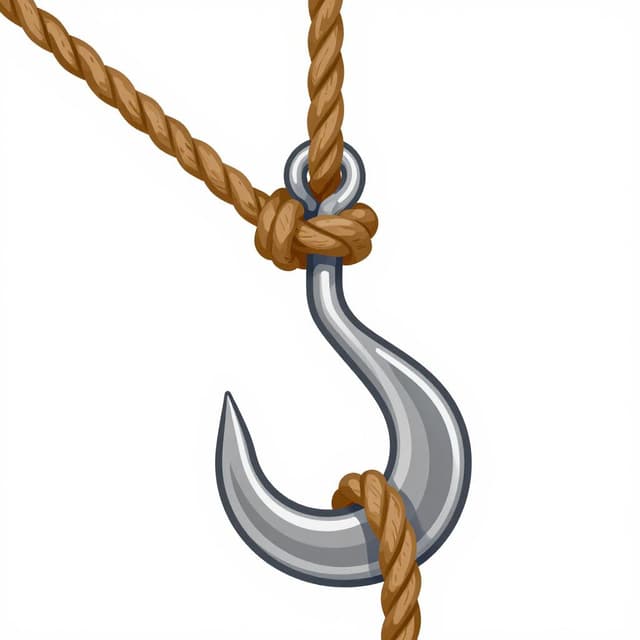
enganchar — to hook
The present tense of enganchar is regular: engancho, enganchas, engancha, enganchamos, engancháis, enganchan.
Formy enganchar Czas teraźniejszy
Kiedy używać Czas teraźniejszy
Use the present tense for actions happening now ('Me engancho a la red'), habitual actions ('Siempre engancho mi coche al cargador'), or general truths ('Este gancho engancha bien').
Uwagi dotyczące enganchar w czasie Czas teraźniejszy
Enganchar is regular in the present indicative. All forms follow the standard -ar conjugation pattern.
Przykładowe zdania
Yo engancho mi correo electrónico aquí.
I log in to my email here.
yo
¿Tú enganchas la bici al soporte?
Do you attach the bike to the stand?
tú
Ella engancha la ropa en el armario.
She hangs the clothes in the closet.
él/ella/usted
Nosotros enganchamos las piezas con cuidado.
We connect the pieces carefully.
nosotros
Ellos enganchan el vagón al tren.
They couple the car to the train.
ellos/ellas/ustedes
Częste błędy
Błąd: Using the gerund 'enganchando' instead of the present tense for a current action.
Poprawnie: For 'I am connecting right now', use 'Yo engancho'.
Dlaczego: While 'estar + gerund' exists, the simple present is often used for actions in progress in Spanish.
Błąd: Forgetting the 'h' in 'engancho' and related forms.
Poprawnie: Ensure the 'h' is present in all forms: 'engancho', 'enganchas', etc.
Dlaczego: The 'h' is part of the verb's spelling and pronunciation.
Opanuj hiszpańskie czasowniki w kontekście
Zapamiętywanie tabel to dopiero początek. Przeczytaj ponad 200 ilustrowanych i udźwiękowionych hiszpańskich historii, aby zobaczyć czasowniki takie jak 'enganchar' używane naturalnie — w czasach, których się uczysz.
Powiązane czasy
Czas przeszły prosty
yo: enganché
The preterite of enganchar is regular: enganché, enganchaste, enganchó, enganchamos, enganchasteis, engancharon.
Czas przeszły niedokonany
yo: enganchaba
The imperfect of enganchar is regular: enganchaba, enganchabas, enganchaba, enganchábamos, enganchabais, enganchaban.
Czas przyszły
yo: engancharé
The future tense of enganchar is regular: engancharé, engancharás, enganchará, engancharemos, engancharéis, engancharán.
Tryb warunkowy
yo: engancharía
The conditional of enganchar is regular: engancharía, engancharías, engancharía, engancharíamos, engancharíais, engancharían.
Tryb Subj. teraźniejszy
yo: enganche
Use 'enganche' (yo, él/ella/Ud.), 'enganchemos' (nosotros), 'enganchen' (ellos/ellas/Uds.), 'enganches' (tú), 'enganchéis' (vosotros) after expressions of doubt, desire, emotion.
Tryb Subj. przeszły niedokonany
yo: enganchara
The imperfect subjunctive forms like 'enganchara' or 'enganchase' express hypothetical or past wishes/doubts.
Tryb rozkazujący (twierdzący)
yo: engancha
Use 'engancha' (tú), 'enganche' (usted), 'enganchemos' (nosotros), 'enganchen' (ustedes), 'enganchad' (vosotros) for direct commands with enganchar.
Tryb rozkazujący (przeczący)
yo: no enganches
Use 'no enganches' (tú), 'no enganche' (usted), 'no enganchemos' (nosotros), 'no enganchen' (ustedes), 'no enganchéis' (vosotros) for negative commands.