Koniugacja estacionar Czas przeszły prosty
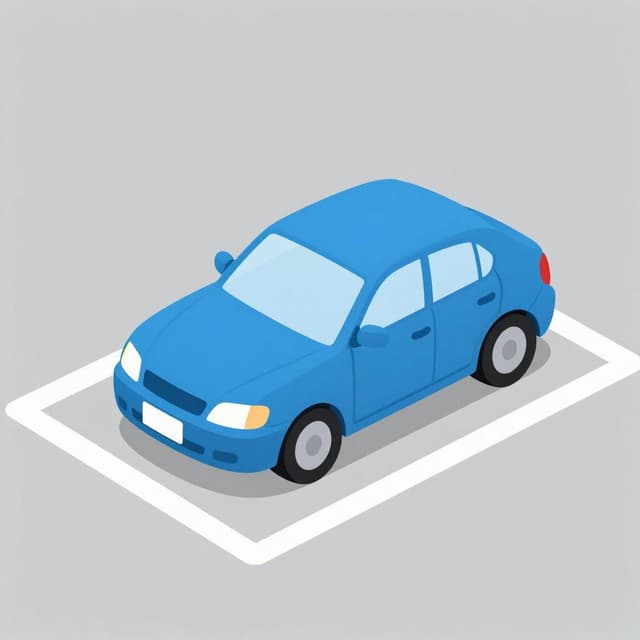
estacionar — to park
Use 'estacioné' (yo), 'estacionaste' (tú), 'estacionó' (él/ella/usted) for completed past parking actions.
Formy estacionar Czas przeszły prosty
Kiedy używać Czas przeszły prosty
The preterite is for actions that started and finished at a specific point in the past. If you parked the car yesterday or parked it for exactly one hour, you'd use the preterite.
Uwagi dotyczące estacionar w czasie Czas przeszły prosty
Estacionar is regular in the preterite. All the forms follow the standard -ar verb endings.
Przykładowe zdania
Ayer estacioné mi coche en la calle.
Yesterday I parked my car on the street.
yo
¿Dónde estacionaste tú?
Where did you park?
tú
Él estacionó el camión en el muelle.
He parked the truck at the dock.
él/ella/usted
Nosotros estacionamos el coche cerca del cine.
We parked the car near the cinema.
nosotros
Ellos estacionaron en el último sitio.
They parked in the last spot.
ellos/ellas/ustedes
Częste błędy
Błąd: Using the present indicative 'estacionamos' instead of the preterite for a completed past action.
Poprawnie: For a completed action like 'we parked yesterday', use the preterite 'estacionamos'.
Dlaczego: The present indicative describes current or habitual actions, while the preterite describes finished actions in the past.
Błąd: Forgetting the accent on 'estacionó' (él/ella/usted).
Poprawnie: The third-person singular preterite form is 'estacionó', with an accent on the 'ó'.
Dlaczego: The accent on the final syllable is crucial for distinguishing the preterite third-person singular from other forms and indicating stress.
Opanuj hiszpańskie czasowniki w kontekście
Zapamiętywanie tabel to dopiero początek. Przeczytaj ponad 200 ilustrowanych i udźwiękowionych hiszpańskich historii, aby zobaczyć czasowniki takie jak 'estacionar' używane naturalnie — w czasach, których się uczysz.
Powiązane czasy
Czas teraźniejszy
yo: estaciono
Use 'estaciono' (yo), 'estacionas' (tú), 'estaciona' (él/ella/usted) for current or habitual parking actions.
Czas przeszły niedokonany
yo: estacionaba
Use 'estacionaba' (yo/él/ella/usted) and 'estacionabas' (tú) for ongoing or habitual past parking.
Czas przyszły
yo: estacionaré
Use 'estacionaré' (yo), 'estacionarás' (tú), 'estacionará' (él/ella/usted) for future parking actions.
Tryb warunkowy
yo: estacionaría
Use 'estacionaría' (yo/él/ella/usted) and 'estacionarías' (tú) for hypothetical or polite parking scenarios.
Tryb Subj. teraźniejszy
yo: estacione
Use 'estacione' (yo/usted) and 'estaciones' (tú) for wishes, doubts, or emotions about parking.
Tryb Subj. przeszły niedokonany
yo: estacionara
Use 'estacionara' or 'estacionase' for past hypothetical or uncertain situations about parking.
Tryb rozkazujący (twierdzący)
yo: estaciona
Use the imperative 'estaciona' (tú) and 'estacione' (usted) for direct commands to park.
Tryb rozkazujący (przeczący)
yo: no estaciones
Use 'no estaciones' (tú) and 'no estacione' (usted) for negative commands not to park.