Koniugacja evolucionar Czas przeszły niedokonany
evolucionar — to evolve
The imperfect of evolucionar is regular: evolucionaba, evolucionabas, evolucionaba, evolucionábamos, evolucionabais, evolucionaban.
Formy evolucionar Czas przeszły niedokonany
Kiedy używać Czas przeszły niedokonany
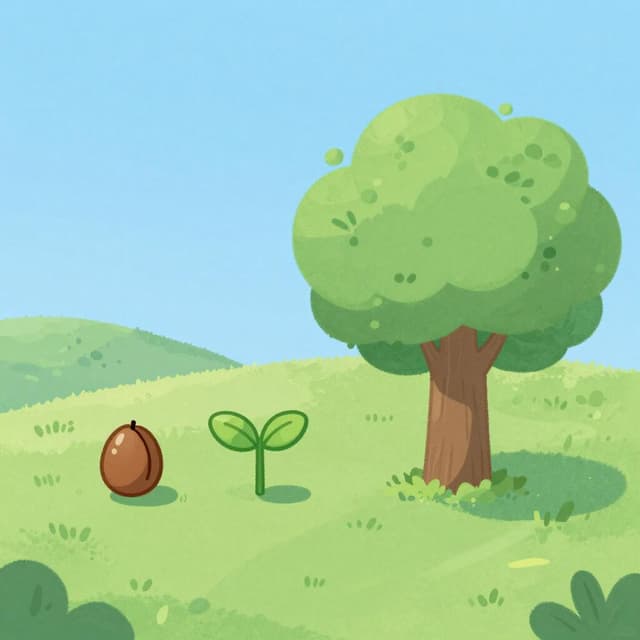
Use the imperfect to describe ongoing or habitual actions of evolution in the past, or to set the background scene. It paints a picture of how things *used to* evolve or *were evolving*.
Uwagi dotyczące evolucionar w czasie Czas przeszły niedokonany
Evolucionar is regular in the imperfect tense. The stem remains 'evolucion-' and the standard imperfect endings for -ar verbs are added.
Przykładowe zdania
Antes, las especies evolucionaban más lentamente.
Before, species evolved more slowly.
ellos/ellas/ustedes
Yo evolucionaba mis teorías mientras estudiaba.
I was evolving my theories while I studied.
yo
Tú evolucionabas muy rápido en esa época.
You were evolving very quickly back then.
tú
Él evolucionaba de forma natural.
He was evolving naturally.
él/ella/usted
Częste błędy
Błąd: Using the imperfect for completed past actions.
Poprawnie: Use the preterite (e.g., 'evolucionó') for completed actions, and the imperfect ('evolucionaba') for ongoing or habitual past actions.
Dlaczego: The imperfect describes the background or duration, while the preterite marks a specific event.
Opanuj hiszpańskie czasowniki w kontekście
Zapamiętywanie tabel to dopiero początek. Przeczytaj ponad 200 ilustrowanych i udźwiękowionych hiszpańskich historii, aby zobaczyć czasowniki takie jak 'evolucionar' używane naturalnie — w czasach, których się uczysz.
Powiązane czasy
Czas teraźniejszy
yo: evoluciono
The present indicative of evolucionar is regular: evoluciono, evolucionas, evoluciona, evolucionamos, evolucionáis, evolucionan.
Czas przeszły prosty
yo: evolucioné
The preterite of evolucionar is regular: evolucioné, evolucionaste, evolucionó, evolucionamos, evolucionasteis, evolucionaron.
Czas przyszły
yo: evolucionaré
The future of evolucionar is regular: evolucionaré, evolucionarás, evolucionará, evolucionaremos, evolucionaréis, evolucionarán.
Tryb warunkowy
yo: evolucionaría
The conditional of evolucionar is regular: evolucionaría, evolucionarías, evolucionaría, evolucionaríamos, evolucionaríais, evolucionarían.
Tryb Subj. teraźniejszy
yo: evolucione
The present subjunctive of evolucionar is regular: evolucione (yo/él/ella/usted), evoluciones (tú), evolucionemos (nosotros), evolucionéis (vosotros), evolucionen (ellos/ellas/ustedes).
Tryb Subj. przeszły niedokonany
yo: evolucionara
The imperfect subjunctive of evolucionar is regular: evolucionara/evolucionase (yo/él/ella/usted), evolucionaras/evolucionases (tú), evolucionáramos/evolucionásemos (nosotros), evolucionarais/evolucionaseis (vosotros), evolucionaran/evolucinasen (ellos/ellas/ustedes).
Tryb rozkazujący (twierdzący)
yo: evoluciona
The imperative of evolucionar is: evoluciona (tú), evolucione (usted), evolucionemos (nosotros), evolucionad (vosotros), evolucionen (ustedes).
Tryb rozkazujący (przeczący)
yo: no evoluciones
The negative imperative of evolucionar uses the present subjunctive: no evoluciones (tú), no evolucione (usted), no evolucionemos (nosotros), no evolucionéis (vosotros), no evolucionen (ustedes).