Koniugacja czasowników hiszpańskich
filarKoniugacja
regular-ar9 czasów52 formy
Zobacz poniżej:
Kompletne tabele koniugacji
Odniesienie do wszystkich czasów i trybów
Imperative
Negative Imperative
túno files
ustedno file
nosotrosno filemos
vosotrosno filéis
ustedesno filen
Imperative
túfila
ustedfile
nosotrosfilemos
vosotrosfilad
ustedesfilen
Subjunctive
Present Subjunctive
yofile
túfiles
él/ella/ustedfile
nosotrosfilemos
vosotrosfiléis
ellos/ellas/ustedesfilen
Imperfect Subjunctive
yofilara
túfilaras
él/ella/ustedfilara
nosotrosfiláramos
vosotrosfilarais
ellos/ellas/ustedesfilaran
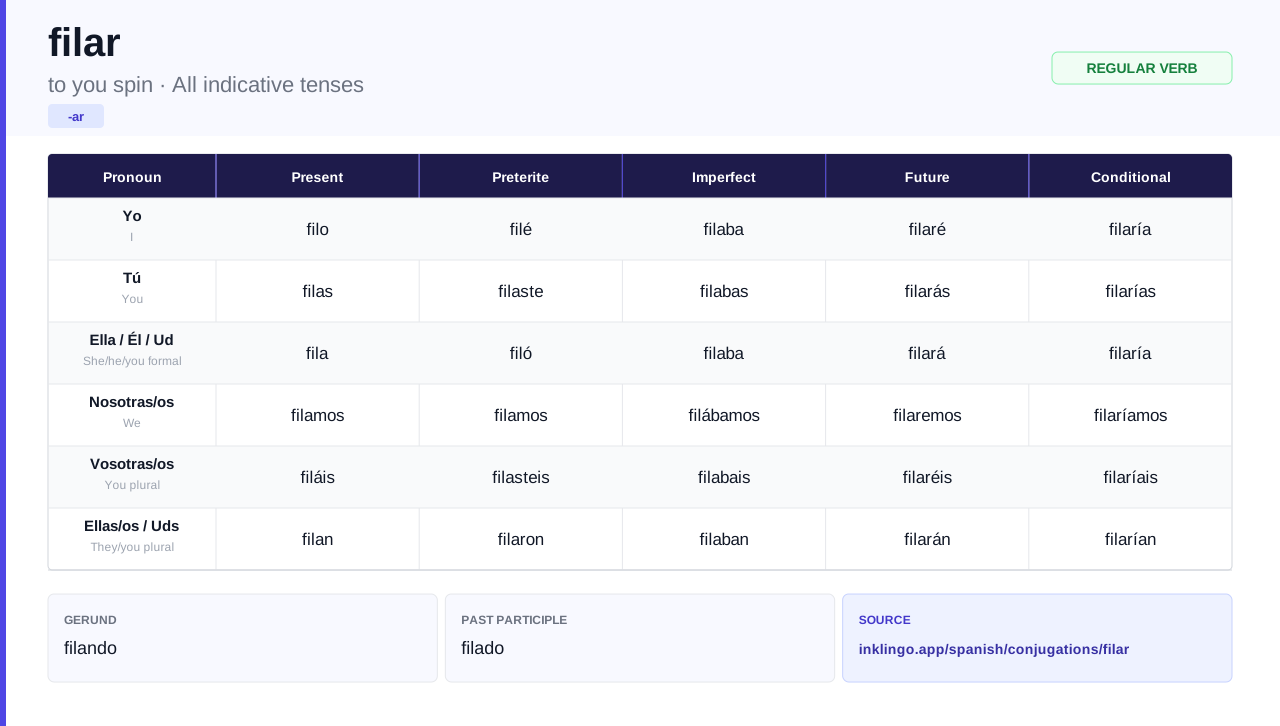
Indicative
Preterite
yofilé
túfilaste
él/ella/ustedfiló
nosotrosfilamos
vosotrosfilasteis
ellos/ellas/ustedesfilaron
Conditional
yofilaría
túfilarías
él/ella/ustedfilaría
nosotrosfilaríamos
vosotrosfilaríais
ellos/ellas/ustedesfilarían
Imperfect
yofilaba
túfilabas
él/ella/ustedfilaba
nosotrosfilábamos
vosotrosfilabais
ellos/ellas/ustedesfilaban
Present
yofilo
túfilas
él/ella/ustedfila
nosotrosfilamos
vosotrosfiláis
ellos/ellas/ustedesfilan
Future
yofilaré
túfilarás
él/ella/ustedfilará
nosotrosfilaremos
vosotrosfilaréis
ellos/ellas/ustedesfilarán
Ćwicz koniugacje
Sprawdź swoją wiedzę za pomocą interaktywnych ćwiczeń
Przenieś filar z tabel do prawdziwego hiszpańskiego
Tabele koniugacji to dopiero początek. Przeczytaj ponad 200 ilustrowanych i udźwiękowionych hiszpańskich historii, aby zobaczyć 'filar' w akcji w prawdziwych zdaniach — i zbuduj instynkt, jaki mają rodzimi użytkownicy języka.
Często zadawane pytania
Czy filar to czasownik regularny czy nieregularny?
filar to czasownik regular -ar w języku hiszpańskim.
Jak koniuguje się filar w czasie teraźniejszym?
Czas teraźniejszy filar to: yo filo, tú filas, él/ella/usted fila, nosotros filamos, vosotros filáis, ellos/ellas/ustedes filan.
Jak koniuguje się filar w czasie przeszłym dokonanym (preterite)?
Czas przeszły dokonany filar to: yo filé, tú filaste, él/ella/usted filó, nosotros filamos, vosotros filasteis, ellos/ellas/ustedes filaron.
Darmowy materiał referencyjny do wydruku
filar ściągawka koniugacyjna