Koniugacja honrar Czas przeszły prosty
honrar — to honor
The preterite of 'honrar' is regular: honré, honraste, honró, honramos, honrasteis, honraron.
Formy honrar Czas przeszły prosty
Kiedy używać Czas przeszły prosty
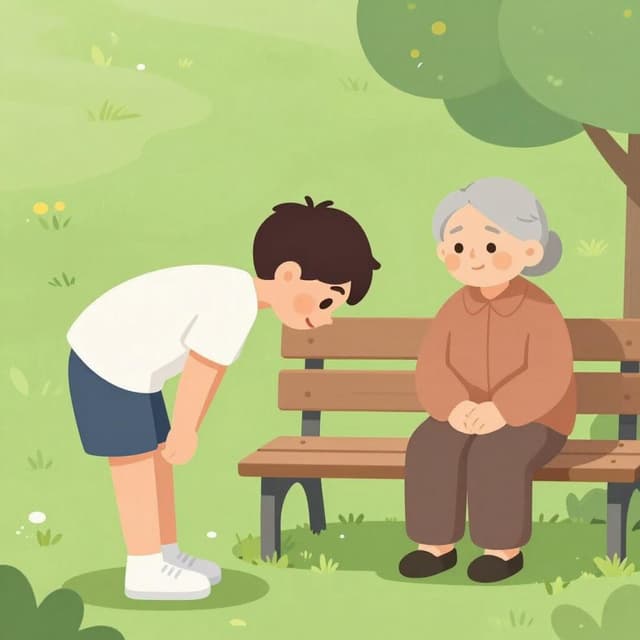
Use the preterite to talk about specific, completed actions of honoring in the past. For example, honoring someone at an event, or fulfilling a promise at a definite time.
Uwagi dotyczące honrar w czasie Czas przeszły prosty
Honrar is fully regular in the preterite tense. All the endings are standard for -ar verbs.
Przykładowe zdania
Ayer honré la memoria de mi abuelo.
Yesterday I honored my grandfather's memory.
yo
¿Honraste el acuerdo?
Did you honor the agreement?
tú
Ella honró su compromiso.
She honored her commitment.
él/ella/usted
Nosotros honramos la tradición familiar.
We honored the family tradition.
nosotros
Ellos honraron al ganador.
They honored the winner.
ellos/ellas/ustedes
Częste błędy
Błąd: Using the imperfect 'honraba' instead of the preterite 'honró' for a specific act of honoring.
Poprawnie: For a single, completed act, use the preterite: 'Ella honró su compromiso'. Use the imperfect ('Ella honraba su compromiso') if it was a repeated or ongoing action in the past.
Dlaczego: The preterite marks completed actions, while the imperfect describes ongoing or habitual actions.
Błąd: Forgetting the accent on the 'yo' form: 'honre' instead of 'honré'.
Poprawnie: The 'yo' form of the preterite for -ar verbs has a written accent: honré.
Dlaczego: The accent marks the stress on the final syllable and distinguishes it from other forms like the present subjunctive.
Opanuj hiszpańskie czasowniki w kontekście
Zapamiętywanie tabel to dopiero początek. Przeczytaj ponad 200 ilustrowanych i udźwiękowionych hiszpańskich historii, aby zobaczyć czasowniki takie jak 'honrar' używane naturalnie — w czasach, których się uczysz.
Powiązane czasy
Czas teraźniejszy
yo: honro
The present tense (honro, honras, honra, etc.) describes current actions, habits, and general truths about honoring.
Czas przeszły niedokonany
yo: honraba
The imperfect of 'honrar' (honraba, honrabas, etc.) describes ongoing or habitual past actions of honoring.
Czas przyszły
yo: honraré
The future tense (honraré, honrarás, etc.) expresses what will happen or probability.
Tryb warunkowy
yo: honraría
The conditional (honraría, honrarías, etc.) expresses 'would' actions, politeness, or future-in-the-past.
Tryb Subj. teraźniejszy
yo: honre
The present subjunctive (honre, honres, etc.) follows expressions of desire, doubt, emotion, or uncertainty.
Tryb Subj. przeszły niedokonany
yo: honrara
The imperfect subjunctive (honrara/honrase) is used for past hypotheticals, wishes, or polite requests in the past.
Tryb rozkazujący (twierdzący)
yo: honra
Use 'honra' (tú), 'honre' (usted), 'honremos' (nosotros), 'honrad' (vosotros), 'honren' (ustedes) for direct commands.
Tryb rozkazujący (przeczący)
yo: no honres
Negative commands use 'no' + present subjunctive: 'no honres' (tú), 'no honre' (usted), 'no honremos' (nosotros), 'no honréis' (vosotros), 'no honren' (ustedes).