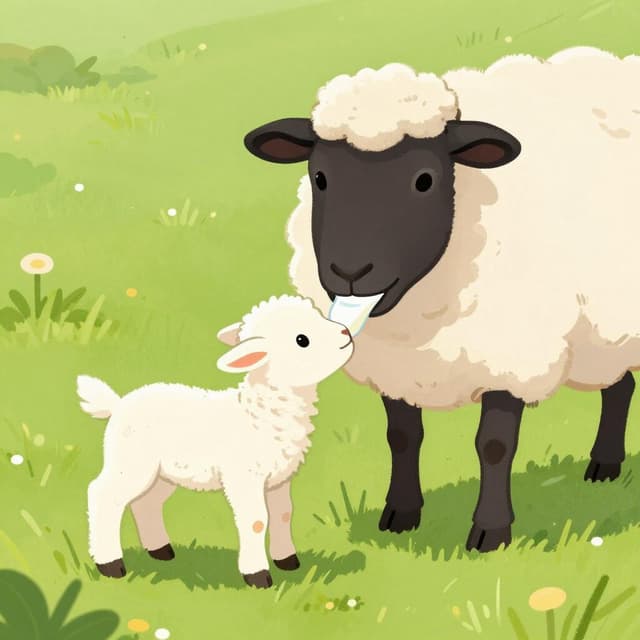
Koniugacja mamar Czas przeszły prosty
mamar — to suckle
The preterite of 'mamar' (mamé, mamaste, mamó, mamamos, mamasteis, mamaron) describes completed actions of suckling.
Formy mamar Czas przeszły prosty
Kiedy używać Czas przeszły prosty
Use the preterite of 'mamar' for a specific, completed instance of suckling. For example, 'El bebé mamó por veinte minutos' (The baby suckled for twenty minutes) indicates a finished action.
Uwagi dotyczące mamar w czasie Czas przeszły prosty
'Mamar' is a regular -ar verb, so all its preterite conjugations are regular.
Przykładowe zdania
El bebé mamó leche materna toda la noche.
The baby suckled breast milk all night.
él/ella/usted
Ayer mamaste muy bien.
Yesterday you suckled very well.
tú
Mamamos juntos en la cena.
We suckled together at dinner.
nosotros
Ellos mamaron hasta que se durmieron.
They suckled until they fell asleep.
ellos/ellas/ustedes
Częste błędy
Błąd: Using the imperfect instead of the preterite for a single, finished event.
Poprawnie: For a specific completed action like 'he suckled once', use the preterite 'mamó'. The imperfect 'mamaba' would imply it was ongoing or habitual.
Dlaczego: The preterite marks completed past actions, while the imperfect describes ongoing or habitual past actions.
Opanuj hiszpańskie czasowniki w kontekście
Zapamiętywanie tabel to dopiero początek. Przeczytaj ponad 200 ilustrowanych i udźwiękowionych hiszpańskich historii, aby zobaczyć czasowniki takie jak 'mamar' używane naturalnie — w czasach, których się uczysz.
Powiązane czasy
Czas teraźniejszy
yo: mamo
The present tense of 'mamar' (mamo, mamas, mama, mamamos, mamáis, maman) describes habitual or ongoing suckling.
Czas przeszły niedokonany
yo: mamaba
The imperfect of 'mamar' (mamaba, mamabas, mamaba, mamábamos, mamabais, mamaban) describes ongoing or habitual suckling in the past.
Czas przyszły
yo: mamaré
The future tense of 'mamar' (mamaré, mamarás, mamará, etc.) indicates actions that will happen.
Tryb warunkowy
yo: mamaría
The conditional of 'mamar' (mamaría, mamarías, mamaría, etc.) expresses hypothetical actions ('would suckle') or polite requests.
Tryb Subj. teraźniejszy
yo: mame
The present subjunctive of 'mamar' (e.g., 'mame', 'mames', 'mamen') expresses wishes, doubts, or emotions.
Tryb Subj. przeszły niedokonany
yo: mamara
The imperfect subjunctive of 'mamar' (e.g., 'mamara', 'mamaras') is used for hypothetical past situations or wishes.
Tryb rozkazujący (twierdzący)
yo: mama
Use imperative forms like 'mama' (tú) and 'mamen' (ustedes) for direct commands with 'mamar'.
Tryb rozkazujący (przeczący)
yo: no mames
Negative commands for 'mamar' use 'no' plus present subjunctive forms, like 'no mames' (tú) or 'no mamen' (ustedes).